In recent years, the importance of educational toys in fostering cognitive development has gained significant attention. Research from the American Academy of Pediatrics indicates that playtime is essential for children’s brain growth. It is during these formative years that a child’s brain forms critical connections that aid in learning and problem-solving. This begs the question: how educational toys support cognitive development?
Experts emphasize the role of hands-on learning. Toys that encourage creativity and critical thinking often lead to enhanced cognitive skills. For example, a study by the National Association for the Education of Young Children found that interactive play can improve spatial awareness and linguistic abilities. Furthermore, toys that promote collaborative play foster social skills while ensuring cognitive engagement.
However, the market offers a plethora of options, making it challenging for parents to select the best options. It's essential to consider the specific skills that different toys enhance. Some toys may promise developmental benefits but do not deliver. Thus, informed choices are crucial for maximizing a child's cognitive growth through play.
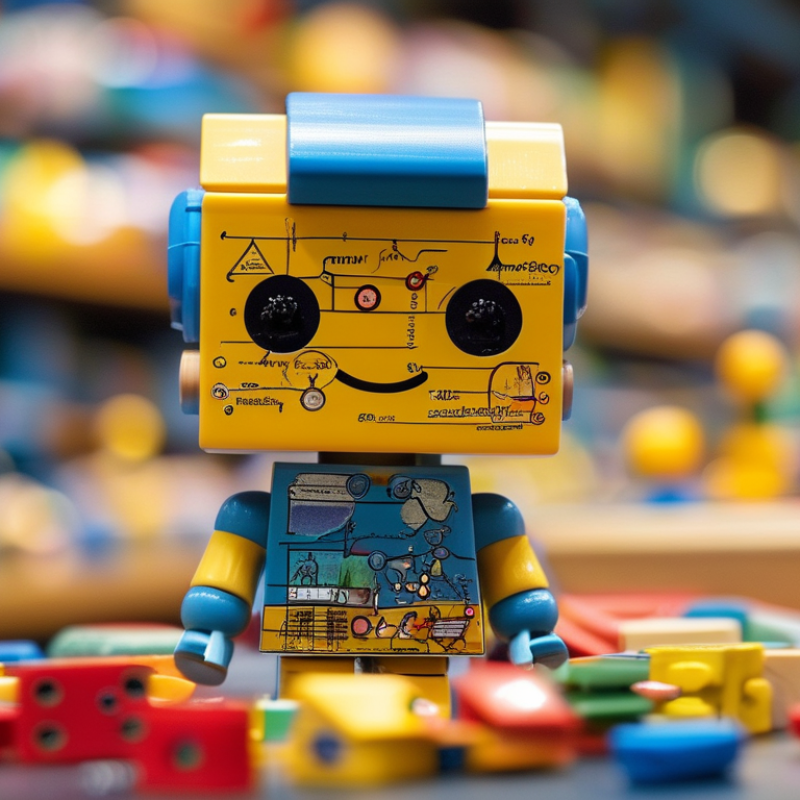
Educational toys play a crucial role in supporting cognitive development. They stimulate a child’s brain, enhance problem-solving skills, and promote creativity. According to the American Academy of Pediatrics, engaging playtime activities can significantly impact a child’s cognitive growth during the early years.
Types of educational toys include puzzles, building blocks, and science kits. Puzzles help improve critical thinking and spatial awareness. They challenge children to recognize patterns and shapes. Building blocks encourage creativity and fine motor skills. A study published in the Journal of Applied Developmental Psychology found that children who engage with block play show improved math skills. Science kits ignite curiosity about the natural world, fostering scientific thinking in a hands-on way.
However, not all toys yield the same benefits. Some may be overstimulating, leading to frustration rather than learning. It's essential to choose toys that match a child's developmental stage. Parents should consider what skills they wish to nurture. This empowers them to select the best educational toys that truly support cognitive development.
Educational toys play a crucial role in cognitive development. They enhance problem-solving skills and critical thinking from a young age. According to a study by the American Academy of Pediatrics, children who engage with educational toys score higher in creativity and cognitive tasks. These toys stimulate curiosity, allowing children to learn through play. They help develop fine motor skills and encourage social interaction.
Research reveals that 85% of a child's core brain structure develops by age three. During this time, hands-on experiences are vital. Engaging with toys that promote exploration nurtures important cognitive functions. Apps and digital platforms can offer interactive learning, but traditional toys remain essential for social skill development. Physical play fosters teamwork and sharing, foundational for later life.
Tips: Choose toys that align with your child's interests. Observe how they engage with toys. This can guide future purchases. Encourage open-ended play with items that inspire creativity and imagination. Allowing children to lead their learning fosters independence and confidence.
When selecting the best educational toys, several criteria play a crucial role in supporting cognitive development. The first is age-appropriateness. Toys should match a child's developmental stage. They must challenge yet not overwhelm. This balance fosters curiosity and promotes exploration. For instance, puzzles can improve problem-solving skills in toddlers while complex building sets can engage older children.
Another vital aspect is the toy's potential for open-ended play. Toys that allow for creativity encourage critical thinking. They help children generate ideas and make choices. For example, a set of blocks can lead to countless designs and constructions. This flexibility enhances spatial awareness and planning skills. Additionally, the materials used in toys matter. Non-toxic, durable materials are essential for long-term use. Parents often overlook this detail.
Finally, educational toys should inspire interaction. Collaborative play among peers nurtures social skills. Children learn negotiation and communication. However, not all toys achieve this. Some limit engagement, which may lead to frustration. This reflection is key for parents. Observing how a child interacts with a toy can guide better choices in the future.
As parents and educators prioritize cognitive development, the quest for effective educational toys intensifies. Research from the American Academy of Pediatrics indicates that playtime is essential for brain development. Over 85% of brain growth occurs in the first three years of life. Thus, selecting toys that foster this growth is crucial.
In 2026, the best educational toys emphasize problem-solving and creativity. For instance, construction sets that enhance spatial skills can significantly impact a child's cognitive abilities. A report from the National Association for the Education of Young Children highlights that children who engage in creative play show better critical thinking skills. Toys that offer open-ended play foster imagination and innovation, which are key in today's world.
However, not all toys are created equal. Some may overly stimulate without promoting real learning. Experts advise choosing options that encourage hands-on experiences over passive interaction. Balance is essential; too many distractions can impede focus. Some toys fall short in providing genuine educational value. Careful selection ensures that playtime is not only fun but also intellectually enriching.
| Toy Name | Age Group | Category | Cognitive Skills Supported | Price ($) |
|---|---|---|---|---|
| Building Blocks Set | 3-6 years | Construction | Spatial Awareness, Problem Solving | 29.99 |
| Puzzle Game | 4-8 years | Puzzle | Critical Thinking, Logic | 24.99 |
| Science Experiment Kit | 7-12 years | STEM | Inquiry, Experimentation | 45.00 |
| Art Supplies Set | 5-10 years | Creative | Creativity, Fine Motor Skills | 35.99 |
| Coding Robot | 6-12 years | Technology | Programming, Logic | 89.99 |
Engaging children with educational toys can significantly enhance their cognitive development. Research shows that active play promotes brain growth, and educational toys play a crucial role in this process. According to the American Academy of Pediatrics, play helps develop critical thinking and problem-solving skills. Selecting toys that encourage exploration and creativity is vital.
Hands-on activities boost learning. For instance, building blocks improve spatial reasoning. Puzzles enhance memory and attention span. The International Society for Technology in Education states that a variety of learning experiences leads to better engagement. Yet, it’s essential to balance screen time with physical play. Too much reliance on electronic gadgets can hinder social skills.
Parents can encourage interaction by participating in playtime. Asking open-ended questions stimulates curiosity and discussion. Creating a structured yet flexible play environment allows children to explore freely. Reflecting on their interests can guide the selection of educational toys. It is okay to change toys if they no longer spark joy or curiosity. Every child is unique, so meaningful engagement may require experimentation and adjustment.
: Educational toys are designed to support cognitive development and enhance learning skills. They engage children in play that boosts creativity.
Puzzles improve critical thinking and spatial awareness. They challenge kids to recognize patterns and shapes effectively.
Building blocks encourage creativity and develop fine motor skills. Kids engaging with blocks often show improved math skills in studies.
Science kits spark curiosity about the natural world. They foster hands-on scientific thinking that can ignite a love for exploration.
Not all toys are beneficial. Some can overstimulate a child, causing frustration instead of supporting learning.
Parents should consider their child's developmental stage and interests. This empowers better choices that support cognitive growth.
About 85% of brain development occurs by age three. Hands-on experiences during this time are essential for nurturing cognitive functions.
While apps offer interactive learning, traditional toys are crucial for social skills. Physical play fosters teamwork and sharing among children.
Allowing open-ended play with inspiring items can nurture creativity. Children leading their learning process fosters independence and confidence.
Some educational toys may not engage a child's interest, leading to underwhelming experiences. Reflecting on engagement can guide better future purchases.
The article "2026 Best Educational Toys That Support Cognitive Development" explores the diverse types of educational toys designed to enhance children's learning experiences. It emphasizes how educational toys support cognitive development by promoting problem-solving skills, creativity, and critical thinking. Through interactive play, children can engage in activities that stimulate their minds and encourage exploration.
In addition to outlining the numerous benefits these toys offer, the article also presents essential criteria for selecting the best educational toys for children. It highlights the importance of considering age appropriateness, safety, and developmental goals. The recommendations for 2026 include a variety of engaging toys that align with these criteria. Finally, the article provides tips for parents on how to effectively engage their children with these toys, ensuring that playtime is both enjoyable and enriching.
