Engineered for therapeutic centers, educational institutions, and global B2B procurement networks.
Mapping the rise of inclusive pedagogy, sensory-friendly standards, and the industrial supply chain.
The global market for special needs learning toys has undergone a profound paradigm shift over the past decade. Historically categorized as a niche segment within the toy industry, products designed specifically for neurodivergent children—including those with Autism Spectrum Disorder (ASD), Attention Deficit Hyperactivity Disorder (ADHD), Sensory Processing Disorders (SPD), and other cognitive or physical developmental challenges—are now central to mainstream educational and therapeutic supply chains. Today, global commercial interest is driven by a rising awareness of early intervention benefits, a massive shift toward inclusive education models (such as those outlined by UNESCO), and substantial insurance funding allocations for pediatric therapies in developed nations.
Statistically, the global educational toy sector is moving towards dedicated therapeutic integration. As school systems transition from generalized classrooms to accommodating environments, the demand for specialized tools—ranging from tactile sensory mats to social-emotional learning kits—has surged. Professional buyers, educational institutions, and healthcare providers now prioritize materials that are validated by pediatric occupational therapists (OTs) and meet rigid safety standards, creating a sophisticated B2B ecosystem. Manufacturers must possess not only basic toy fabrication capabilities but also deep expertise in child psychology, neurodevelopmental science, and complex chemical safety guidelines.
In terms of production distribution, the supply chain relies heavily on highly capable manufacturing clusters in East Asia, with China acting as the undisputed epicenter. Modern facilities are moving away from simple plastic molding to incorporate sophisticated sensor technologies, advanced polymer blends (such as hypoallergenic, food-grade silicone), and eco-friendly certified wood resources. The intersection of artificial intelligence, high-grade biocompatible materials, and therapeutic design shapes the competitive landscape, making selection of the right manufacturing partner a vital strategic decision for worldwide brands.
Discover how our specialized manufacturing capabilities convert advanced pedagogical research into high-quality physical learning products.
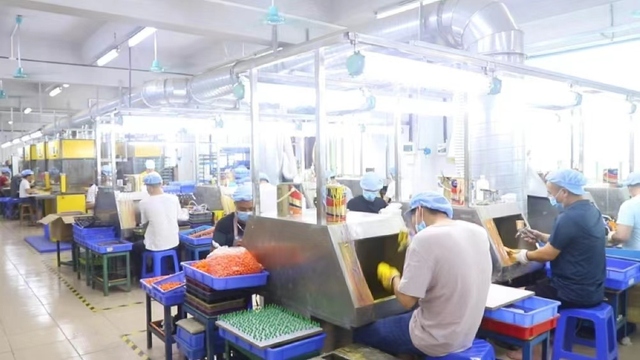
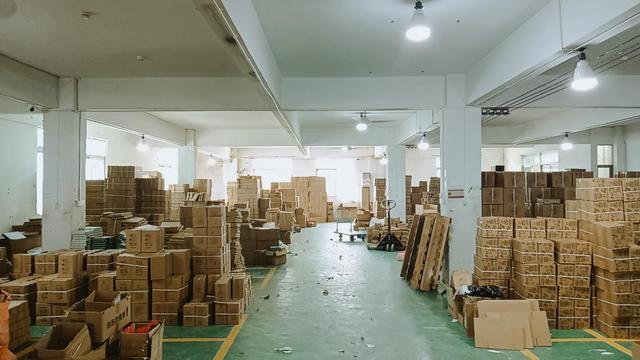
Established in 2013, Dongguan Toym Toy Co., Ltd. is a professional manufacturer specializing in educational toys and learning solutions designed to support children's cognitive, creative, and developmental growth. Located in Dongguan, Guangdong Province—the undisputed hub of China's toy manufacturing and global export ecosystem—we operate a modern production facility spanning 16,000 square meters and employ a dedicated workforce of more than 200 specialists.
Our company centers on the design and production of STEM toys, Montessori learning products, early childhood development toys, educational playsets, sensory learning materials, classroom resources, and interactive learning solutions. Every product is developed from the ground up to encourage hands-on exploration, fine-motor skill coordination, problem-solving capabilities, and age-appropriate physical and cognitive progression.
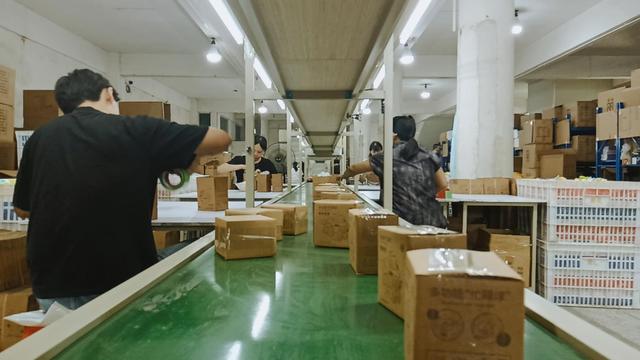
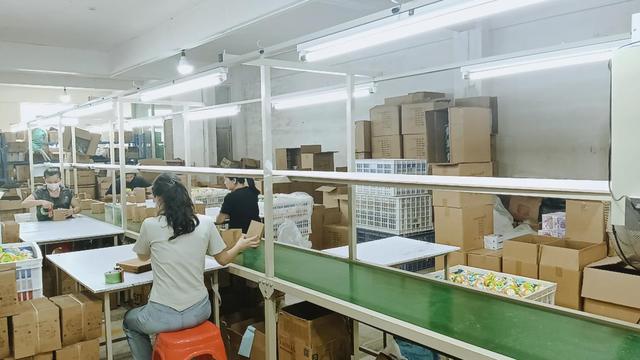
Toym Toy seamlessly integrates modern manufacturing technologies, rigorous quality management structures, and advanced educational design frameworks. From conceptual draft and precise material selection to high-tonnage molding, automated assembly, and stringent final inspection, every product undergoes testing to ensure absolute safety, child-friendly durability, and structural consistency.
"To meet diverse and evolving international demand, Toym Toy offers flexible OEM and ODM services, which include custom developmental design, private-label manufacturing, educational curriculum integration, customized packaging, and international branding solutions."
Today, Dongguan Toym Toy Co., Ltd. exports its specialized products to major international markets, including North America, Europe, Southeast Asia, Oceania, and the Middle East. Through continuous innovation, reliable manufacturing protocols, and customer-first service pipelines, we are proud to provide educational toy solutions that support meaningful learning experiences for children worldwide.
Why Dongguan clusters provide unmatched manufacturing capabilities for special needs toys.
From medical-grade silicone suppliers to non-phthalate plasticizer compounding plants, our location in Dongguan offers immediate, low-latency access to safe and specialized materials.
Our in-house design engineering department converts custom clinical concepts into high-precision, multi-cavity injection molds in less than 25 days, reducing time-to-market dramatically.
Our production lines integrate internal safety testing equipment (XRF chemical screening, physical tension testers, drop-test platforms) to meet global ASTM F963 and EN71 parameters.
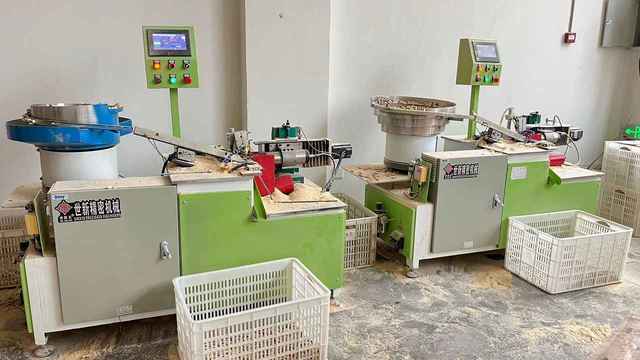
The manufacturing complexity of special needs learning toys lies in the diversity of tactile surfaces, strict mechanical durability requirements, and chemical pureness constraints. Autistic children, for instance, may engage in intensive sensory exploratory behavior, including mouthing or aggressive manipulation. This requires materials with high tensile strength, tear resistance, and absolute non-toxicity. Dongguan's advanced factories leverage highly optimized automation processes, ultrasonic plastic welding, and computerized multi-color liquid silicone rubber (LSR) injection machines. These technologies ensure that our sensory toys remain structurally intact and entirely safe under extreme and long-term use cases.
Bridging the gap between active play and structured behavioral therapies across diverse real-world environments.
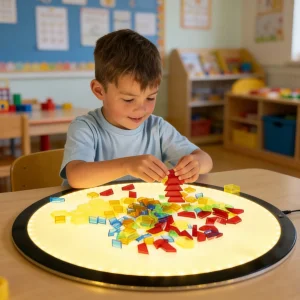
In professional occupational therapy settings, our sensory mats and textured balance elements are deployed to address vestibular and proprioceptive input deficits. Pediatric therapists utilize these custom-designed tools to assist children in motor planning, posture calibration, and sensory modulation techniques.
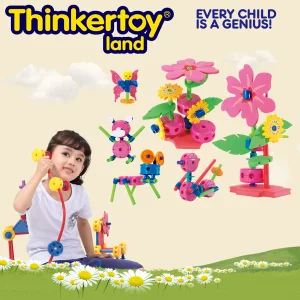
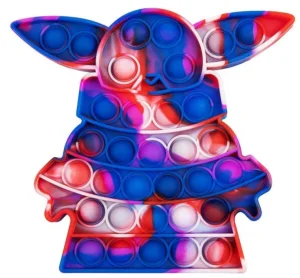
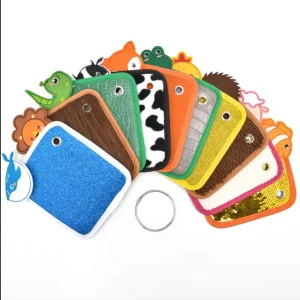
Special education resource rooms require quiet sensory intervention devices. Silent push-pop fidgets, tactile sequin panels, and cognitive flower blocks are leveraged as "regulation anchors," allowing children experiencing sensory overload to self-soothe without causing disruption to peers.
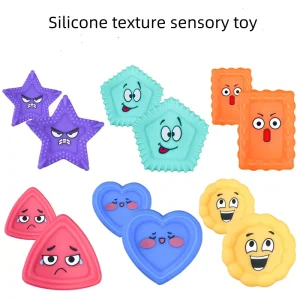
For families following individual education plans (IEPs), our social-emotional learning kits enable parents to conduct therapeutic play at home. By utilizing emotion-themed silicone toys, children learn to recognize, label, and express complex feelings in a non-verbal format.
Analyzing the technological convergence, sustainable sourcing, and cognitive engineering standards of tomorrow.
Moving forward, the special needs learning toys industry is evolving rapidly across three major axes:
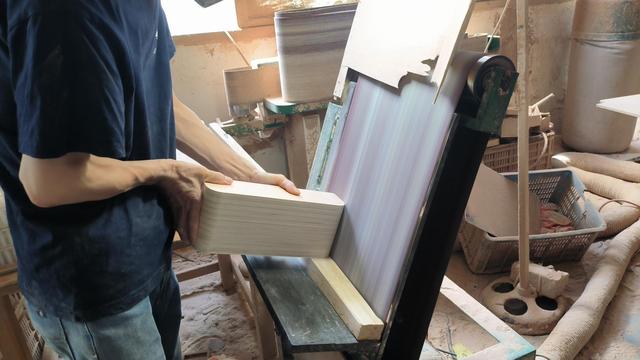
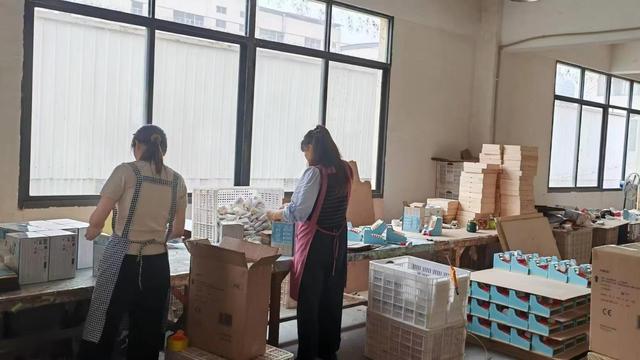
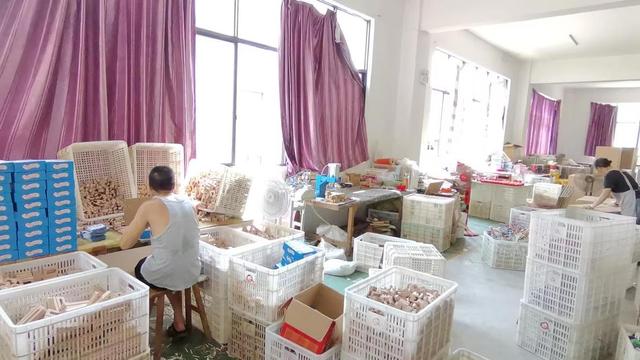
Tour our production facility: 16,000 square meters of high-tech manufacturing, compliance testing, and professional assembly lines.
Global brands and distributors sourcing specialized learning toys must demand rigorous manufacturing parameters. Product failure, material toxins, or sharp edges represent critical legal liabilities. At Toym Toy, we mitigate these risks through a structured quality management system, providing fully transparent production timelines, absolute traceabilities of raw materials (such as premium FDA-approved silicones, natural water-based pigments, and robust ABS plastics), and complete safety certifications.
Technical and regulatory answers for educational toy procurement officers, distributors, and designers.
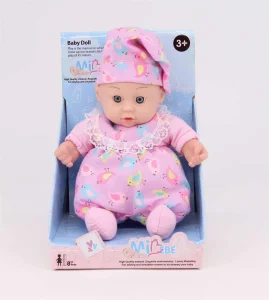
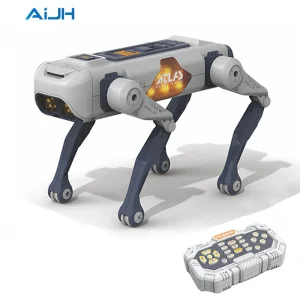
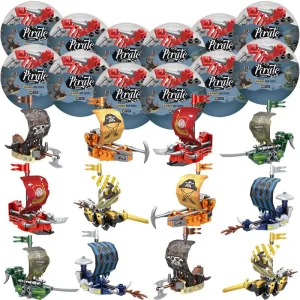
Explore our specialized, high-durability toys designed for early development and cognitive reinforcement.
 Toym Toy