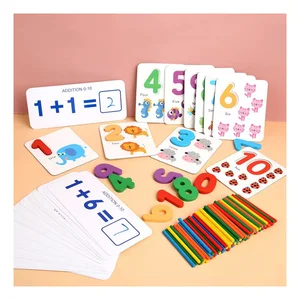
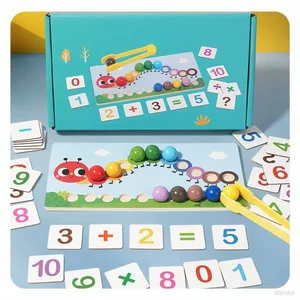
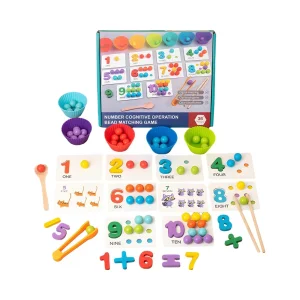
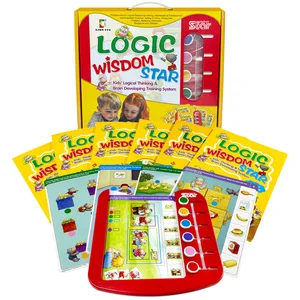
Explore our top-tier, compliant mathematical tools engineered to bridge the gap between concrete discovery and abstract reasoning.
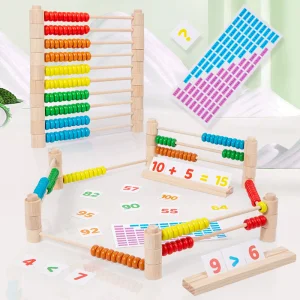
In the contemporary educational landscapes of North America, Europe, and the Asia-Pacific region, early mathematics education has experienced a profound shift. Traditional rote memorization methodologies are systematically being replaced by tactile, inquiry-based pedagogical frameworks. According to cognitive development research grounded in the Concrete-Pictorial-Abstract (CPA) model (originally conceptualized by Jerome Bruner), children require physical manipulatives to build spatial-temporal reasoning before navigating symbolic numerical representations.
As a global B2B partner, Dongguan Toym Toy Co., Ltd. stands at the forefront of this industrial transformation. Established in 2013 in Dongguan, Guangdong Province, our mission is to design, engineer, and manufacture high-performance STEM and Montessori mathematics learning toys. Our operations support educational distributors, brand owners, institutional suppliers, and e-commerce leaders worldwide by providing structurally sound, pedagogy-aligned, and strictly compliant manufacturing resources.
"Physical interaction with structured manipulatives modifies the neural pathways associated with mathematical calculations, changing arithmetic anxiety into intuitive spatial-geometric competence."
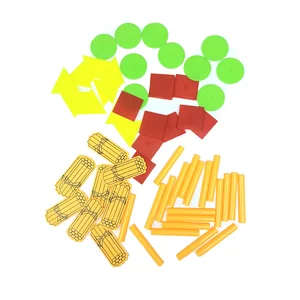
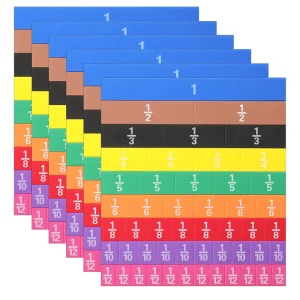
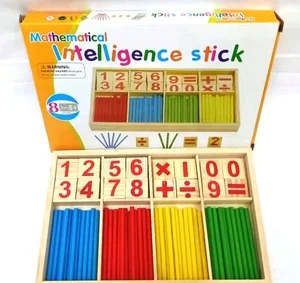
By integrating concrete materials such as wooden counting sticks, multi-colored counters, and fractional matrices, students construct cognitive networks that sustain long-term academic growth in STEM disciplines.
From sovereign educational procurement bids to scale retail packaging, we solve critical supply-chain and pedagogical challenges.
We offer highly standardized, shelf-ready educational products featuring durable packaging and high stock availability. Our logistics networks minimize transit margins, ensuring reliable delivery schedules across North America and Europe.
Our products are engineered to withstand intensive use in group settings. Using scratch-resistant timbers and non-fading polymers, we customize class-pack sizing to match typical teacher-to-student ratios.
We support your brand identity with custom packaging, color adaptations, and proprietary educational guides. Our designers translate developmental research into exclusive product profiles for your target market.
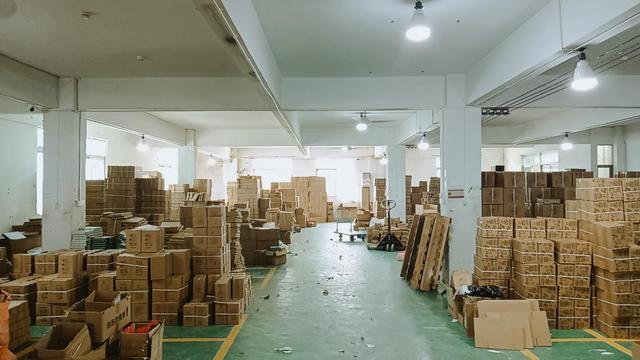
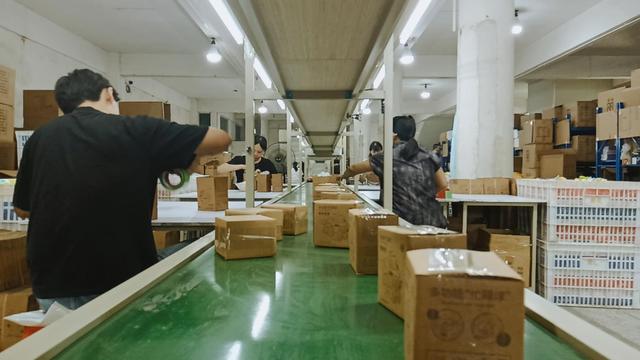
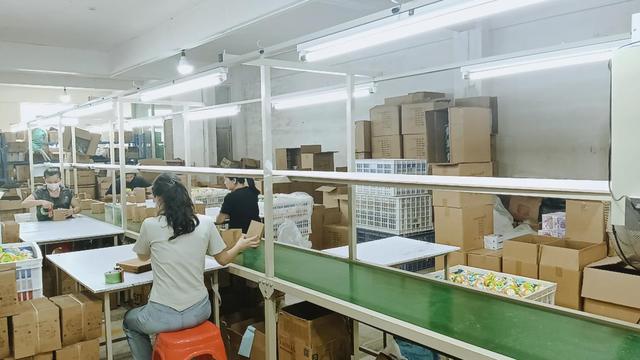
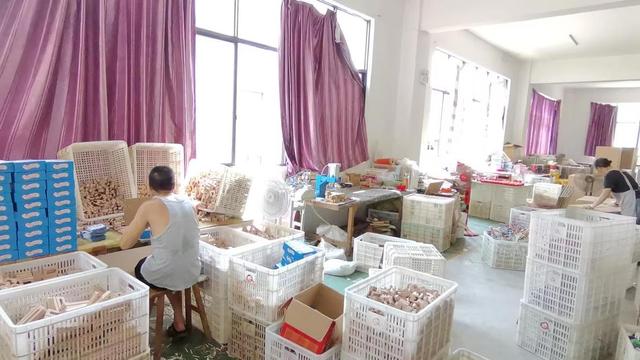
Our 16,000 square meter manufacturing campus in Dongguan integrates modern design and production infrastructure under one roof. Operating with over 200 skilled specialists, the facility houses specialized workshops for high-precision injection molding, woodworking, digital printing, and dust-free assembly and packaging lines.
By controlling all stages from raw material sourcing (including FSC-certified timber and food-grade silicones) to precision molding, we manage quality at every step. This integrated model enables us to offer competitive lead times, stable unit costs, and strict structural quality control across both large and small production runs.
Our Quality Management System (QMS) utilizes modern optical sorting, pull-testers, and drop-testing rigs. This ensures every product conforms to both raw material safety standards and physical and mechanical safety requirements for toys used in educational settings.
Our plant capacity supports scaling volume requirements while maintaining consistent quality standards:
A look inside our production areas, showcasing our processing technologies, assembly lines, and warehouse operations.
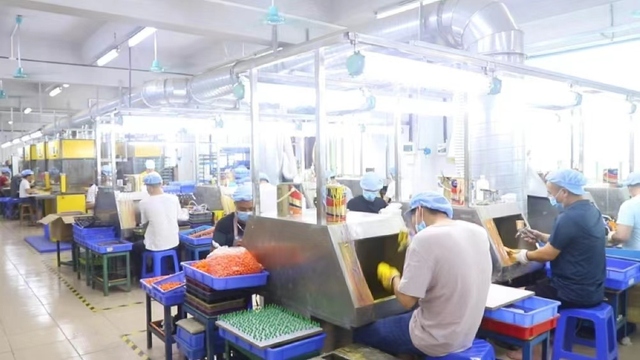
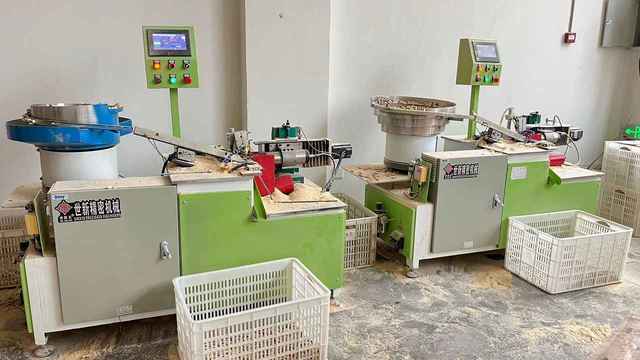
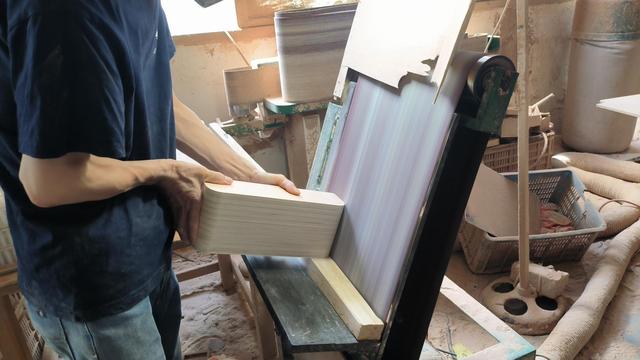
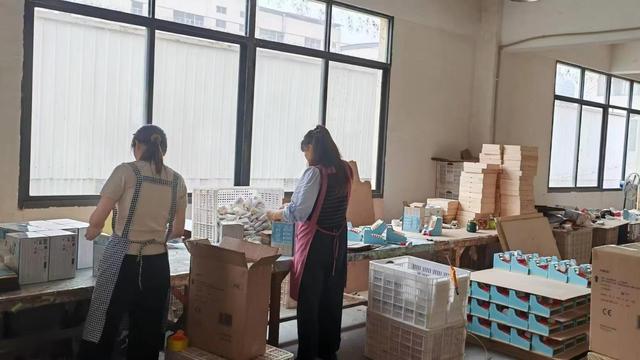
We design and manufacture all products to meet the safety, non-toxicity, and quality standards required by major global markets.
Meets United States mechanical, physical, flammability, and heavy metal limits, ensuring full compliance for American retail markets.
Conforms to European Union regulations, covering mechanical safety, physical parameters, flammability testing, and chemical migration limits.
Provides the required CE Declaration of Conformity and Children's Product Certificates (CPC) for smooth import clearance and regulatory compliance.
Uses sustainably harvested wood under FSC-certified supply chains, alongside food-grade, LFGB-compliant silicones for safety.
Note on Material Sourcing: Our production processes exclude phthalates, bisphenols (BPA), and volatile organic compounds (VOCs). We use water-based, lead-free lacquers on all wooden components to maintain safety during long-term tactile use by children.
From conceptual engineering to final volume shipments, we provide a structured, transparent process for custom product development.
We transform physical sketches, pedagogical ideas, or CAD files into precise 3D rendering designs. We optimize layouts, load weights, and nesting tolerance dimensions before starting any physical tooling processes.
We construct custom steel injection molds for polymers and configure CNC routers for wooden designs. Prototype samples are produced and run through safety, toxicity, and mechanical wear tests prior to mass production.
We design primary storage boxes (such as wooden cases or recycled paper packages) alongside outer master cartons. We coordinate sea, air, and express freight delivery to major global distribution hubs.
How our research and development team integrates digital trends with traditional physical learning models.
Phasing in plant-based, biodegradable plastics for counting tokens and spatial blocks, reducing carbon footprints in our raw material supply chain.
Developing products that pair physical materials with companion mobile software, using smart devices to recognize tile layouts and guide students through math concepts.
Creating tactile learning materials designed for neurodiverse classrooms, offering specialized sensory features and adaptive learning aids.
Answers to key regulatory, chemical safety, and logistical questions for global buyers sourcing math learning toys.
In the United States, toys must comply with ASTM F963-17 regulations, including physical and mechanical testing, flammability, and heavy metals limits. The EU requires compliance with EN71 Parts 1 (Mechanical), 2 (Flammability), and 3 (Migration of Elements). Both regions require lead, phthalate, and BPA testing. Dongguan Toym Toy handles all compliance testing and documentation with accredited third-party labs (such as SGS, TUV, and Intertek) before shipping.
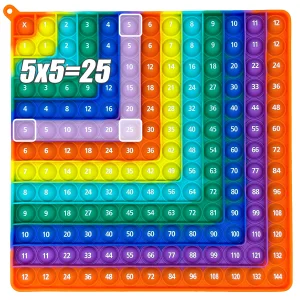
Food-grade silicone (FDA and LFGB compliant) is free from plasticizers, BPA, and VOCs, making it safe for younger children who may put toys in their mouths. Tactile products like our silicone multiplication pop boards offer a flexible, durable, and easy-to-clean alternative to traditional rigid plastics, making them highly suited for preschool environments.
We source our wood through FSC-certified supply chains, choosing sustainable timbers like Beechwood, Rubberwood, and birch plywood. This ensures our wood comes from responsibly managed forests. Our timber undergoes kiln drying to maintain structural stability, and we coat the finished pieces in non-toxic, water-based paints that resist cracking and chipping.
Minimum Order Quantities (MOQs) depend on the materials and complexity of the project. For wooden toys requiring standard materials, MOQs generally range from 1,000 to 2,000 units. For custom plastic or silicone items that require unique injection molds, the MOQ is typically set at 3,000 units to help offset the cost of tool fabrication. We also offer lower MOQ runs for established brands testing new markets.
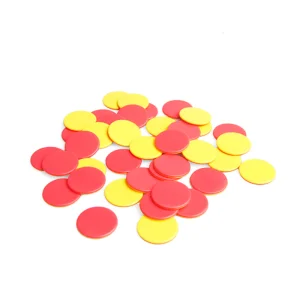
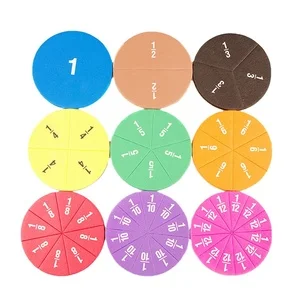
We design our products to visually represent abstract numbers. For example, our 2-color counters, sorting arrays, and segmented fraction circles help children visualize numerical relationships before moving to written equations. This tactile approach helps students build a stronger conceptual understanding of math.
Standard lead times are typically 35 to 45 days after deposit confirmation and sample approval. For complex custom orders requiring new molds, the initial mold-making phase takes an additional 25 to 30 days. Our facility utilizes multiple production lines to ensure reliable delivery schedules, even during peak seasonal ordering periods.
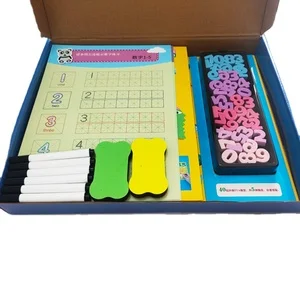
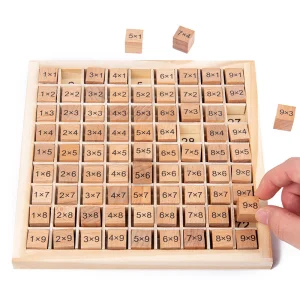
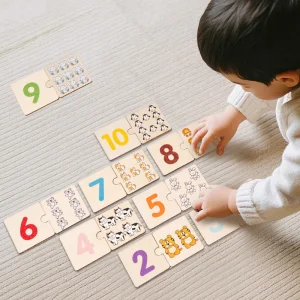
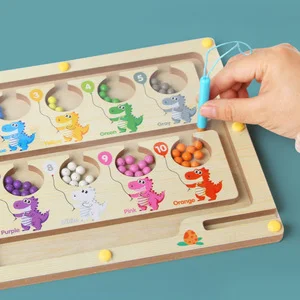
Fraction circles, arithmetic blocks, and magnetic boards designed for classroom instruction and early childhood development.
 Toym Toy