5 Best Tips to Choose Educational Toys for Children?

Time:2026-06-13 Author:Sophia
0%

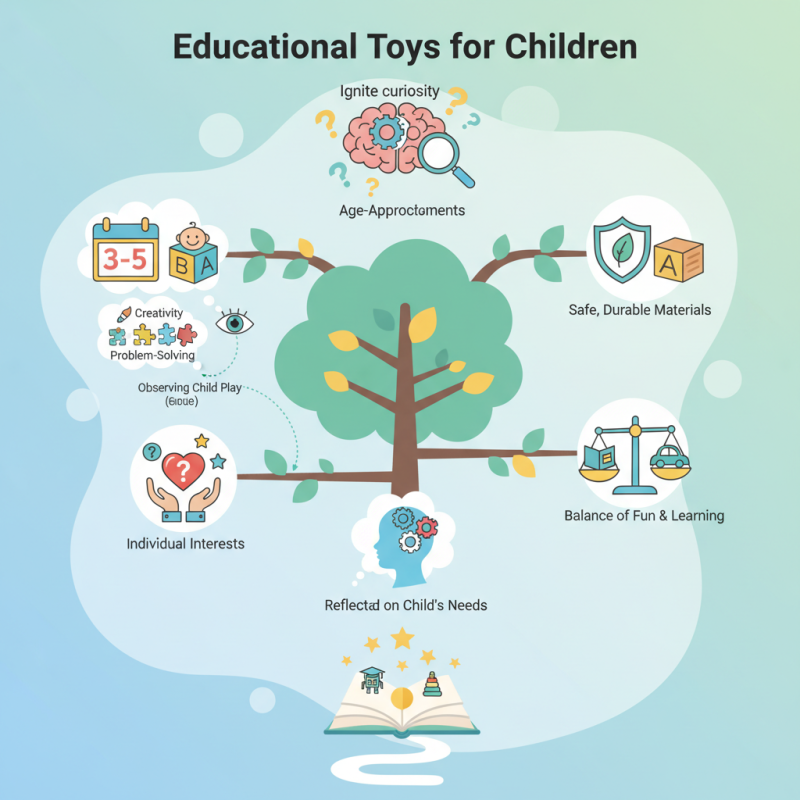
Choosing the right educational toys for children can be a challenging task. According to Dr. Emily Johnson, a renowned child development expert, “The right toys can ignite a child’s curiosity and foster learning.” Parents often wonder how to choose educational toys for children that are both fun and beneficial.

It’s essential to consider age-appropriateness and individual interests. Not every toy labeled 'educational' will suit your child. Look for toys that encourage creativity, critical thinking, and problem-solving. Observing your child during play can provide insights into what engages them the most. Remember, play should be enjoyable, but it can also be a learning opportunity.

Think about the materials used in the toys as well. Safe, durable materials can enhance the playing experience. However, some toys may look appealing but may not provide the educational value needed. Balance is key. Reflecting on your child’s needs will guide you in making wiser decisions regarding educational toys.
5 Best Tips to Choose Educational Toys for Children?

Understanding the Importance of Educational Toys for Child Development

Educational toys play a crucial role in child development. They not only entertain but also enhance various skills. When children engage with such toys, they learn through play. This process encourages creativity and critical thinking. For example, building blocks can spark imagination. They allow kids to create structures while developing spatial awareness.

Moreover, educational toys support social skills. Games that require teamwork teach cooperation and communication. Children learn to resolve conflicts through play. This is vital for their emotional growth. However, choosing the right toys can be challenging. Some toys may seem educational but lack depth. It's essential to consider the developmental stage of your child. Not every toy suits every age.

Involvement from parents also matters. Engaging with your child during playtime can deepen the learning experience. Reflect on how toys impact behavior and learning. It’s a good idea to ask questions about what they’re doing. This helps understand their thought processes. Selecting the right educational toys is a balance of fun and learning. Always keep an open mind and be ready to adapt choices based on your child's reactions.

Identifying Age-Appropriate Toys for Effective Learning Experiences

Choosing age-appropriate educational toys is crucial for effective learning experiences. Research indicates that children learn best when their toys align with their developmental stages. According to the American Academy of Pediatrics, toys should match a child's age to promote cognitive and physical skills effectively.

For infants, toys that stimulate the senses are beneficial. Bright colors, different textures, and sounds help them explore the world. By the time children reach the toddler stage, they benefit from toys fostering problem-solving and creativity. Shapes and simple puzzles can enhance their developmental growth substantially.

As children approach preschool age, interactive toys become essential. These toys encourage social skills and cooperation during play. Incorporating toys that require teamwork or storytelling can be incredibly advantageous. It’s essential to periodically evaluate whether a toy remains suitable as a child grows. Some toys may lose their educational value, leading to disengagement. Aim for toys that challenge and inspire. Balancing between fun and learning can lead to more enriching experiences.

Evaluating Safety Standards and Materials in Educational Toys

When selecting educational toys for children, safety standards should be a primary concern. Research indicates that nearly 30% of toy-related injuries happen due to hazardous materials or design flaws. The American Society for Testing and Materials (ASTM) sets guidelines to ensure toys are safe for children. It’s crucial to look for labels indicating compliance with these standards.

Materials play a vital role in toy safety. Toys made from non-toxic, BPA-free plastics or sustainably sourced wood are preferable. Recent studies have shown that children are at a higher risk of exposure to harmful substances through toys. Frequent news reports highlight recalls due to toxic components. Avoid toys with small parts for younger children to minimize choking hazards.

Tip: Always check the age recommendations on toy packaging. This is essential for safety and learning effectiveness. Consider the child's interests. Look for toys that encourage creativity and critical thinking. Engaging and safe toys can significantly enhance a child’s development. However, not all educational toys adhere strictly to safety guidelines, so consumer vigilance is necessary.

Safety Standards and Material Evaluation in Educational Toys

This chart represents the evaluation of safety standards and materials in educational toys based on survey results from parents. The metrics include "Non-Toxic Materials", "Durability", "Age Appropriateness", "Safety Certifications", and "Design Clarity".

Exploring Different Types of Educational Toys and Their Benefits

Choosing the right educational toys for children can be overwhelming. There are countless options available, each claiming to boost learning and development. Understanding the types of educational toys can simplify this process.

Active toys encourage physical movement. These toys help develop motor skills and coordination. For example, climbing frames and tricycles promote strength and balance. They also encourage outdoor play, which is crucial for overall health. However, parents should consider safety features and age appropriateness.

Creative toys inspire imagination and problem-solving. Building sets and art supplies allow children to express themselves. They cultivate critical thinking and fine motor skills. Observing how your child interacts with these toys can reveal their interests. This reflection helps tailor future purchases.

Lastly, cognitive toys challenge children’s mental abilities. Puzzles and strategy games enhance reasoning skills and patience. Engaging with these toys can be frustrating at times, but overcoming challenges is a valuable lesson. Look for toys that grow with your child, adapting to their changing skill levels.

5 Best Tips to Choose Educational Toys for Children

Toy Type Age Group Key Benefits Educational Focus
Building Blocks 2-5 Years Enhances creativity and fine motor skills Spatial Awareness
Puzzles 3-6 Years Improves problem-solving skills and cognitive development Critical Thinking
Art Supplies 2-8 Years Fosters creativity and self-expression Creativity
Science Kits 6-12 Years Encourages curiosity and scientific inquiry STEM Education
Musical Instruments 3-10 Years Enhances auditory skills and coordination Music and Rhythm

Considering Play Value and Engagement in Toy Selection

Choosing the right educational toys for children hinges on play value and engagement. Engaging toys can significantly enhance cognitive and emotional development. According to a report by the American Academy of Pediatrics, play is crucial for lifelong learning. Toys that stimulate curiosity help children explore and understand the world around them.

Research indicates that children learn best through play. The National Association for the Education of Young Children highlights that 90% of brain development occurs before age five. Selecting toys that encourage creativity and problem-solving is essential. Look for toys that prompt children to ask questions, collaborate, and think critically. These experiences support their growth and prepare them for future challenges.

It's vital to reflect on the balance between fun and educational value. While some toys may seem appealing, they might not contribute to developmental goals. Consider how a toy engages your child. Does it require imagination? Can it adapt to their learning style? A thoughtful approach to toy selection can foster not only enjoyment but also meaningful learning experiences.

FAQS

: Why is it important to choose age-appropriate toys?

: Age-appropriate toys align with children's developmental stages. They promote cognitive and physical skills effectively.

What type of toys are best for infants?

Infants benefit from toys that stimulate their senses, like bright colors, various textures, and sounds.

How do toddlers benefit from specific toys?

Toys that encourage problem-solving and creativity, such as shapes and simple puzzles, aid their growth.

What should parents consider for preschool-aged children?

Interactive toys are essential. They encourage social skills and cooperation, enhancing play experiences.

How can parents ensure toys remain suitable over time?

Periodically evaluate toys for educational value. Some may lose engagement as children grow and evolve.

What enhances cognitive and emotional development in children?

Engaging toys significantly boost overall development. They stimulate curiosity and promote exploration of the world.

How does play contribute to learning?

Play is crucial for lifelong learning. It allows children to learn better through inquiry and collaboration.

What should parents watch for when selecting toys?

Balance fun and educational value. Some toys may appear appealing but may not support developmental goals.

How can toy selection affect learning experiences?

Thoughtful toy choices promote imagination and cater to children’s learning styles, enriching their playtime.

Is it necessary to adapt toy choices as children grow?

Yes, adapting toy choices ensures they remain challenging and inspiring, leading to fulfilling learning experiences.

Conclusion

When considering how to choose educational toys for children, it’s essential to understand their significance in child development. Educational toys foster cognitive skills, creativity, and social interaction, making them vital for a child's growth. Start by identifying age-appropriate toys that align with your child’s developmental stage for effective learning experiences.

Safety is also a crucial factor; evaluate the safety standards and materials used in the toys to ensure they are suitable for your child. Exploring different types of educational toys, such as puzzles, building sets, and interactive games, can help you assess their individual benefits. Finally, consider the play value and engagement these toys provide, as an engaging toy can significantly enhance a child's learning experience. By following these guidelines, you can make informed choices that will contribute to your child's development through play.

Sophia

Sophia

Sophia is a dedicated marketing professional with an exceptional depth of knowledge about her company's products and services. With a keen understanding of market trends and customer needs, she crafts insightful blog posts that not only inform but also engage readers, enriching the company’s online......