In the dynamic world of educational toys, the question of "what age are educational toys suitable for" often arises. Industry experts assert that these tools are pivotal in a child's development across various stages. According to a report by the Toy Association, roughly 90% of parents believe that educational toys enhance learning. This shapes their purchasing decisions significantly.
Dr. Emily Johnson, a child development specialist, emphasizes, “The right educational toy can unlock a child’s potential, encouraging creativity and critical thinking from a young age.” This highlights the need for age-appropriate selections. For toddlers, toys that promote sensory exploration are essential. As children grow, toys that build problem-solving skills become paramount. The right toy at the right age can make all the difference.
Yet, choosing the appropriate toy can be challenging for many parents. Each child's interests and developmental milestones vary widely. Reflecting on the gaps in available options can lead to better choices. Understanding the nuances of age suitability is crucial in this ever-evolving market, ensuring children receive the right tools to foster their growth and curiosity.
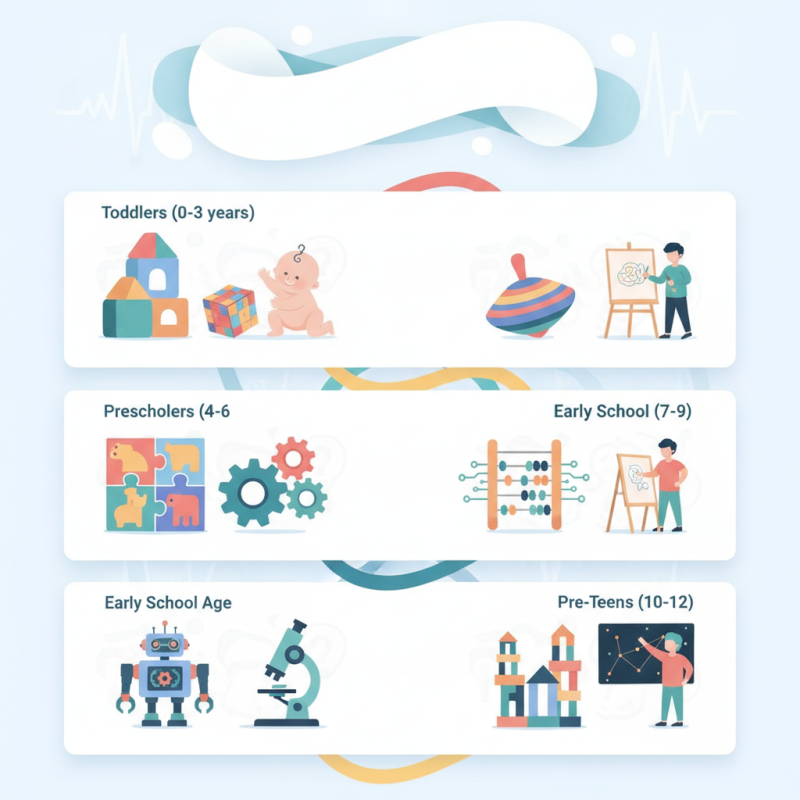
In China, educational toys play a crucial role in child development across different age groups. These toys are not just for fun; they engage children's minds and enhance learning. Parents often seek toys that stimulate creativity, critical thinking, and motor skills.
For toddlers, simple shape sorters can lay the foundation for problem-solving skills. Older children might benefit from building sets that encourage engineering and spatial awareness.
When selecting toys, it’s important to consider age-appropriateness. A toy for a five-year-old may not be suitable for a toddler. However, many parents overlook safety labels and educational value during the buying process. This can lead to poor choices that hinder learning.
Interactive games that teach math or language skills can be underappreciated, despite their potential benefits.
Moreover, cultural relevance in toys cannot be ignored. Chinese traditions and values can significantly inform the type of educational toys deemed valuable. It’s vital for toys to reflect a child's environment. The right educational toys can make learning engaging and fun.
However, the market is full of options. Without careful thought, parents can find themselves overwhelmed, potentially making choices that do not support their children's development effectively.
: Educational toys enhance cognitive skills, promote creativity, and improve social interactions in children.
Puzzles encourage problem-solving skills and strengthen fine motor skills as children manipulate pieces.
Art supplies ignite creativity and allow children to express themselves in unique ways.
No, some interactive games require parental guidance for maximum impact and may not suit every child.
The educational toys market in China may reach approximately ¥100 billion by 2025, with a 15% CAGR.
Parents increasingly seek toys that foster creativity, problem-solving, and skills for future job markets.
Parents encounter misleading claims about "educational" toys and must research their developmental benefits.
Safety is crucial, as parents prioritize non-toxic materials; however, some manufacturers struggle with standards.
Yes, tech-enabled toys encourage problem-solving, but balance with traditional tools is essential for development.
Parents should observe developmental milestones to make informed choices that support their child's growth.
In the realm of educational toys in China, a diverse range is available for various age groups, making it essential to understand what age educational toys are suitable for. From innovative infant toys that nurture sensory development to engaging activities for teens that encourage critical thinking and creativity, the selection caters to all stages of childhood. This comprehensive overview highlights the significance of age-based classification, ensuring parents can choose appropriate toys that align with their child's developmental needs.
Moreover, the article delves into the key benefits of educational toys, emphasizing their role in enhancing cognitive, physical, and social skills among children. It also explores current market trends and growth projections within China's educational toy industry, underscoring the increasing demand for high-quality, developmentally beneficial products. This analysis showcases the influential players in the sector and provides insights into the evolving landscape of educational toys, ultimately guiding consumers in making informed decisions.

 Toym Toy