Choosing the right educational toys for children is crucial for their development. Experts emphasize the importance of selecting age-appropriate items. Dr. Emily Thompson, a child development specialist, states, "Educational toys should match a child's developmental stage." This statement highlights the need for thoughtful consideration.
When considering how to select age appropriate educational toys, parents must look beyond flashy packaging. Safety should be a top priority. Non-toxic materials are essential for any toy. Additionally, toys must match children's skills and interests. A mismatched toy can lead to frustration or disinterest.
Finding the perfect educational toy can be challenging. Consider the child's current abilities and future potential. For example, building blocks are great for toddlers, while complex puzzles can engage older kids. It's a balance between fun and learning. Parents should reflect on their choices. Are they engaging or overwhelming? With thoughtful selection, educational toys can foster creativity and critical thinking.
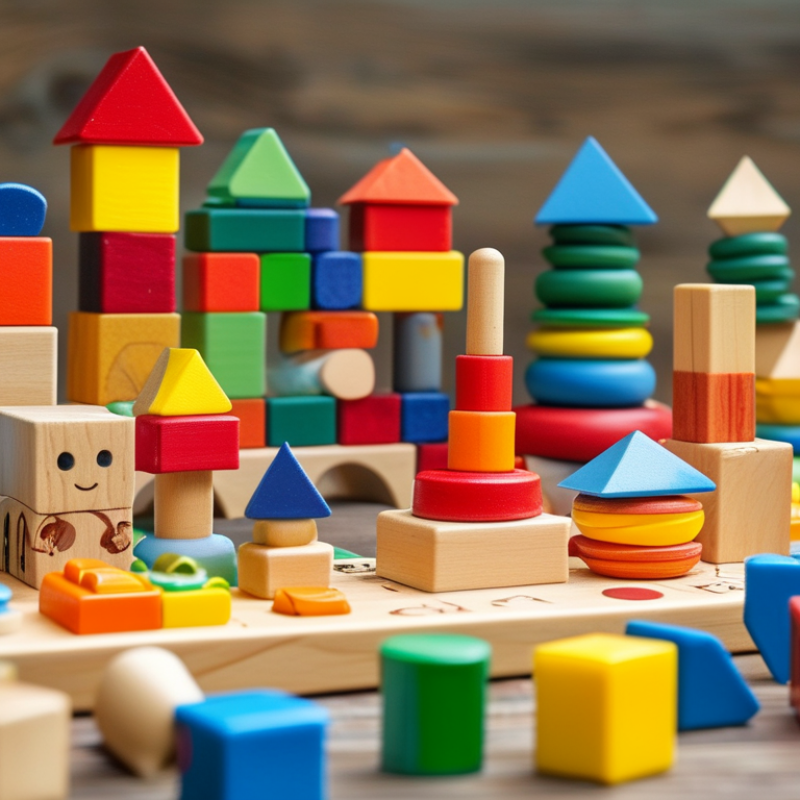
When selecting educational toys, it is crucial to understand the developmental stages of children. The American Academy of Pediatrics emphasizes that toys can play a significant role in cognitive growth. Toys should match the child’s age and developmental skills. For instance, infants learn through sensory experiences. Soft blocks and textured toys stimulate their senses. Meanwhile, toddlers benefit from toys that promote problem-solving and fine motor skills.
At preschool age, children engage in imaginative play. Toys that foster creativity, like building sets and art supplies, encourage this stage of development. According to a report by the National Association for the Education of Young Children, engaging with age-appropriate toys can enhance social skills. Children learn to share and collaborate through interactive play. Yet, a common oversite is selecting toys that are too advanced. This can lead to frustration and disengagement.
It's essential to reconsider toy choices periodically. As children grow, their interests change. What was suitable at one age may not fit later stages. Research from the Toy Industry Association shows that many parents are unaware of developmental trends. They may inadvertently choose toys that do not support their child's current needs. Regularly evaluating toy selection can create enriching play experiences that foster overall development.
| Age Group | Developmental Stage | Recommended Toy Types | Skills Developed |
|---|---|---|---|
| 0-1 Year | Sensorimotor Stage | Soft blocks, rattles, textured toys | Cognitive development, sensory exploration |
| 1-2 Years | Sensorimotor Stage | Shape sorters, stacking toys | Problem solving, fine motor skills |
| 3-4 Years | Preoperational Stage | Pretend play sets, art supplies, puzzles | Imagination, creativity, social skills |
| 5-7 Years | Preoperational to Concrete Operational Stage | Building sets, educational games, science kits | Logical thinking, teamwork, basic math skills |
| 8-12 Years | Concrete Operational Stage | Robotics kits, board games, reading materials | Critical thinking, strategy, literacy skills |
: Building blocks enhance fine motor skills and spatial awareness. They encourage creativity through design experimentation.
Art supplies support self-expression and creativity. Engaging in art helps children explore colors and shapes, boosting emotional intelligence.
Yes, interactive toys like puzzles promote cooperation and teach patience. These are essential skills for working with others.
It's important to understand your child's interests and developmental stage. Toys should challenge, but not overwhelm them.
Set a flexible budget and consider age-appropriate toys. Look for sales or second-hand options to save money.
Age recommendations ensure the toys enhance learning based on your child's developmental stage, which can greatly impact skill growth.
It's okay to feel this way. Reflecting on your child's actual needs versus wants can clarify your decision-making.
Yes, visits to museums and science centers provide enriching experiences. They can enhance learning while being affordable.
Some toys can distract rather than engage. Observing interactions helps in understanding and selecting better options.
Adjust toy choices based on observations and what your child enjoys. This can lead to a more meaningful play experience.
Choosing age-appropriate educational toys is essential for fostering a child's development. To effectively learn how to select age appropriate educational toys, parents should first understand the different stages of child development. This insight helps in identifying toys that align with the specific skills and abilities of children at various ages. Furthermore, evaluating the educational benefits of different toy types allows parents to select those that enhance cognitive, motor, and social skills.
Safety and quality standards must also be prioritized to ensure that the toys are safe for children. Additionally, considering a child's personal interests and preferences can make the play experience more engaging and effective. Finally, budgeting for these toys is crucial, as it enables parents to invest wisely in resources that support their child's educational journey while ensuring affordability. By following these guidelines, parents can select toys that not only entertain but also promote learning and development in a safe and enjoyable way.

 Toym Toy