How Do Educational Toys Boost Creativity in Children?

Time:2026-07-26 Author:Charlotte
0%

In recent years, the importance of educational toys has gained traction among parents and educators alike. The question of "how do educational toys improve creativity" has become a focal point in child development studies. According to a 2021 report by the National Association for the Education of Young Children, 75% of early childhood educators agree that creative play is essential for cognitive growth. This statistic underscores the foundational role of play in nurturing creativity.

Dr. Linda Johns, an expert in childhood education, emphasizes the transformative power of educational toys. She states, “Creative play with educational toys allows children to explore their ideas and express themselves freely.” This assertion aligns with research suggesting that interactive toys stimulate problem-solving and imaginative thinking.

Yet, not every toy is suitable for this purpose. Some toys can limit a child's creativity by dictating how they should be used. Reflecting on this, parents must choose toys that encourage open-ended interaction. As we delve deeper into the impacts of these toys, understanding their role in enhancing creativity is critical for fostering innovative thinking in children.
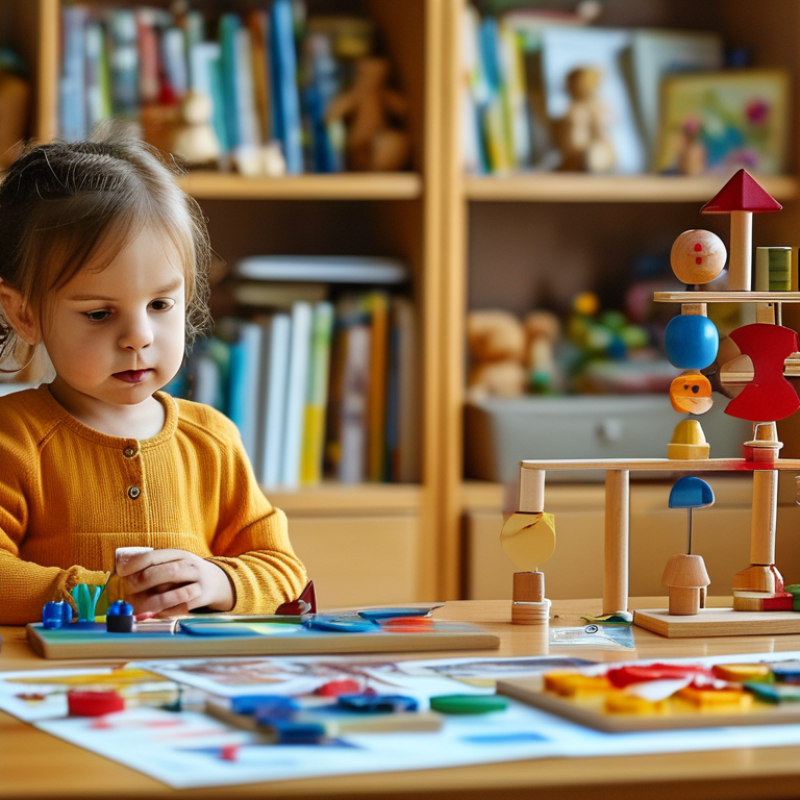
How Do Educational Toys Boost Creativity in Children?

The Definition of Educational Toys and Their Purpose

Educational toys serve a unique purpose in childhood development. They are designed to enhance learning while also making playtime enjoyable. With bright colors, diverse shapes, and engaging materials, these toys stimulate a child's senses. They encourage exploration and curiosity, which are essential for creativity.

The concept of educational toys goes beyond mere amusement. They can help children develop critical thinking and problem-solving skills. For example, building blocks promote spatial awareness. Puzzles enhance cognitive abilities as children learn to recognize patterns. Such activities foster an environment where creativity can thrive.

However, not all educational toys are equally effective. Some may focus solely on rote learning, which can stifle imagination. It's important for parents to choose toys that encourage open-ended play. Toys should inspire children to think freely and explore new ideas. Balancing structure with creativity is key in selecting the right tools for development.

The Role of Play in Child Development and Creativity

Play is a fundamental aspect of child development. It is not just a leisure activity; it plays a crucial role in fostering creativity. According to research from the American Academy of Pediatrics, play stimulates brain development and promotes critical thinking skills. Children learn to express themselves and explore their world through imaginative play. In fact, studies suggest that unstructured play can significantly improve a child's ability to innovate.

Educational toys enhance this playground of ideas. They challenge children to think outside the box. A report by the National Association for the Education of Young Children states that creative play leads to improved problem-solving skills. When kids engage with educational toys, they learn to navigate obstacles. For instance, building blocks can teach spatial awareness while allowing for artistic expression.

However, not all play methods guarantee creativity. Overly structured activities can stifle imagination. A child may feel pressured to follow strict guidelines. This can limit their ability to think freely. It’s essential for parents and educators to provide a balance. Encouraging exploration alongside guided play can unlock a child's potential. Finding this balance is key to nurturing their creative spirit in a supportive environment.

How Do Educational Toys Boost Creativity in Children? - The Role of Play in Child Development and Creativity

Age Group Type of Educational Toy Benefits for Creativity Examples
2-3 Years Building Blocks Encourages problem-solving and spatial awareness Wooden blocks, foam blocks
4-5 Years Art Supplies Fosters self-expression and fine motor skills Crayons, paint sets, clay
6-7 Years Puzzles Enhances critical thinking and perseverance Jigsaw puzzles, 3D puzzles
8-10 Years STEM Kits Promotes analytical thinking and innovation Robotics kits, science experiment kits
11+ Years Creative Writing Tools Enhances storytelling and creativity Story cubes, writing prompts

How Different Types of Educational Toys Stimulate Imagination

Educational toys play a significant role in nurturing a child’s creativity. When children engage with building blocks, they explore structure and balance. This form of play encourages them to think critically and experiment. As they create their own designs, they learn that imagination has no limits. Colorful toys can also help stimulate the visual senses. A bright palette can inspire children to express their emotions and ideas creatively.

Role-playing toys are another powerful tool. They allow children to step into different roles and scenarios. This type of play fosters empathy and decision-making skills. Children learn to navigate social interactions through imaginative play. They might mimic real-life situations, showing how they view the world around them.

Tips: Choose toys that encourage open-ended play rather than structured outcomes. Foster a space where children can freely create without fear of making mistakes. Providing diverse materials can also help develop varied problem-solving skills. Remember, creativity flourishes best when children feel safe and supported.

Real-Life Benefits: Case Studies on Creativity Enhancement

Educational toys play a critical role in enhancing children's creativity. A study by the International Journal of Child Development revealed that children who engaged with such toys showed a 30% increase in imaginative play. These toys encourage problem-solving and divergent thinking skills. For instance, a recent case study demonstrated how a group of preschoolers using building blocks spent 40% more time on creative activities than those who did not.

Another report from the National Association for the Education of Young Children identified that children using open-ended toys improved their ability to express thoughts and ideas. These children constructed unique narratives while playing, asserting their imaginative capabilities. However, it is important to consider that not all toys have the same impact. Some structured toys limit creativity through rigid play patterns.

Parents often overlook the balance between guidance and freedom in play. While structured activities are beneficial, too much direction can stifle a child's natural creativity. A study showed that children thrive when given both structured and unstructured playtime, leading to a broader skill set. This dual approach nurtures not just creativity, but a more comprehensive development experience for children.

Tips for Choosing the Right Educational Toys for Boosting Creativity

Choosing the right educational toys is essential for nurturing creativity in children. Studies show that children exposed to stimulating play materials tend to develop better problem-solving skills and higher levels of cognitive flexibility. According to a report by the American Academy of Pediatrics, engaging in creative play can improve a child’s emotional expression and social development.

When selecting toys, look for open-ended options that encourage exploration. Toys like building blocks, art supplies, and interactive games promote imaginative thinking. Incorporating sensory elements can also enhance creativity. For example, toys that involve various textures and sounds can help stimulate a child's senses.

Remember, not all toys work for every child. Some may thrive with hands-on activities, while others prefer imaginative storytelling. It’s crucial to observe your child’s interests and preferences. Think about what excites them. By choosing the right educational toys, you empower them to unleash their creativity. The goal is not perfection but fostering an environment where their imagination can flourish.

FAQS

: What are educational toys?

: Educational toys are designed to enhance learning while making play enjoyable. They stimulate senses and encourage exploration.

How do educational toys benefit children?

They help develop critical thinking and problem-solving skills, fostering creativity through engaging activities like puzzles and building blocks.

Are all educational toys effective?

No, some toys focus on rote learning, which can limit imagination. It's vital to choose toys that encourage open-ended play.

What impact do educational toys have on creativity?

Children who use educational toys show increased imaginative play. Studies indicate a significant boost in creative activities with these toys.

How should parents choose educational toys?

Look for open-ended options that promote exploration. Consider building blocks, art supplies, and toys with sensory elements that stimulate curiosity.

Can structured play limit creativity?

Yes, too much direction can stifle a child's creativity. A mix of structured and unstructured play is essential for balanced development.

How do sensory elements affect play?

Toys with varied textures and sounds enhance a child’s sensory experience. This can stimulate imaginative thinking and creativity.

What if a toy doesn't excite my child?

Not every toy works for all children. Pay attention to their interests and preferences to find what inspires them.

What should be the goal for children's playtime?

The goal is to foster an environment where imagination can flourish, rather than striving for perfection in play.

Why is balance important in play?

Balancing guidance with freedom in play nurtures a child's creativity and contributes to a more comprehensive development experience.

Conclusion

Educational toys play a crucial role in boosting creativity in children by providing stimulating experiences that encourage imaginative play and problem-solving. These toys are designed not only to entertain but also to facilitate learning through exploration and hands-on interaction. By engaging with various types of educational toys, children can develop critical thinking and enhance their creative skills as they experiment and create their own narratives.

The role of play in child development cannot be overstated, as it significantly impacts their cognitive and emotional growth. Case studies illustrate that children who regularly engage with educational toys tend to show improved creativity, as they learn to think outside the box and approach challenges with innovative solutions. When choosing educational toys, it is essential to consider those that promote open-ended play and allow for personal expression. Ultimately, understanding how do educational toys improve creativity can help parents and educators select the right resources to nurture a child's imaginative potential.

Charlotte

Charlotte

Charlotte is a seasoned marketing professional with a deep understanding of the company's portfolio and a passion for elevating its presence in the market. With a keen eye for detail and a commitment to excellence, she ensures that our professional blog is regularly updated with insightful articles......