How Do Educational Toys Enhance Early Learning Benefits?

Time:2026-06-22 Author:Madeline
0%

The significance of early learning cannot be overstated. Toys play a crucial role in the developmental stages of young children. Dr. Emily Torres, an expert in childhood education, emphasizes, "Educational toys are fundamental in shaping cognitive skills in early learners." This raises an essential question: how do educational toys support early learning?

Educational toys are specifically designed to stimulate a child's thought process. They foster creativity, problem-solving, and social skills in engaging ways. For instance, a puzzle challenges a toddler's critical thinking and fine motor skills. However, not all toys achieve this. Some children may gravitate towards flashy, electronic devices instead of interactive toys. This calls for mindful selection from caregivers.

Toys that promote exploration can have a lasting impact. They build a strong foundation for literacy and numeracy skills. Yet, some educators argue that too much emphasis is placed on toys at the expense of real-world experiences. Therefore, balancing both is vital. Ultimately, understanding how do educational toys support early learning can guide parents and educators in making informed choices.
How Do Educational Toys Enhance Early Learning Benefits?

The Definition and Importance of Educational Toys in Early Learning

Educational toys play a critical role in early learning. They are designed to engage a child's curiosity and creativity. These toys stimulate cognitive development by encouraging problem-solving and critical thinking. Children learn through play, and educational toys provide the right environment for this. Each interaction with these toys can spark curiosity and foster a desire to learn.

Incorporating educational toys into playtime also enhances language development. Many toys promote communication skills as children discuss their experiences. Social interaction is key during this age, and these toys can help facilitate that. They may also encourage collaboration among peers, teaching valuable social skills like sharing and teamwork. However, not all toys are equally effective. Parents must choose wisely, considering the child's interests and developmental stage.

Despite their benefits, some may overlook the importance of simple play without toys. Free play encourages imagination and self-directed learning, which is equally valuable. Parents might need to reflect on their choices, balancing structured educational toys with opportunities for unstructured play. Finding that balance is essential for well-rounded development in early childhood.

Key Developmental Areas Enhanced by Educational Toys

Educational toys play a crucial role in early development. They target key areas such as cognitive skills, motor skills, and social-emotional growth. Through interactive play, children learn problem-solving and critical thinking. For example, puzzles can enhance spatial awareness, while building blocks improve fine motor coordination.

Emotional intelligence is another vital aspect. Toys that encourage collaboration help children develop social skills. They learn to share, take turns, and communicate effectively. Role-playing toys allow kids to explore different scenarios. This enhances empathy and understanding, but not all children respond similarly. Some may feel shy or overwhelmed.

Furthermore, educational toys can foster creativity. Craft kits or musical instruments stimulate imaginative play. However, they may not appeal to every child. It’s essential for parents to observe preferences and adapt accordingly. Finding the right balance can heighten the benefits, while forcing engagement might stifle learning. Ultimately, the best educational toys are those that inspire curiosity and invite exploration.

Types of Educational Toys and Their Specific Benefits

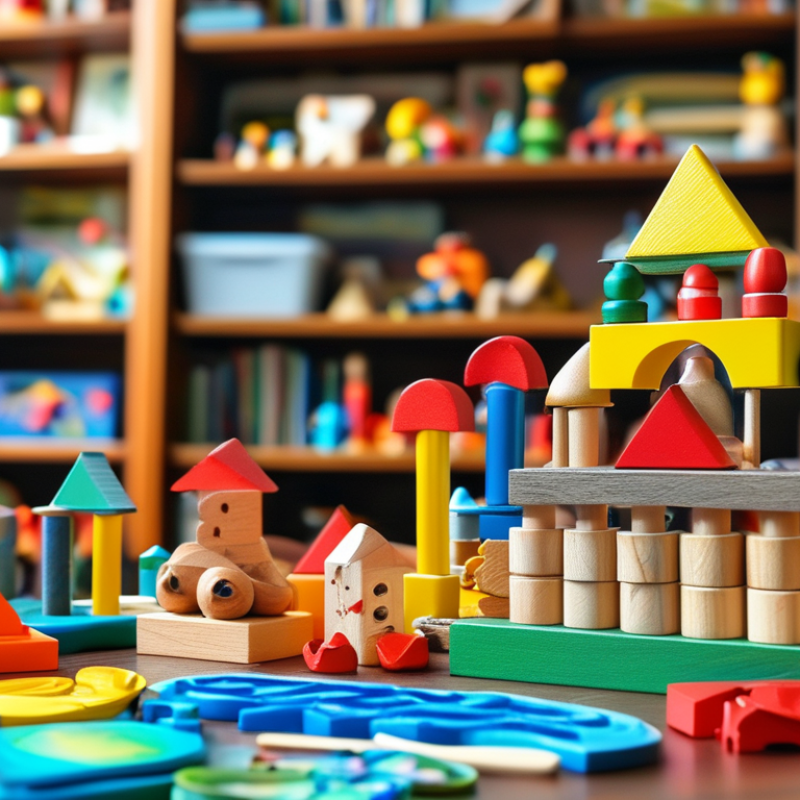
Educational toys come in various forms and serve distinct purposes in early learning. Blocks are instrumental in developing fine motor skills. Children can stack, sort, and build, enhancing their creativity. Puzzles offer another layer of challenge. They improve problem-solving skills while promoting patience. Toys featuring numbers or letters boost early literacy and numeracy. Exposure to these concepts at a young age can lay a strong foundation for future learning.

Art supplies are also essential. They allow children to express themselves visually. Drawing and painting nurture imagination and can improve coordination. However, not all children will engage with every type of toy. Some may prefer active play, like climbing structures. Others might gravitate towards quiet activities, such as coloring books. It is vital for parents to observe preferences and introduce variety. Each toy has unique learning opportunities, but flexibility is key for fostering engagement and effectiveness.

The Role of Play in Cognitive and Social Development

Play is a fundamental part of childhood. It shapes both cognitive and social development. Through play, children discover the world around them. They learn to solve problems and make decisions. This experiential learning is crucial for growth.

Educational toys fuel this kind of play. They encourage creativity and exploration. For example, building blocks allow kids to experiment with shapes and balance. This hands-on experience sharpens critical thinking skills. Socially, children learn to communicate and cooperate. When playing together, they negotiate roles and rules. These interactions foster empathy and teamwork.

However, not all play is equal. Some may argue that screen time detracts from real interaction. A balance is essential. While digital play can be engaging, it often lacks physical interaction. Reflection is necessary. Parents and educators should observe and adapt playtime to ensure it supports holistic development. Encouraging open-ended play remains vital for fostering cognitive and social skills.

Impact of Educational Toys on Early Learning Benefits

Best Practices for Choosing Educational Toys for Young Children

When selecting educational toys for young children, it is important to focus on developmental benefits. Look for toys that encourage problem-solving skills. Puzzles and stacking games teach children to think critically. They promote hand-eye coordination as well.

Consider age-appropriateness when choosing toys. Toys should match the child's developmental stage. Too complex toys can frustrate them. Toys that are too simple may lead to boredom. Balance is key here.

Engage in play together. This builds strong bonds and enhances learning. Sharing experiences can foster creativity. Observe how your child reacts to various toys. Some may captivate their interest more than others. Reflect on what works best for them. Remember, not all toys will offer the same level of effectiveness. Adjust your choices based on these observations.

How Do Educational Toys Enhance Early Learning Benefits?

Toy Type Learning Benefit Age Recommendation Skills Developed
Building Blocks Enhances spatial awareness 1-5 years Creativity, problem-solving
Puzzles Promotes cognitive skills 2-6 years Critical thinking, fine motor skills
Art Supplies Encourages creativity 3-7 years Imagination, self-expression
Musical Instruments Enhances auditory skills 2-5 years Rhythm, coordination
Counting Toys Builds numeracy skills 3-5 years Mathematical concepts, memory

FAQS

: Why is play important for children's development?

: Play shapes cognitive and social skills. It helps children discover the world, solve problems, and make decisions.

What kinds of toys encourage problem-solving?

Puzzles and stacking games teach critical thinking and improve hand-eye coordination.

How should I choose toys for my child?

Focus on developmental benefits and age-appropriateness. Toys should match their skills to avoid frustration or boredom.

Should I play with my child?

Yes, engaging in play together strengthens bonds and enhances learning. Shared experiences foster creativity and connection.

How can I tell if a toy is effective?

Observe your child's reactions. Note which toys captivate their interest. Reflect on what works best for their learning.

Is all play beneficial?

Not all play is equal. Balance screen time with physical interaction for holistic development.

How do children learn social skills through play?

When playing together, children negotiate roles and rules. These interactions build empathy and teamwork abilities.

What is open-ended play?

Open-ended play allows children to explore freely without a specific outcome. It encourages creative thinking and self-expression.

What challenges might arise in choosing toys?

Some toys can be too complex or too simple for a child's stage. Balance is key for maintaining engagement.

How can I support my child's playtime?

Adapt playtime activities based on observations. Encourage diverse play experiences to support their cognitive and social growth.

Conclusion

Educational toys play a crucial role in supporting early learning by fostering key developmental areas such as cognitive, physical, and social skills. These toys are specifically designed to engage young minds, encouraging exploration and creativity while also promoting problem-solving abilities. By understanding how do educational toys support early learning, parents and educators can provide children with experiences that enhance their growth and development during these formative years.

Play is essential for children, as it serves as a foundation for cognitive and social development. Through interactive play with educational toys, children learn to communicate, collaborate, and think critically. When selecting educational toys, it's important to consider their developmental benefits and choose those that align with a child's interests and needs, ensuring a balance of fun and learning that maximizes their early educational experience.

Madeline

Madeline

Madeline is a dedicated marketing professional with a wealth of expertise in our company's core offerings. With a keen understanding of the industry, she brings a unique perspective to her role, consistently delivering high-quality content that highlights the superior aspects of our products. As......