In today's fast-paced world, parents often seek effective ways to support their children's development. One promising approach involves educational toys. These toys not only engage children but also play a significant role in building essential social skills. Research indicates that children learn better through play, especially when interacting with peers. Thus, many wonder: how do educational toys improve social skills?
Through collaborative play, children learn to communicate, share, and develop empathy. For instance, when kids play together with building blocks, they negotiate roles and discuss ideas. This fosters cooperation and helps them understand different perspectives. Educational toys often encourage teamwork, turning playtime into a social learning experience.
However, the effectiveness of these toys can vary. Some children may struggle to engage, feeling overwhelmed by their options. Parents should observe their children's interactions to ensure they are benefiting from these toys. The key lies in thoughtfully selecting toys that suit individual needs. Overall, educational toys can be a powerful tool in enhancing social skills in children, but their impact depends on the context and guidance provided.
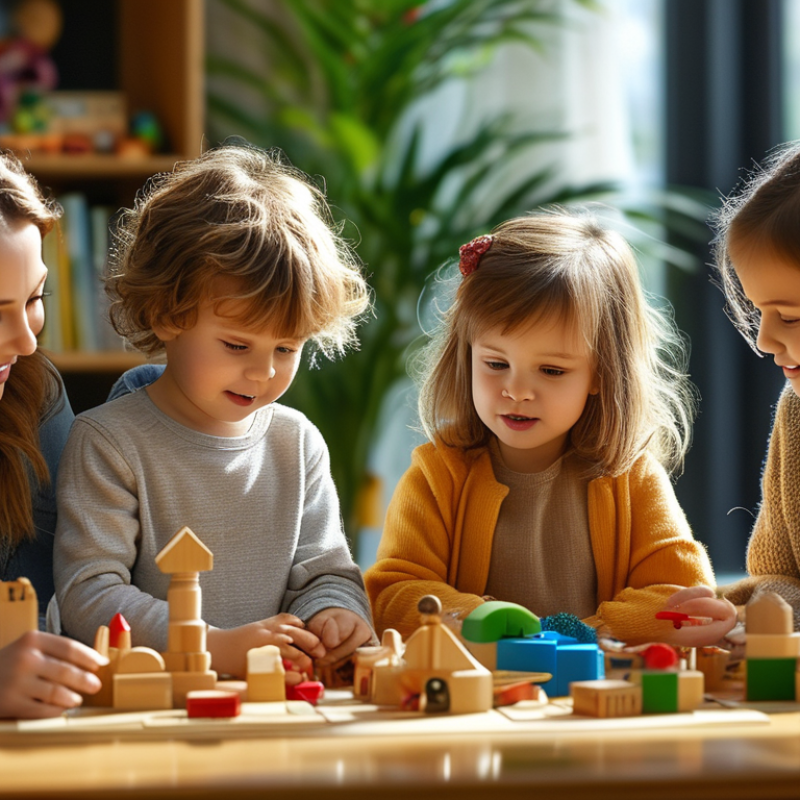
Role of Educational Toys in Developing Social Interaction Skills
Educational toys play a significant role in developing social interaction skills. These toys encourage children to engage and collaborate with peers. When children build together or share toys, they learn important social cues. For instance, a simple block set allows for teamwork as kids discuss which piece fits best. This interaction fosters communication.
Role-playing games are another effective toy category. When children take on different characters, they explore emotions and relationships. This practice helps them understand empathy and cooperation. For example, pretend play with dolls or action figures stimulates conversations about sharing and taking turns. Children learn that their actions affect others.
Nevertheless, it's important to remember that not all children respond the same way. Some may struggle to engage with others despite using these toys. Parents and educators can support these children by modeling social interactions. Encouragement is key. Engaging in guided play can help children build confidence. Each child's experience is unique and may require different approaches.
Types of Educational Toys That Foster Social Skills in Children
Educational toys come in many forms and serve to sharpen social skills in children. Board games, for instance, are excellent for teaching turn-taking and cooperation. When children play these games, they learn to navigate wins and losses together. This experience fosters empathy, as they understand how their actions affect others. Through shared laughter and occasional frustration, bonds are formed.
Role-playing toys are another category that promotes social interaction. They encourage children to assume different roles, enhancing their ability to relate to various perspectives. Pretend play allows kids to explore emotions and language. They learn to communicate their feelings and negotiate with peers. These interactions can sometimes lead to misunderstandings, teaching valuable lessons in conflict resolution.
Building sets also play a significant role. Working together to create structures promotes teamwork and communication. However, disagreements may arise on how to build, prompting discussions and compromises. While it can be challenging, these moments of conflict boost children's problem-solving skills. The process of collaboration, even with its imperfections, nurtures a sense of community among young learners.
The Impact of Group Play with Educational Toys on Communication Skills
Group play with educational toys can significantly bolster communication skills among children. When children interact during play, they practice essential verbal and non-verbal communication. They learn to express their thoughts and listen to others. This interaction helps them articulate their ideas more clearly. For example, building a structure together encourages teamwork and shared decision-making. Children must negotiate how to proceed, which fosters dialogue.
Additionally, educational toys often promote role-playing scenarios. In this setting, children engage in imaginative play that mimics real-life situations. This practice helps them navigate social roles and understand various perspectives. They can experiment with language and emotional expression. When disagreements arise, children learn conflict resolution skills, which are crucial for effective communication.
However, not every child responds positively to group play. Some may struggle with shyness or prefer solitary play. This can lead to frustration or social withdrawal. Recognizing these challenges is vital. Caregivers should encourage participation but also respect individual comfort levels. Finding a balance can maximize the benefits of play and enhance social skills for every child.
Impact of Educational Toys on Communication Skills in Group Play
Benefits of Collaborative Play in Enhancing Teamwork and Empathy
Collaborative play is essential for developing social skills in children. Engaging in group activities fosters teamwork. Children learn to communicate and share ideas. This interaction helps them understand different perspectives. For instance, playing with building blocks as a team promotes problem-solving. They must negotiate who does what. It's a practical lesson in teamwork.
Moreover, empathy grows through shared experiences. Children who play together often discuss feelings and challenges. This dialogue is crucial for emotional development. They learn to recognize and respond to others' emotions. When one child feels frustrated, others learn to offer support. Such moments reinforce the importance of compassion.
However, not all play is smooth sailing. Conflicts can arise during collaborative play. Disagreements about rules or roles may surface. It is a valuable opportunity for teaching conflict resolution. Children learn to navigate differences effectively. Reflecting on these challenges prepares them for future interactions. Despite the messy nature of social play, the gains in empathy and collaboration are substantial.
Parental Involvement in Maximizing the Social Benefits of Educational Toys
Parental involvement plays a crucial role in enhancing the social benefits of educational toys. When parents actively engage, children learn essential social skills effectively. For instance, when playing with building blocks together, parents can encourage sharing and teamwork. This interaction fosters communication, helping children articulate their thoughts and feelings.
Moreover, parents can introduce games that require problem-solving in groups. These activities teach negotiation and compromise, vital for their future relationships. Observing their child’s reactions also allows parents to guide them through conflicts. Sometimes, parents might need to step back and let children resolve issues themselves. This balance is challenging but can help children build resilience and independence.
Ultimately, parental guidance should be adaptable. Not all toys suit every child, and not all interactions will yield positive results. Parents might find some activities frustrating, but these moments are opportunities for growth. Reflecting on their involvement can lead to better strategies for fostering social skills in the future.
FAQS
: Group play allows children to practice verbal and non-verbal communication. They learn to express thoughts and listen to others.
Educational toys promote interactions that foster teamwork and problem-solving among children during play.
Not all children thrive in group settings. Some may struggle with shyness or prefer to play alone, leading to social withdrawal.
Empathy grows through shared experiences. Children discuss feelings and learn to recognize and respond to each other's emotions.
Parents can engage in play, encouraging sharing and teamwork, which helps children articulate their thoughts and feelings.
Parents can guide children through conflicts or step back for kids to resolve issues independently, fostering resilience.
Yes, conflicts about rules or roles can occur. These challenges teach valuable lessons in conflict resolution.
Parental guidance should be flexible as not all toys suit every child. Reflection on involvement can lead to improved strategies.
They learn to navigate differences, which prepares them for future social interactions despite the challenges.
Yes, some activities can be frustrating. These moments serve as growth opportunities for both children and parents.
Conclusion
Educational toys play a significant role in developing social interaction skills among children. They offer a varied platform for children to engage in group play, which is essential for enhancing communication abilities. Through activities like sharing, negotiating, and problem-solving during play, children learn how to effectively communicate and collaborate with peers. Additionally, toys that promote collaborative play foster important qualities such as teamwork and empathy, enabling children to understand others' perspectives.
Parental involvement is crucial in maximizing the social benefits of educational toys. Parents can facilitate and guide play experiences, encouraging children to express themselves and engage with others. Overall, understanding how educational toys improve social skills can help parents and educators select the right tools to support children's developmental needs in social contexts.

 Toym Toy