In recent years, the debate around screen time for children has intensified. Parents are increasingly concerned about the impact of excessive screen use. The question arises: can educational toys reduce screen time for kids? Many parents seek alternatives to screens that engage their children cognitively. Educational toys promise to offer an effective solution.
These toys can stimulate creativity and problem-solving skills. For instance, puzzles, building blocks, and interactive games can foster learning. However, not all educational toys have the same impact. Some may captivate children more than others. So, it's essential for parents to select high-quality options. Quality toys can draw kids away from screens effectively.
Despite the potential benefits, the transition is not always easy. Many kids are used to the instant gratification that screens provide. They may resist engaging with new toys. It's important for parents to be patient and encouraging. Finding the right balance is crucial. While educational toys hold promise, it's a journey that requires effort and adaptability.
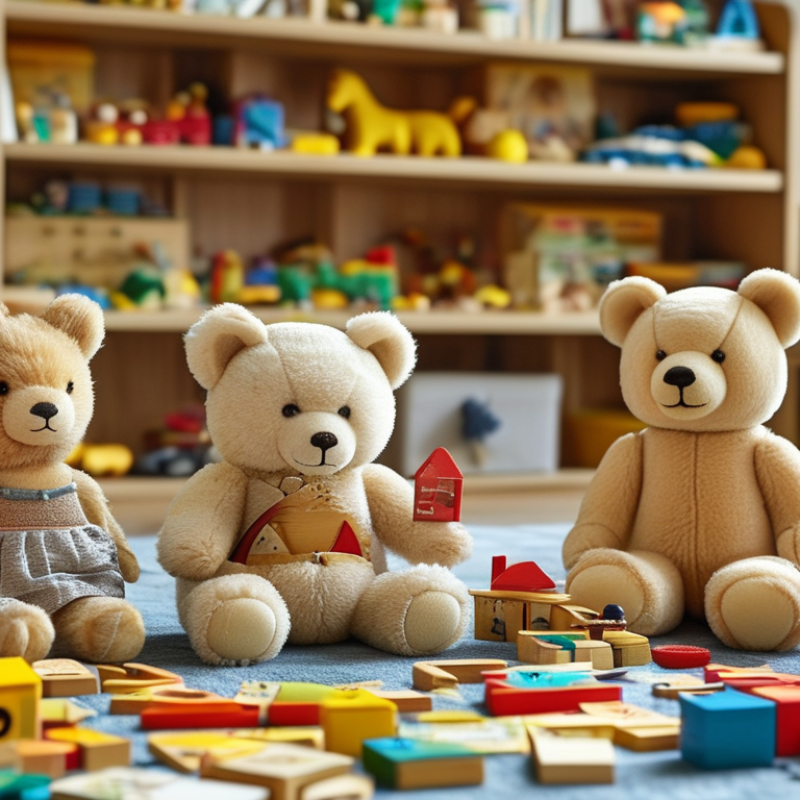
The rise of educational toys in our digital age signifies a crucial shift in how children engage with learning. Recent data shows that screen time for kids has surged to an average of 2.5 hours per day, according to a 2022 report by the American Academy of Pediatrics. This trend poses significant developmental concerns, emphasizing the need for alternatives. Educational toys can bridge this gap by offering hands-on experiences that foster creativity and critical thinking.
Research indicates that children who interact with educational toys show improved cognitive skills. A study from the Learning Resources Center found that 68% of parents noticed enhanced problem-solving abilities in their kids after regular use of educational toys. This suggests a promising avenue for reducing reliance on screens. Yet, not all educational toys are created equal; some may oversimplify learning, leading to a false sense of achievement.
Moreover, the challenge remains for parents to select toys that genuinely promote education over mere entertainment. Engaging in research is essential to avoid falling for trendy gimmicks. While educational toys can indeed help reduce screen time, it is key to remain critical of their effectiveness. The quest for balancing screen exposure with active learning continues, reflecting a broader conversation about how to best nurture our children's development in a technology-saturated world.
Screen time is a prevalent topic in discussions about children's health. While technology provides educational benefits, it has risks. Excessive screen use can lead to reduced physical activity. It may also affect attention spans and sleep. Parents often worry about addiction to devices. Balancing screen time is essential for healthy development.
Educational toys can offer alternatives. They encourage creativity and social interaction. Building blocks, puzzles, and art supplies stimulate cognitive skills. When children engage in hands-on play, they are less likely to gravitate toward screens. Climbing, running, and experimenting with materials support physical health. These activities promote learning and prevent sedentary behavior.
Reducing screen time is not a one-size-fits-all solution. Some screens can enhance learning and connection. It's important to consider content quality. Monitoring usage, setting boundaries, and engaging with children during playtime can help. Navigating this landscape requires patience and adaptability. Each family must find a balance that works for them. The objective is to foster both learning and well-being.
| Age Group | Average Daily Screen Time (hours) | Recommended Daily Screen Time (hours) | Impact of Educational Toys on Screen Time |
|---|---|---|---|
| 2-4 years | 3.5 | 1 | Increased engagement in hands-on activities; reduced screen time by 30% |
| 5-7 years | 4.5 | 1.5 | Enhanced creativity and problem-solving; cut screen time by 25% |
| 8-10 years | 5 | 2 | Encouraged physical play; screen time decreased by 20% |
| 11-13 years | 6 | 2 | Promoted social interaction; reduced screen time by 15% |
Creative play is essential for a child's development. Educational toys can stimulate a child's imagination and encourage learning in a hands-on way. Instead of passive screen time, these toys engage young minds, inviting them to explore different ideas. A colorful building set, for example, allows children to construct their own worlds. They learn spatial awareness and creative problem-solving as they figure out how to balance structures.
Art supplies like paint and clay can unleash a child's artistic side. Through creative expression, children develop fine motor skills and enhance their ability to communicate ideas. These activities not only entertain but also educate. Yet, some children may still gravitate toward screens. It can be a challenge for parents to strike the right balance between tech and traditional play.
Parenting requires patience and reflection. Encouraging children to engage with educational toys may take effort. Sometimes kids may prefer the instant gratification screens provide. However, the long-term benefits of creative play should not be overlooked. Finding ways to make educational toys appealing can transform screen time into productive playtime. Careful choice in toys can cultivate skills that last a lifetime.
The chart above illustrates the average hours children spend per week engaging with various activities, highlighting the potential for educational toys to reduce screen time.
Screen-based activities have become a large part of children's daily routines. Many kids spend hours in front of screens, whether it is for games, videos, or educational content. This screen time can create concerns about health and social skills. Many parents are looking for effective ways to reduce this dependency. One possible solution lies in educational toys.
Educational toys encourage hands-on interaction and creativity. They promote problem-solving and critical thinking, skills that screens often overlook. For instance, building blocks stimulate spatial awareness and fine motor skills. Art kits can ignite creativity and self-expression. Unlike screen activities, which can often be passive, these toys require active participation. They can engage children's minds in ways that screens might not.
However, it's important to note the challenges parents face. Children may initially resist these toys in favor of screens. Parents may find it difficult to strike a balance between screen time and playtime. Setting limits can lead to tension, as kids may become upset at losing their favorite shows or games. Finding the right educational toys that match a child’s interests is crucial. Parents must consider their child’s preferences to create an engaging and balanced approach to play.
In today’s digital age, children are more glued to screens than ever before. As parents, it is crucial to guide kids towards a balanced playtime. Introducing educational toys can help shift their focus from screens to creative, hands-on activities. These toys promote learning and can inspire curiosity. For example, building blocks can enhance spatial awareness, while puzzles stimulate critical thinking skills.
Parental involvement is key in this transition. Engage with your child during playtime. Ask questions and encourage discussions about what they are building or solving. This interaction enriches their experience and strengthens your bond. However, it can be challenging. Sometimes, kids resist moving away from screens. They may want to stay in their comfort zones, finding it easier to watch than to create.
It’s important to be patient and persistent. Offer a variety of educational toys that cater to different interests. Consider rotating toys frequently to keep their attention. This strategy can help maintain their interest and curb screen time. Remember that balance is essential. The goal is not to eliminate screens completely but to foster a love for learning through diverse play. Understanding your child’s preferences can lead to more meaningful activities that spark imagination and joy in play.
: Screen time involves using devices like tablets or TVs. It can provide educational benefits but also presents risks, such as addiction.
Too much screen time can reduce physical activity. It may lead to poor attention spans and disrupted sleep patterns.
Educational toys, like building blocks and puzzles, encourage hands-on play. They promote creativity and social interaction.
These toys stimulate cognitive skills and invite children to explore. They support problem-solving and fine motor skills through active engagement.
Parents should monitor screen usage and set boundaries. Engaging with children during playtime can help create a healthy balance.
Not all screen time is bad. Some content can enhance learning. However, the quality of content should be considered.
Kids may initially prefer screens, making it tough for parents to encourage toy use. Patience and creativity may be needed.
Finding toys that match a child’s interests can engage them. Creative play may take effort but can be more fulfilling than screens.
Educational toys engage kids actively. Unlike passive screen activities, they promote physical activity and creative thinking.
Parenting requires patience and reflection. Understanding a child's needs can help find a suitable balance between toys and screens.
In today's digital age, the prevalence of screens has raised concerns about children's screen time and its impact on their development. The article examines whether educational toys can reduce screen time by providing alternative engaging activities that promote creativity and learning. While screen-based activities do have their benefits, educational toys encourage children to explore their imagination, problem-solve, and engage with the physical world around them.
By comparing educational toys with screen-based interactions, the article highlights how hands-on play can foster critical thinking and social skills while limiting excessive screen exposure. Parental guidance is crucial in this context, as caregivers can help encourage balanced playtime practices that integrate educational toys, thus potentially reducing screen time. The insights suggest that, indeed, educational toys can reduce screen time for kids by offering enriching experiences that captivate their attention away from digital devices.
