In 2026, educational toys are gaining tremendous popularity. Parents seek tools that combine fun and learning for their children. These toys foster creativity, critical thinking, and problem-solving skills. Today’s market reveals diverse options appealing to various age groups.
So, what are the latest trends in educational toys? Manufacturers focus on technology integration, making learning interactive and engaging. Augmented reality, coding games, and STEM kits are particularly in demand. Parents appreciate products that promote both cognitive and social development.
However, not all educational toys are created equal. Some products may overemphasize entertainment, losing educational value. It’s crucial for parents to differentiate between a simple toy and one that enriches learning. Understanding this landscape will help families make informed choices, ensuring their children benefit from their playtime.
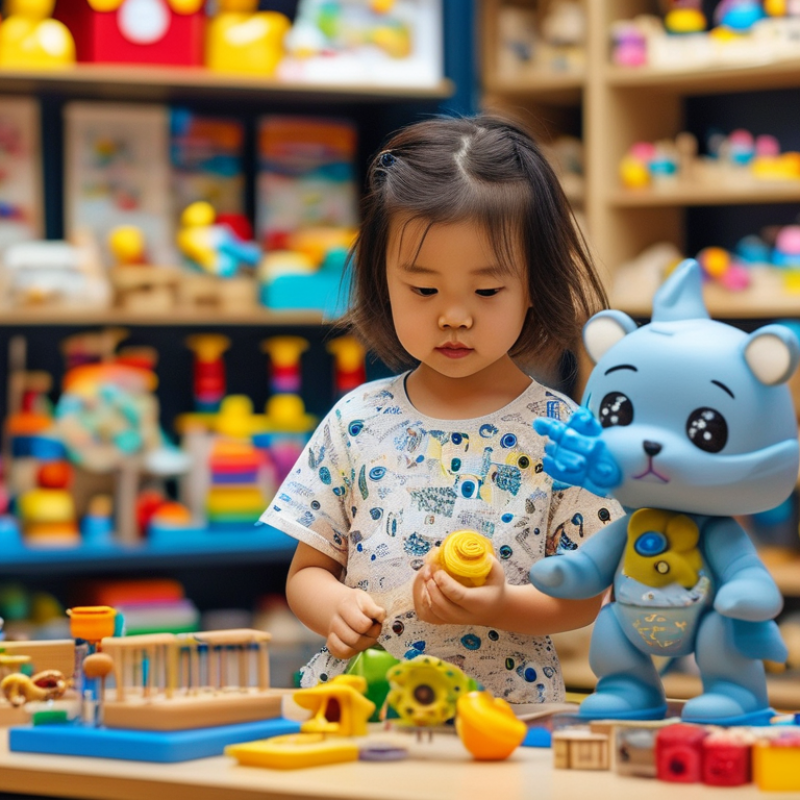
The rise of educational toys in 2026 reflects a significant shift in parenting values. These toys foster learning through play, making education engaging. Parents today seek tools that promote cognitive skills, creativity, and emotional intelligence in their children. Many families prioritize activities that blend fun with education, creating a trend that supports holistic development.
Experts emphasize the importance of age-appropriate toys. Simple building blocks enhance spatial reasoning, while puzzles challenge logical thinking. However, not all educational toys are equally effective. Some may be overly complex or fail to engage young minds. Parents need to research and select quality options that match their child’s developmental stage.
Interactive toys are also gaining popularity. These often include technology to track progress and adapt to a child's learning pace. While this can be beneficial, it may also lead to screen fatigue. Finding a balance between digital and physical play is crucial. Children should have diverse experiences, both in and out of the classroom, to develop fully.
| Category | Growth Rate (%) | Popular Age Group | Key Skills Developed |
|---|---|---|---|
| STEM Toys | 15% | 6-12 years | Problem solving, Critical thinking |
| Creative Arts | 12% | 3-8 years | Creativity, Fine motor skills |
| Language Development | 10% | 0-5 years | Language skills, Vocabulary |
| Social Emotion | 13% | 1-5 years | Social skills, Emotional intelligence |
| Physical Play | 11% | 2-6 years | Gross motor skills, Coordination |
The surge in popularity of educational toys in 2026 is largely driven by a growing emphasis on cognitive skills development. Research indicates that parents are more conscious of the importance of learning through play. According to a recent study by the International Toy Research Institute, 72% of parents believe educational toys significantly enhance their children’s problem-solving skills. This awareness is reshaping the toy market and influencing purchasing decisions.
Another factor is the rise of digital education tools. Parents are now looking for toys that complement online learning experiences. A report from the Global Educational Toy Market Analysis notes a 28% increase in demand for toys that integrate with digital platforms. These toys help bridge the gap between screen time and hands-on learning, appealing to tech-savvy families. However, the challenge lies in selecting the right balance. Parents sometimes struggle to find toys that effectively combine fun with educational value.
Moreover, sustainability is becoming crucial in toy selection. A survey conducted by Eco-Toy Initiative shows that 63% of parents prioritize eco-friendly materials when purchasing toys. This focus creates a broader awareness of the environmental impact of toy production. While many educational toys are shifting toward sustainable practices, not all brands adhere to these standards. Parents are left to navigate a confusing market, searching for truly responsible options amidst claims that can often mislead.
The landscape of educational toys has evolved dramatically due to advancements in technology. By 2026, approximately 75% of educational toys will integrate some form of digital technology. This shift includes interactive screens, augmented reality, and coding elements, which enrich the learning experience for children. A recent report from the Toy Association highlights that nearly 65% of parents prefer toys that combine play and learning. This statistic underscores the demand for innovative solutions that engage kids while fostering cognitive development.
Technology shapes educational toy design in several ways. For instance, toys equipped with AI can adapt to a child's learning pace. This personalized approach is essential; 80% of educators believe that tailored learning is more effective.
Moreover, toys that use bright colors and sensory feedback attract children's attention, making learning enjoyable. However, some experts caution that too much reliance on technology may hinder creativity. They suggest a balance between hands-on play and digital engagement. This is a crucial area for toy designers to consider as they navigate the evolving educational landscape.
Educational toys have gained immense popularity in 2026. Parents are increasingly aware of their benefits for child development. These toys engage kids in playful learning. They encourage creativity, problem-solving, and social interactions. Children learn effectively when they enjoy what they are doing.
Research supports the value of educational toys. Studies show that hands-on play enhances cognitive skills. Toys that stimulate imagination can help build strong neural connections. Simple puzzles and building blocks are great examples. They promote fine motor skills while keeping children entertained. However, it is essential to assess the appropriate age range and features of toys.
Despite their advantages, some parents may overlook educational toys. They might choose flashy options instead of those that promote learning. It’s crucial to find a balance between fun and education. Not every toy marketed as educational delivers on its promises. Parents should remain vigilant and prioritize quality over quantity in their choices. This reflection could lead to more enriching play experiences for children.
The demand for educational toys has surged in 2026, driven by evolving parental priorities. Many parents now seek toys that offer more than entertainment. They want products that promote cognitive growth and social skills. The shift towards remote learning has heightened awareness of children's developmental needs. Parents feel pressure to provide stimulating environments at home. This has influenced their purchasing decisions significantly.
Educational toys are not just popular; they are essential tools for learning. Brands are increasingly offering innovative products. These toys include puzzles, STEM kits, and interactive books. They engage children in ways that traditional toys do not. However, not all educational toys live up to expectations. Some are overpriced or lack effective design. Parents may face confusion about which toys truly foster development. This uncertainty can lead to dissatisfaction, highlighting the need for better guidance in making informed choices.
: Growing emphasis on cognitive skills and learning through play drives demand for educational toys.
They promote creativity, problem-solving, and social interactions, making learning enjoyable and effective.
Yes, studies show that many parents recognize their benefits for enhancing children's developmental skills.
Parents seek toys that complement online learning, bridging the gap between digital and hands-on experiences.
Many parents now prioritize eco-friendly materials, impacting their choice of educational toys significantly.
Not all toys labeled as educational deliver results; parents should prioritize quality over flashy options.
They should assess age appropriateness and focus on toys that offer real educational value.
Confusion over misleading claims can make it hard to find truly responsible and effective toy options.
Too much focus on fun can lead to overlooking essential educational components in toys.
Striking the right balance between entertainment and educational value is crucial for enriching play experiences.
In 2026, educational toys are experiencing a significant rise in popularity, driven by various factors that cater to modern parenting needs. What are the latest trends in educational toys? Parents are increasingly seeking products that not only entertain but also contribute to their children's cognitive and social development. The integration of technology plays a crucial role, with interactive features and apps enhancing the learning experience.
The benefits of educational toys are well-documented, supporting skills such as problem-solving, creativity, and emotional intelligence. Market analysis indicates a strong consumer demand for these toys as caregivers prioritize quality educational playtime. As they become more aware of the importance of early learning, families are enthusiastic about incorporating innovative educational toys into their children's lives, thus shaping the future of play and learning.
