In recent years, the question of "are educational toys effective for preschool learning?" has gained significant attention. Experts in early childhood education, like Dr. Sarah Thompson, emphasize the importance of engaging children through play. She states, "Toys can stimulate cognitive development and encourage creativity." This insight reflects a growing belief that educational toys play a key role in preschool classrooms.
The debate is ongoing. Some educators argue that traditional methods still hold value. They worry that over-reliance on toys might limit critical thinking. However, studies show that interactive learning fosters better retention. Hands-on experiences often lead to deeper understanding. Educational toys can enhance fine motor skills and problem-solving abilities in children.
Nevertheless, the effectiveness of educational toys is not guaranteed. Quality and appropriateness matter greatly. Not all toys provide genuine learning opportunities. Parents and educators must choose wisely. Observing how children interact with these toys can offer valuable insights into their learning processes. Balancing structured learning with play remains a challenge for many. The question persists: are educational toys effective for preschool learning? The answer may lie in thoughtful implementation and ongoing evaluation.
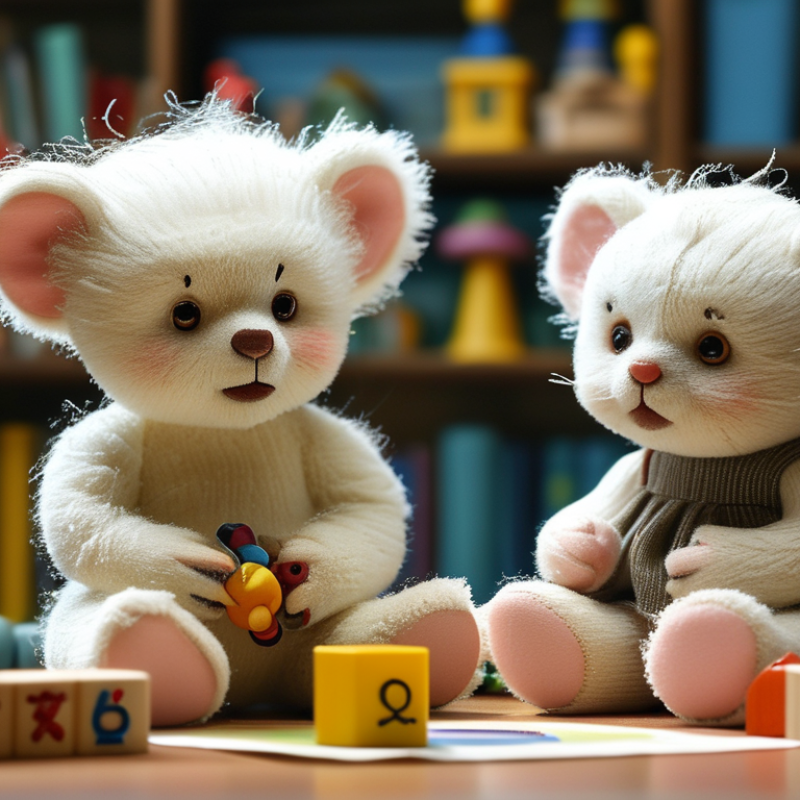
Educational toys play a crucial role in preschool learning. They are designed to promote cognitive and social development. At their core, educational toys encourage exploration and creativity. They often incorporate elements like problem-solving, fine motor skills, and language development. According to a report by the American Academy of Pediatrics, children who engage with educational toys demonstrate improved learning outcomes.
Tips: Look for toys that align with your child's interests. This engagement fosters deeper learning. Interactive toys, like puzzles and building blocks, stimulate critical thinking. A study showed that children who use such toys often score higher on developmental assessments.
Some toys promise more than they deliver. Not every colorful item in a store aisle contributes to learning. Research from the National Association for Education of Young Children suggests that effectiveness depends on the toy's design and how a child interacts with it. Parents and educators should prioritize meaningful play rather than sheer entertainment. This will help in choosing tools that truly enhance the learning experience.
| Toy Type | Learning Objective | Age Group | Key Characteristics | Effectiveness Rating (out of 5) |
|---|---|---|---|---|
| Building Blocks | Spatial Awareness | 3-5 years | Creative construction, motor skills development | 4.5 |
| Puzzle Games | Problem Solving | 3-6 years | Critical thinking, hand-eye coordination | 4.8 |
| Educational Tablets | Digital Literacy | 4-6 years | Interactive games, learning apps | 4.2 |
| Art Supplies | Creativity and Expression | 2-5 years | Variety of materials, open-ended play | 4.7 |
| Science Kits | STEM Learning | 5-7 years | Hands-on experiments, exploration | 4.6 |
: Educational toys are tools designed to enhance cognitive and social skills in young children. They promote exploration and creativity.
They support cognitive development, problem-solving, and fine motor skills. Engaging with them leads to better learning outcomes.
Choose toys that match your child's interests. Look for items that encourage exploration and critical thinking.
Future educational toys will integrate technology to create interactive learning experiences while promoting creativity.
Yes, balancing screen time with hands-on play is crucial for a child's development and imagination.
Not necessarily. Effectiveness depends on design and child interaction. Focus on meaningful play over mere entertainment.
Future designs may include augmented reality, creating immersive narratives that stimulate learning and imagination.
Yes, studies show children using interactive toys often perform better in developmental evaluations.
Parents sometimes prioritize colorful toys over their educational value. This approach may hinder meaningful play opportunities.
Absolutely. Regular reflection ensures the toys chosen truly enhance the child's learning experience and development.
The article titled "Are Educational Toys Effective for Preschool Learning in 2026?" explores the multifaceted role of educational toys in early childhood development. It begins by defining educational toys and outlining their key characteristics, emphasizing their interactive and engaging nature. The discussion highlights the crucial role these toys play in enhancing children's learning experiences compared to traditional methods.
Additionally, the article presents evidence from research studies that assess the effectiveness of educational toys in promoting cognitive, social, and emotional skills in preschoolers. A comparative analysis shows how these toys can offer more tailored and stimulating learning opportunities than conventional learning tools. Finally, the article looks ahead at future trends in educational toy design and usage, indicating a shift towards more innovative and adaptive approaches that align with modern learning needs. Overall, the insights provided help address the central question: are educational toys effective for preschool learning?

 Toym Toy