How to Evaluate the Quality of Educational Toys for Kids?

Time:2026-09-04 Author:Sophia
0%

In the quest to provide children with the best educational toys, parents often feel overwhelmed. Understanding how to evaluate educational toy quality is essential. High-quality toys can significantly foster learning and development. Yet, not every brightly colored toy guarantees educational value.

Toys that claim to be educational can vary greatly in their effectiveness. Parents must consider factors such as safety, durability, and developmental appropriateness. Visiting trusted reviews or expert opinions can guide decisions. However, many parents often get swayed by marketing claims over quality features.

Reflecting on your child's interests can also play a key role. What captures their curiosity? Engage them in the selection process. While the plethora of options can be confusing, using informed criteria helps narrow choices. As we navigate this landscape, asking questions about a toy's quality becomes vital for making wise purchases.
How to Evaluate the Quality of Educational Toys for Kids?

Criteria for Assessing Educational Value of Toys for Children

When evaluating educational toys for kids, consider several key criteria. Look for toys that promote critical thinking and creativity. These characteristics foster cognitive development. For instance, building blocks inspire imaginative play and problem-solving skills. Toys should also encourage social interaction. Games that require teamwork can enhance communication and cooperation among children.

Another essential aspect is age appropriateness. A toy must match the developmental stage of the child. Some toys may seem fun but offer little educational value for younger kids. Choose options that challenge them without causing frustration. Quality toys often allow for multiple play scenarios, enabling children to explore different concepts at their own pace.

Safety is non-negotiable. Ensure materials are non-toxic and have no small parts for younger children. Check for durability, as toys need to withstand active play. Ultimately, the right educational toys not only entertain but also contribute meaningfully to a child's growth. Striking this balance can sometimes be tricky but is vital for enriching playtime experiences.

Evaluation of Educational Toys for Kids

Safety Standards and Regulations for Educational Toys

When choosing educational toys for children, safety standards are paramount. Regulatory bodies like the U.S. Consumer Product Safety Commission (CPSC) set guidelines to ensure toys are safe. They assess aspects like choking hazards and toxic materials. According to a 2020 report by ASTM International, nearly 20% of recalled toys involved safety violations. Such statistics emphasize the need for parents to be vigilant.

Many materials used in toys can be harmful. For instance, certain plastics contain phthalates, which can disrupt hormones. The CPSC limits such substances, but not all toys meet these requirements. Parents should look for labels indicating compliance with safety standards. The American Society for Testing and Materials (ASTM) provides benchmarks for age-appropriate toys. Yet, there are gaps in compliance and enforcement.

Inadequate information can lead to poor decisions. It is essential to research each toy before purchase. Online databases track recalls and safety violations, allowing parents to make informed choices. While toys may be aesthetically pleasing or fun, they must also prioritize safety. Awareness of these safety standards fosters a safer play environment for children, ensuring they benefit from their educational toys.

Age Appropriateness and Developmental Suitability of Toys

When choosing educational toys, age appropriateness is vital. Toys should match a child's developmental stage. For infants, soft textures and bright colors are engaging. As they grow, more complex toys enhance motor skills. For example, stacking blocks develop hand-eye coordination. Kids aged two to three benefit from toys that encourage imaginative play, like dress-up costumes.

Developmental suitability is equally important. Toys should cater to various skills, such as cognitive, social, and emotional development. Puzzles can stimulate problem-solving abilities in preschoolers. Role-playing toys allow children to explore social roles and interact with peers. However, not all toys will resonate with every child. What excites one may not engage another. Pay attention to individual interests and skills.

Sometimes, parents might overlook quality. Cheaply made toys with small parts can pose safety risks. Moreover, overly complex toys might frustrate young children. It’s essential to review how toys support learning without overwhelming them. Reflect on your child's interactions. Are they engaged or frustrated? This insight can guide future purchases. Each child's journey is unique, and toys should nurture that growth effectively.

Material Quality and Durability in Educational Toy Design

When evaluating educational toys, material quality is crucial. Natural materials like wood are often more sustainable. They provide a tactile experience that plastic cannot match. However, not all wood is created equal. Look for toys that use non-toxic finishes. This ensures safety during playtime.

Durability is another key aspect. Toys made from sturdy materials can withstand rough play. Kids are not always gentle, and toys should endure the excitement. Check for construction quality. Joints should be secure, and edges must be smooth. A well-made toy offers long-lasting engagement, reducing waste in the long run.

It’s easy to overlook these factors in favor of bright colors or trendy designs. Reflect on how these elements affect a child's developmental experience. A beautiful toy made from poor materials can quickly become a waste of money. Seeking balance between aesthetics and quality should be a priority. Consider how often toys are discarded due to wear and tear. Consciously choosing durable toys contributes to a sustainable future.

Engagement and Interaction: Measuring Playtime Quality

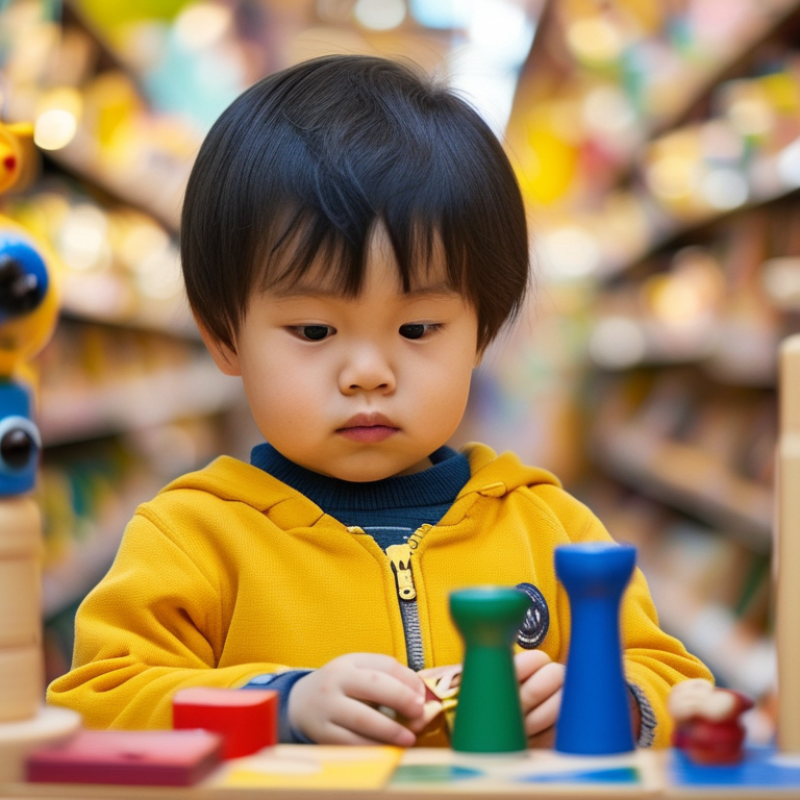
When evaluating educational toys, engagement and interaction are crucial factors. Observing how children interact with a toy can reveal much about its quality. Do they stay focused? Are they creatively using the toy in various ways? A good toy encourages exploration and sparks curiosity. Children might spend hours with a toy that lets them build, create, or role-play. The more a child engages, the more they learn.

Another aspect to consider is the social interaction facilitated by the toy. Toys that promote group play can enhance communication skills. Look for toys that encourage sharing and teamwork. A toy might seem appealing at first glance but could fail to sustain interest over time. Parents should reflect on whether the toy encourages problem-solving and critical thinking.

Measuring playtime quality involves not just looking at the child’s enjoyment, but also how the toy aids in their development. Are cognitive skills being sharpened? Is fine motor skill development supported? Being mindful of these factors can help parents make informed decisions about toys that are not only entertaining but also educational.

FAQS

: What should I look for in educational toys?

: Choose toys that promote critical thinking and creativity. Imaginative play is essential for cognitive development.

Why is age appropriateness important for toys?

Toys must match a child’s developmental stage to be effective. Some toys might be frustrating if too advanced.

How can toys enhance social interaction among children?

Games that require teamwork can improve communication and cooperation. This is vital for social development.

What types of toys help with motor skills?

Complex toys, like stacking blocks, enhance hand-eye coordination as children grow. They promote physical development.

Are safety features important in toys?

Yes, safety is crucial. Ensure toys are non-toxic and free of small parts. Quality matters for active play.

How can I tell if a toy is right for my child?

Observe your child’s interactions. Engaged play is positive, while frustration indicates the toy may be unsuitable.

What role do individual interests play in toy selection?

Not every toy appeals to every child. Personal interests can guide better choices for effective learning.

Should I focus on toy quality?

Absolutely. Cheap toys can pose safety risks and may not support learning effectively. Quality toys last longer.

Can I mix different types of toys?

Yes, variety helps address different skills. Balance between imaginative play and cognitive challenges for overall development.

What if my child seems bored with their toys?

Reflect on their engagement. If they lack interest, consider new toys that align better with their interests.

Conclusion

When considering how to evaluate educational toy quality, there are several key criteria to keep in mind. First, assess the educational value of the toy, ensuring it fosters skills such as problem-solving, creativity, and critical thinking. Safety is paramount; thus, understanding safety standards and regulations is essential to ensure toys are free from harmful materials. Furthermore, the toy should be age-appropriate and developmentally suitable for the intended age group, encouraging appropriate learning and engagement.

Material quality and durability are also vital factors, as quality construction ensures the toy withstands regular use and remains safe over time. Lastly, consider the engagement and interaction the toy offers; measuring playtime quality reveals how effectively a toy captivates a child's attention and promotes interactive play. By applying these criteria, parents and caregivers can make informed decisions when selecting educational toys that contribute positively to a child's development.

Sophia

Sophia

Sophia is a dedicated marketing professional with an exceptional depth of knowledge about her company's products and services. With a keen understanding of market trends and customer needs, she crafts insightful blog posts that not only inform but also engage readers, enriching the company’s online......