How to Identify Safe Educational Toys for Children?

Time:2026-08-05 Author:Madeline
0%

Choosing the right educational toys for children can be daunting. The safety of these toys is a primary concern. Dr. Emily Carter, a renowned child development expert, states, “Safety should always come first when selecting toys that enrich our children's minds.” Her insights emphasize the importance of understanding how to identify safe educational toys.

Parents and caregivers face a wide array of options in today’s market. Many toys boast educational benefits, but not all are safe. To ensure the well-being of children, one must look for specific indicators of safety. Look for non-toxic materials and strong construction. Small parts can pose choking hazards, especially for younger children. Understanding toy labeling is also critical.

Even with all this information, some uncertainty remains in identifying truly safe options. Manufacturers may not always be transparent about materials used. It's vital to research brands and seek reviews from trusted sources. Asking questions about safety standards and seeking expert opinions can provide further clarity. In this confusing landscape, vigilance and informed decision-making are key to ensuring safety and education go hand in hand.
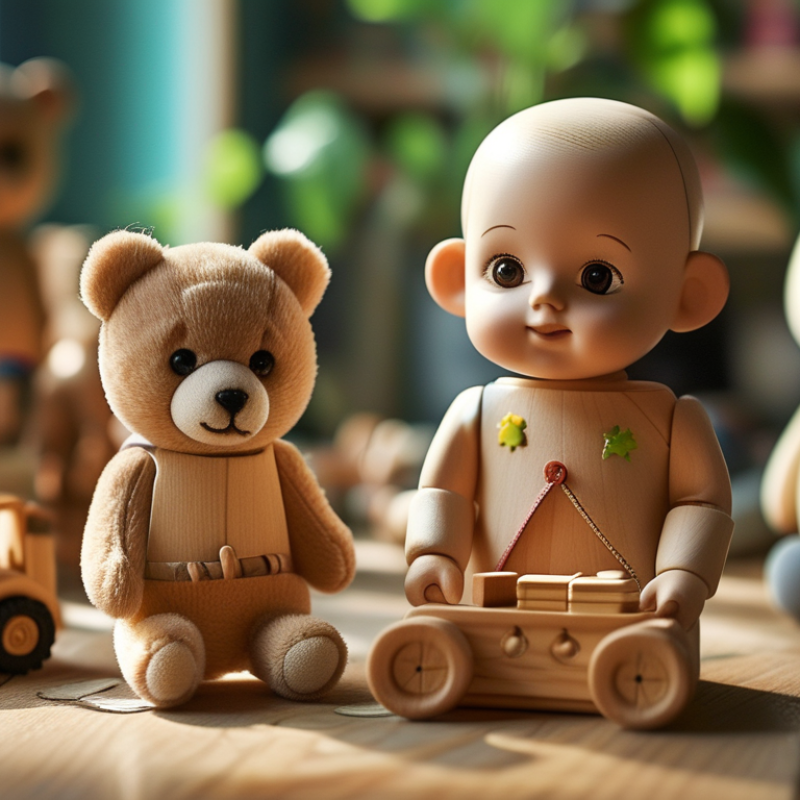
How to Identify Safe Educational Toys for Children?

Identifying Key Safety Standards for Educational Toys

When choosing educational toys, safety should top the list of priorities. Understanding key safety standards is crucial for parents and caregivers. Look for toys that comply with international safety regulations. These include guidelines for material safety, small parts, and durability. Check for materials that are non-toxic and free from harmful chemicals.

Pay attention to warning labels and age recommendations. Toys meant for older children may contain small pieces that are choking hazards for younger kids. Review the packaging. It often provides insight into safety testing and certifications. However, be cautious; not all toys are rigorously tested despite claims.

Visit websites that assess toy safety. Many independent organizations publish reports on toy standards. This helps in understanding what makes a toy safe or unsafe. Observing real-life experiences and reviews can add context too. A toy may seem perfect, yet fail in practical use. Engaging in dialogues about toy safety can also illuminate overlooked aspects. It's vital to reflect on past purchases and learn from them.

Understanding the Importance of Age Appropriateness in Toy Selection

Choosing age-appropriate educational toys is crucial for children's development. Toys meant for specific age groups engage abilities effectively. For instance, infants benefit from toys that stimulate senses. Bright colors and varied textures keep them curious and developing. In contrast, older children thrive on toys that challenge their problem-solving skills.

Parents often overlook this aspect. A toy too complex can frustrate a child, leading to disappointment. There’s also a risk of injury with inappropriate toys. For example, small parts pose choking hazards for toddlers. Assessing the manufacturer’s age recommendations is essential. Look for the guidelines, but also consider your child's individual skills and interests.

It’s not always easy to judge what is suitable. Some children may advance faster than peers, while others may need more time. Observing your child's interactions with different activities can provide insight. Emphasis should be on fostering a love for learning. Selecting toys that reflect their developmental stage boosts confidence and creativity. This process is ongoing and requires attention to adapt to their evolving needs.

Materials Matter: Choosing Non-Toxic and Eco-Friendly Options

When selecting educational toys, materials are crucial. Many toys contain harmful chemicals. These substances can impact a child's health over time. It's essential to choose toys made from non-toxic materials. Look for items made of natural wood, organic cotton, or biodegradable plastics. Such options not only support children's safety but also the environment.

Eco-friendly toys offer an alternative to conventional plastic options. Parents can explore local artisans for handmade items. These toys often use eco-friendly paints or dyes. However, it's important to verify the authenticity of such claims. Some products might mislead consumers. Always check for certifications when purchasing toys.

Consider the longevity of the toy as well. Toys that withstand wear and tear last longer. They can be passed down or recycled. This practice also reduces waste, aligning with sustainable choices. However, not every toy will meet these high standards. Parents should stay aware and regularly reassess their selections.

Examining Play Patterns: Toys that Foster Developmental Skills

When selecting educational toys, understanding play patterns is crucial for fostering developmental skills. According to a report from the American Academy of Pediatrics, play contributes significantly to cognitive, language, and social-emotional development in children. Engaging in activities that require problem-solving can enhance critical thinking skills. For example, blocks or building sets encourage spatial awareness and fine motor skills. These toys not only entertain but also challenge young minds.

Research indicates that open-ended toys, like art supplies or simple vehicles, promote creativity. A study from the University of Delaware found that children who engage with such toys exhibit higher levels of imagination. Their play often reflects real-world scenarios, helping them process their experiences. Some children may not immediately recognize the educational value in these toys, leading to moments of frustration. However, overcoming these challenges can boost perseverance and adaptability.

Understanding that not every child interacts with toys in the same way is essential. Some may prefer solitary play, while others thrive in social settings. Observing these patterns can guide caregivers in selecting toys that will resonate with each child's unique developmental journey. Parents might find themselves reflecting on the variety of play styles in their children, leading to more thoughtful toy choices. Creating an environment rich in diverse play opportunities is what truly supports children's growth.

Identifying Safe Educational Toys: Developmental Skills by Toy Type

This chart illustrates the different types of educational toys and the developmental skills they foster. Building blocks and puzzles are particularly effective in enhancing spatial awareness, while educational games promote cognitive and social skills.

Evaluating Brand Reputation and Safety Certifications in the Toy Industry

When choosing educational toys, evaluating brand reputation is crucial. A strong reputation often reflects a commitment to safety and quality. Look for brands with a history of producing reliable and engaging toys. Research reviews and testimonials from other parents. These insights can provide a clearer picture of the brand's reliability.

Safety certifications play a vital role in ensuring toy safety. Many trusted organizations test toys for harmful substances and structural integrity. Certifications from recognized bodies are indicators of rigorous safety standards. However, not all brands prioritize these checks. It's essential to remain vigilant. Some toys may appear safe but lack proper certifications. Always verify claims made by manufacturers.

Investigate the materials used in toys as well. Non-toxic, eco-friendly options are preferable. Some materials can pose hidden dangers. Stay informed about recalls or safety warnings related to popular toys. This awareness can help parents make better choices. Engaging in discussions with other parents can also uncover valuable information about toy safety.

How to Identify Safe Educational Toys for Children?

Toy Type Age Rating Material Safety Certification Brand Reputation
Building Blocks 3+ Bamboo ASTM F963 High
Puzzle Toys 4+ Wood EN71 Medium
Educational Robots 6+ Plastic CE High
Art Supplies 5+ Non-toxic Plastics AP Certified High
Interactive Books 2+ Recycled Paper ISO 8124 Medium

FAQS

: Why is safety important when choosing educational toys?

: Safety is crucial to protect children's health and prevent accidents.

What should I look for in toy materials?

Choose non-toxic materials like natural wood or organic cotton to ensure safety.

How can I verify a toy's safety certification?

Check for certifications from trusted organizations on the packaging or brand's website.

Why are age recommendations essential for toys?

Age recommendations help prevent choking hazards for younger kids by indicating dangerous small parts.

What role do brand reputations play in toy safety?

A strong reputation often reflects a brand's commitment to quality and safety.

How can I assess the durability of a toy?

Look for toys designed to withstand wear and tear. They should last longer and support sustainability.

What should I be cautious about when reading toy labels?

Not all toys are rigorously tested, even if they claim to meet safety standards.

How can independent evaluation help with toy safety?

Websites that assess toy safety provide insights into actual safety standards and potential risks.

What is the importance of eco-friendly toys?

Eco-friendly toys are safer for children and better for the environment, reducing waste.

How can I learn from past toy purchases?

Reflect on previous selections; consider what worked and what didn't to improve future choices.

Conclusion

When considering how to identify safe educational toys for children, it is essential to start by recognizing key safety standards that govern toy manufacturing. These standards ensure that toys are free from harmful substances and are built to withstand typical use. Additionally, understanding the importance of age appropriateness is crucial; toys should match the developmental stage of the child to maximize both safety and learning potential.

Materials used in toys significantly impact their safety, so opting for non-toxic and eco-friendly options is advisable. Furthermore, examining play patterns can help in selecting toys that foster essential developmental skills, encouraging creativity, problem-solving, and motor skills. Finally, evaluating the reputation of brands and looking for safety certifications can provide added assurance regarding the safety and quality of educational toys. By following these guidelines, parents and caregivers can confidently choose toys that support children's growth while ensuring their well-being.

Madeline

Madeline

Madeline is a dedicated marketing professional with a wealth of expertise in our company's core offerings. With a keen understanding of the industry, she brings a unique perspective to her role, consistently delivering high-quality content that highlights the superior aspects of our products. As......