Encouraging Learning Through Play in 2026 Top Strategies?

Time:2026-07-16 Author:Oliver
0%

In today's educational landscape, the concept of "how to encourage learning through play" has gained significant traction. A 2023 report by the National Association for the Education of Young Children (NAEYC) highlights that playful learning can enhance cognitive and social skills in children. Experts agree that engaging children through play fosters deeper understanding and retention of knowledge. Dr. David Elkind, a well-known child development expert, emphasizes, "Play is not a luxury; it is a necessity for children’s learning and development."

Despite the clear benefits, many educators still struggle to implement effective play-based strategies. The learning environment often prioritizes structured instruction over playful activities. This can lead to missed opportunities for creativity and critical thinking. However, research reveals that incorporating play can lead to a 30% increase in problem-solving skills among preschoolers.

As we look toward 2026, it is crucial to reflect on the balance between traditional and innovative teaching methods. Embracing play not only enriches academic experiences but also nurtures emotional well-being. Schools must consider how to adequately support learning through play, ensuring that all children have access to its benefits.
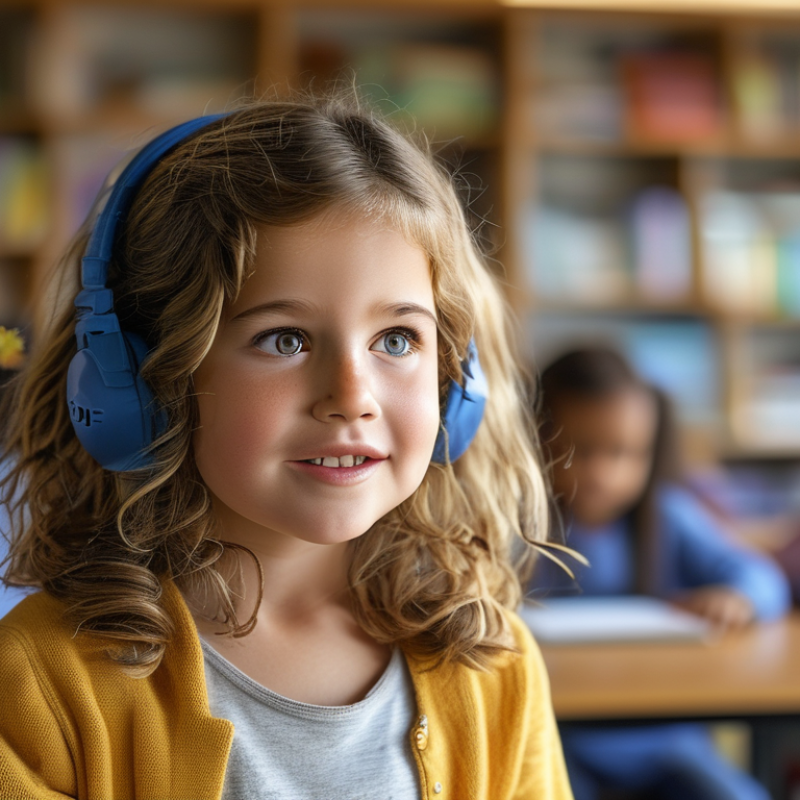
Encouraging Learning Through Play in 2026 Top Strategies?

Encouraging Learning Through Play: An Overview of Current Trends in 2026

In 2026, encouraging learning through play has become essential in educational settings. Educators embrace various strategies to foster engagement. Hands-on activities are vital. They allow students to explore concepts in exciting ways. For instance, building simple machines using everyday materials can spark curiosity among students. This method not only makes learning fun but also reinforces scientific principles.

Moreover, collaboration plays an important role. Group activities promote social skills and build community. Students learn from each other, navigating challenges together. This peer interaction often leads to unexpected insights and deeper understanding. However, ensuring that each child's voice is heard can sometimes be difficult. Some may dominate conversations, which can stifle quieter students.

Digital play also emerges as a noteworthy trend. Online platforms offer interactive learning experiences, blending technology and creativity. Yet, reliance on screens can be worrisome. Finding the right balance between digital and physical play poses a challenge. As educators adapt, the focus must remain on genuine engagement and meaningful experiences.

Impact of Play-Based Learning on Child Development: Key Research Findings

Play-based learning fosters essential skills in children, acting as a powerful tool for development. According to the American Academy of Pediatrics, play enhances cognitive, social, and emotional growth. Research shows that engaging in play encourages problem-solving and critical thinking abilities. Children who participate in play-based learning tend to develop better language skills. A study published in the "Journal of Educational Psychology" found language development improves by 22% in children engaged in play.

Creating an enriching play environment is key. Here are some tips:

- Incorporate open-ended toys. This boosts creativity and allows children to explore various scenarios.
- Include both indoors and outdoors spaces for diverse play experiences. Nature can enhance sensory engagement, helping children connect with their surroundings.
- Encourage collaboration through group projects. Working with peers builds communication skills and teamwork.

Despite the clear benefits, some educators struggle to integrate play into structured curricula. Balancing academic requirements with play can be challenging. Reflecting on this, some schools have begun reassessing how they value play in their programs. It reinforces the fact that while transitioning to a play-centric approach poses hurdles, the long-term benefits are undeniable.

Implementation Strategies for Play in Educational Settings: Best Practices

In 2026, encouraging learning through play has become pivotal in education. Educators now understand that play is not just entertainment; it fosters creativity and problem-solving skills. Effective implementation strategies support this shift. First, integrating play into daily routines can increase engagement. Teachers can use story-based games that challenge students to think critically while having fun. Simple role-playing can also bring lessons to life, making abstract concepts tangible.

Cooperative games promote teamwork and communication. In these activities, children learn to collaborate and negotiate. However, challenges arise when balancing structured play with education. Educators must be trained to guide the experiences effectively. Not every play scenario will yield desirable learning outcomes. Reflection on these experiences is essential. Teachers should discuss what worked and what didn’t after each session. Continuous adjustment ensures that play remains purposeful within educational settings. This cyclical process enhances the learning experience, ultimately maximizing the benefits of play.

Measuring Success: Metrics for Evaluating Play-Based Learning Outcomes

Measuring success in play-based learning requires clear metrics. Educators must assess various outcomes. Observational tools can track engagement levels. They shine light on how much children interact during play. Not all children respond equally. Some may excel while others struggle.

Qualitative assessments are equally important. Feedback from parents and teachers can reveal insights. Consider surveys that ask parents about changes in children's behavior. Anecdotal evidence often provides rich details. It can show growth in social skills and emotional development. Observations alone may miss these nuances.

Quantitative data also plays a role. Standardized tests can measure academic progress. Yet, the challenge lies in ensuring these tests align with play-based goals. Finding a balance between structured assessment and playful exploration is crucial. A reflective approach can highlight gaps in current evaluation methods. It invites educators to rethink what success truly means in play-based environments.

Future Directions: Innovations in Play for Enhancing Education by 2026

In 2026, the landscape of education will see innovative approaches, particularly in learning through play. Research indicates that play-based learning can enhance cognitive skills and emotional development. A recent study from the National Association for the Education of Young Children (NAEYC) reveals that children engaged in play can improve problem-solving skills by 30%. This supports the belief that play is not merely leisure but an essential component of education.

One exciting innovation is integrating technology with play. Virtual reality (VR) can create immersive learning environments that are engaging. Data from the International Society for Technology in Education shows that 75% of educators believe VR enhances interactive learning. However, reliance on technology raises questions about screen time and its effects. Finding a balance is crucial for effective learning.

Tips: Establish a routine that mixes traditional learning with play-based activities. Encourage outdoor play to enhance creativity and reduce screen time. Monitor children's engagement to ensure they benefit from both play and academic activities. Remember, the goal is to make learning enjoyable while fostering essential skills. With the right strategies, education in 2026 could become a vibrant blend of exploration and knowledge.

Encouraging Learning Through Play in 2026 Top Strategies

Strategy Purpose Target Age Group Expected Outcome
Gamification Increase engagement and motivation 6-12 years Improved learning retention
Creative Play Spaces Encourage exploration and creativity 3-8 years Enhanced problem-solving skills
Collaborative Learning Games Foster teamwork and communication 8-16 years Better social skills and collaboration
Role-Playing Activities Develop empathy and interpersonal skills 5-10 years Increased emotional intelligence
Technology-Enhanced Learning Tools Integrate digital play into learning 10-16 years Higher engagement with subjects

FAQS

: What is the significance of play in education?

: Play is essential in education. It fosters engagement and allows students to explore concepts in creative ways.

How does collaboration enhance learning?

Collaboration promotes social skills and builds community. Students learn from peers, leading to deeper understanding.

What are the challenges of group activities?

Some children may dominate discussions, affecting participation from quieter ones. This can hinder a balanced exchange of ideas.

How does digital play impact learning?

Digital play offers interactive experiences, but excessive screen time poses concerns. Balance is needed between digital and physical activities.

What are the benefits of play-based learning?

Play-based learning boosts cognitive, social, and emotional growth. It encourages problem-solving and critical thinking in children.

How can educators create enriching play environments?

Use open-ended toys and diverse spaces. Encourage collaboration through group projects to enhance creativity and communication skills.

What metrics are used to measure play-based learning success?

Observational tools track engagement levels. Qualitative feedback from parents adds depth beyond mere observations of behaviors.

What is a key challenge in assessing play-based learning?

Balancing academic requirements with play integration can be difficult. Educators often need to reassess how they value play in curricula.

Why is reflection important in play-based learning?

Reflective approaches help identify gaps in current assessments. They encourage rethinking what success means in playful contexts.

What role do standardized tests play in evaluating play-based learning?

Standardized tests measure academic progress but may not align with play-based goals. Ensuring this balance is crucial for effective assessment.

Conclusion

The article "Encouraging Learning Through Play in 2026 Top Strategies" provides a comprehensive overview of the evolving landscape of play-based learning. It begins by discussing current trends that highlight the importance of how to encourage learning through play, emphasizing that play is not just a leisure activity but a vital component of child development. Key research findings underscore the significant impact of play-based learning on cognitive, social, and emotional growth in children.

Additionally, the article outlines best practices for implementing play in educational settings, offering practical strategies that educators and parents can adopt to create enriching learning environments. Metrics for evaluating the outcomes of play-based learning are also discussed, providing insights into how to measure success effectively. Finally, it looks toward the future, suggesting innovative approaches that could further enhance education through play by 2026, reinforcing the ongoing importance of this method in fostering a love for learning.

Oliver

Oliver

Oliver is a seasoned marketing professional with a wealth of expertise in driving brand awareness and engagement. With a deep understanding of our company's product offerings, he consistently delivers high-quality content that enriches our professional blog. His insights not only shed light on......