What Should Parents Look For in Educational Toys for Kids?

Time:2026-06-27 Author:Amelia
0%

When it comes to choosing educational toys for children, parents often wonder what to prioritize. Renowned child development expert Dr. Emily Chen emphasizes the importance of selecting toys that foster creativity and critical thinking skills. She states, "Educational toys should inspire children to explore and learn, while also being fun." This highlights the delicate balance parents must strike between learning and play.

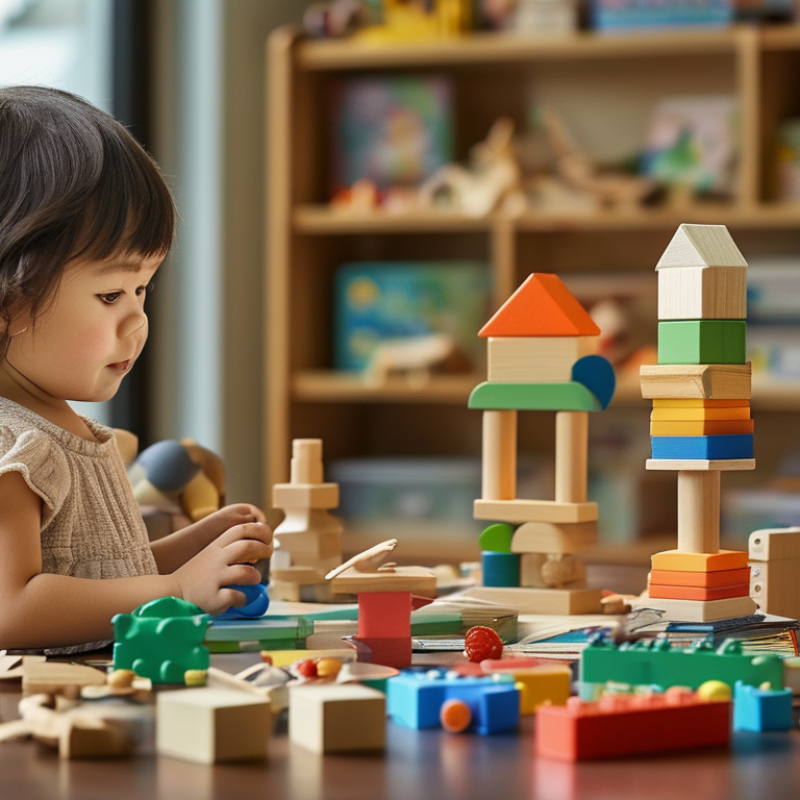
What should parents look for in educational toys? Key factors include safety, age-appropriateness, and engagement level. Parents need to read labels carefully and avoid toys with small parts for younger children. Furthermore, toys should encourage hands-on exploration, making learning an enjoyable experience. For instance, building blocks can develop spatial awareness, while art supplies can unleash a child's imagination.

Yet, the market is flooded with choices. Not every toy labeled as "educational" delivers on its promise. Parents may face the challenge of distinguishing quality products from gimmicks. Critical research and understanding a child's interests is essential for making informed decisions. Reflect on past purchases—did they truly support your child’s development? Addressing these concerns can lead to better choices and ultimately, a brighter learning experience.
What Should Parents Look For in Educational Toys for Kids?

Key Developmental Skills Enhanced by Educational Toys

When selecting educational toys for kids, parents should focus on toys that foster key developmental skills. Research shows that interactive play enhances cognitive abilities, such as problem-solving and critical thinking. According to a report by the American Academy of Pediatrics, engaging activities can improve motor skills, which are essential during early childhood.

One important area is social skills. Toys that encourage group play help kids learn cooperation and communication. For example, building sets or games promote teamwork. The National Association for the Education of Young Children (NAEYC) highlights that collaborative play significantly boosts emotional intelligence.

**Tip:** Look for toys that encourage creativity. Open-ended play options allow children to explore their imagination.

Additionally, sensory toys are vital. They enhance sensory processing skills, which play a crucial role in a child's development. Toys that involve textures, sounds, or colors stimulate various senses. A report from Zero to Three emphasizes that sensory experiences are beneficial for brain development.

**Tip:** Choose toys with diverse textures and features. This variety can lead to richer play experiences.

Keep in mind that while many toys claim educational benefits, it's essential to assess their engagement quality and development alignment. Not all popular toys provide substantial learning outcomes. Parents should focus on finding toys that offer both fun and educational value.

What Should Parents Look For in Educational Toys for Kids?
Developmental Skill Description Examples of Toys
Cognitive Skills Enhances problem-solving abilities and critical thinking. Puzzles, logic games
Motor Skills Improves hand-eye coordination and fine motor skills. Building blocks, art kits
Social Skills Encourages teamwork, sharing, and communication. Board games, role-play sets
Language Skills Boosts vocabulary and verbal communication. Storybooks, language learning toys
Emotional Skills Fosters emotional intelligence and empathy. Emotion cards, dolls

Age Appropriateness: Matching Toys to Your Child's Development Stage

When selecting educational toys for children, age appropriateness is crucial. Toys should align with a child’s developmental stage, which supports their learning effectively. For toddlers, simple, colorful shapes stimulate basic motor skills. As they grow, interlocking blocks enhance problem-solving abilities.

Choosing perplexing toys that are too advanced can lead to frustration. It's important to assess if the toy matches their cognitive level. For preschoolers, consider puzzles or art supplies, encouraging creativity and fine motor skills. Yet, some parents might overlook the value of open-ended play.

Tips: Observe your child’s interactions with toys. Are they engaged and learning? If frustration arises, consider simpler options. Also, rotating toys keeps interest alive. Provide a mix of structured and unstructured play opportunities, fostering a balanced learning environment.

What Should Parents Look For in Educational Toys for Kids?

Material Safety: Ensuring Non-Toxic and Durable Toy Choices

When selecting educational toys for children, material safety is paramount. Parents should prioritize non-toxic materials. Look for toys made from natural woods, certified plastics, and organic fabrics. These choices minimize exposure to harmful chemicals. Toys that meet safety standards often have clear labeling. Checking for certifications can build confidence in the product's safety.

Durability is another crucial factor. Kids are naturally curious and can be rough with their toys. Well-made toys last longer, reducing the need for replacements. This approach saves money and minimizes waste. Some parents might overlook this, leading to a cycle of buying inferior toys that cannot withstand play. Keep an eye out for faded colors or weak structures, as these may signal a need for better options.

It’s also wise to consider the age appropriateness of the toy. A toy meant for older children may have small parts that are a choking hazard. Parents may want to buy toys that last beyond a season, but safety must come first. Making informed choices can ensure a stimulating and safe play environment for kids. Taking these steps fosters both fun and learning, contributing positively to their development.

Engagement and Interaction: Importance of Active Learning Tools

When selecting educational toys, parents should prioritize engagement and interaction. Active learning tools stimulate children's minds. These toys encourage kids to explore, discover, and create. They support hands-on experiences, which foster deeper understanding. Look for toys that involve problem-solving and critical thinking. Simple puzzles or building blocks can ignite curiosity.

Consider the importance of sensory experiences as well. Toys with different textures and sounds capture attention. Children learn through play, and engaging toys encourage exploration. A shy child may open up with the right tool. This interaction is invaluable for building social skills. Active learning tools create opportunities for collaboration and communication with peers.

Reflecting on past choices can enhance future selections. Sometimes, a toy may not engage as expected. Parents can think about why it didn't work. Was it too complex? Or perhaps too simple? Understanding these dynamics helps refine future decisions. The right educational toys can significantly impact a child's development. Strive to choose those that foster engagement and interaction.

Versatility and Adaptability: Toys that Grow with Your Child's Interests

When selecting educational toys for children, versatility and adaptability should be top priorities. Toys that can transform with your child's interests promote continuous engagement. For example, a building set that allows for multiple configurations can inspire creativity. As your child grows, they may shift from simple constructions to complex designs. This evolution is crucial for nurturing problem-solving skills.

Consider toys that encourage exploration in various areas. A musical instrument can foster an early love for music while also promoting fine motor skills. As children develop, they might delve deeper into music theory and composition. Such toys do not just gather dust; they evolve. However, parents should avoid toys that are too specific or rigid in their function.

It's important to reflect on your child's changing interests. What fascinates them today may not captivate them tomorrow. A versatile toy can adapt to these changes, reducing waste and saving money. Toys should challenge children yet remain accessible. Balancing difficulty and enjoyment can be tricky. Strive for toys that encourage creativity and growth, embracing the imperfect journey of parenting.

FAQS

: What should parents consider when choosing educational toys?

: Parents should focus on toys that enhance developmental skills, engagement, and interaction.

How do educational toys affect cognitive development?

Interactive play boosts problem-solving and critical thinking abilities in children.

Why are social skills important in toy selection?

Toys that promote group play teach kids cooperation and communication, essential for emotional intelligence.

What role do sensory toys play in development?

Sensory toys enhance processing skills through varied textures, sounds, and colors, benefiting brain development.

What are some tips for selecting engaging toys?

Look for toys that encourage open-ended play and problem-solving to stimulate creativity and curiosity.

How can parents reflect on their toy choices?

Parents should evaluate if previous toys engaged their child. Understanding why a toy failed can improve future selections.

Why is versatility important in educational toys?

Versatile toys adapt to children's changing interests, promoting ongoing engagement and reducing waste.

How can toys support a child's growth?

Continuous use of adaptable toys can foster creativity and development across various skills and interests.

What challenges might parents face when choosing toys?

Balancing a toy's difficulty and enjoyment level can be tricky, requiring careful consideration.

Are all popular toys beneficial for learning?

Not all popular toys provide substantial educational value; assess engagement quality critically.

Conclusion

When considering what should parents look for in educational toys, it is essential to focus on several key aspects that promote a child's development. First, parents should evaluate the developmental skills enhanced by the toys, ensuring they are appropriate for their child's age and developmental stage. This approach allows for targeted learning experiences that align with their growth.

Additionally, material safety is crucial, as parents must select non-toxic and durable toys to ensure their child's safety during play. Engaging and interactive toys encourage active learning, fostering curiosity and critical thinking. Lastly, versatility and adaptability in educational toys ensure they can grow with the child’s interests, providing long-lasting value and ongoing educational opportunities. Overall, by focusing on these elements, parents can make informed choices that support their child's development while ensuring an enjoyable play experience.

Amelia

Amelia

Amelia is a seasoned marketing professional with a wealth of expertise in our company’s core offerings. With an unwavering passion for driving growth and innovation, she plays a pivotal role in shaping our marketing strategies and enhancing brand visibility. A key aspect of her responsibilities......