In an age where playtime is often digital, many parents wonder, "what skills can educational toys develop?" These toys can ignite a child's curiosity and creativity. They blend fun with learning, helping children grasp essential skills early on.
Educational toys encourage both cognitive and physical development. For instance, building blocks enhance spatial awareness and fine motor skills, while puzzles promote problem-solving abilities. Children engage in hands-on experiences, which can lead to better retention of information.
However, not every toy holds educational value. Parents must critically assess toys, considering how they align with their child's growth. It is worth reflecting on whether the toys chosen truly foster learning and engagement. The right educational toy can make a significant difference in a child’s development journey.
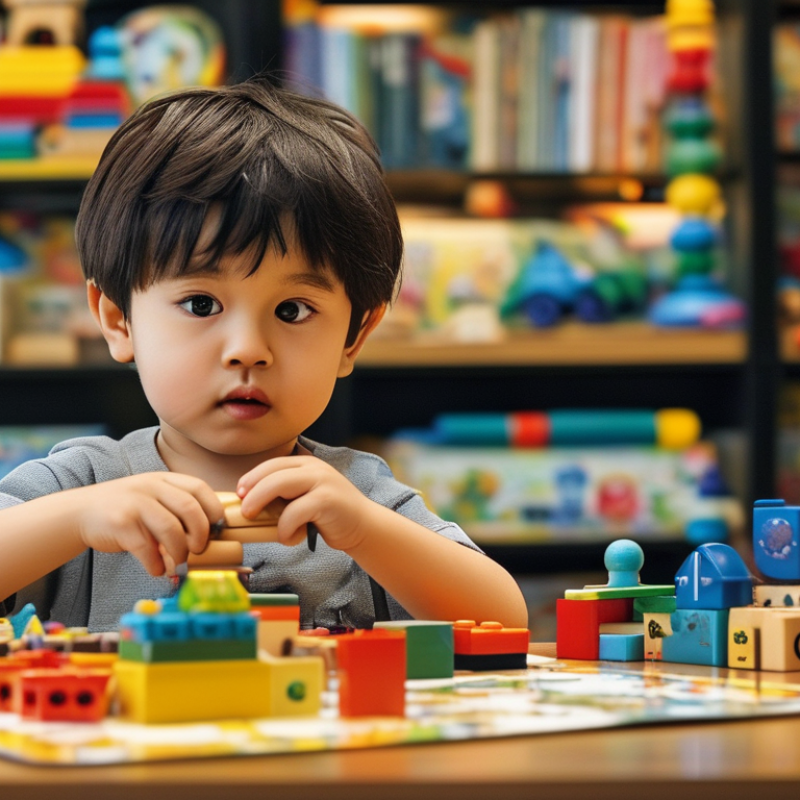
Educational toys can significantly enhance various skills in children. For example, building blocks can improve fine motor skills and spatial awareness. These toys encourage children to experiment with balance and structure, often leading to creative outcomes. Simple puzzles can develop problem-solving skills, as children learn to find solutions through trial and error.
Tips: Encourage children to play independently. This fosters self-confidence and decision-making. Observe their play and ask open-ended questions. This can enhance their critical thinking skills.
Another type of educational toy is role-play sets, like kitchen or doctor kits. These toys help develop social skills. Children learn to communicate, share, and collaborate with peers during pretend play. Creative arts and crafts supplies can foster imagination and expressiveness.
Tips: Provide a variety of materials. Let children lead their projects. Allowing mistakes can teach resilience. Reflect on how they solve challenges during play.
Educational toys play a significant role in cognitive skills development among children. These toys encourage problem-solving and critical thinking from a young age. Puzzles and building blocks foster spatial awareness and reasoning. Children learn to identify shapes and patterns, enhancing their analytical abilities.
Interactive toys can stimulate memory and attention. For instance, memory games require children to recall positions and images. This sharpens their memory retention skills over time. However, it's essential to balance play to avoid overwhelming them with too many options. Too many choices can lead to frustration instead of learning.
Moreover, educational toys should promote creativity. Art supplies and construction sets allow children to express their imagination. Children might struggle with initial attempts but will grow through trial and error. Fostering a safe space for exploration is vital. Kids need to encounter challenges to develop resilience and adaptability.
Interactive play with educational toys significantly promotes social and emotional growth in children. According to research from the American Academy of Pediatrics, 70% of a child's learning occurs through play. By engaging with toys that require cooperation, such as building blocks or puzzles, children learn to communicate and collaborate. They also develop empathy, understanding the feelings of their peers. Studies show that children who engage in cooperative play exhibit better emotional regulation than those who do not.
When children play together, they navigate conflicts and make joint decisions. This process is crucial in teaching negotiation skills. Children learn that compromise is essential in a social setting. However, not all interactions are smooth. Disagreements may arise, providing an opportunity for personal reflection and growth. According to the University of California, playing in groups enhances conflict resolution skills by 40%.
Tip: Encourage children to share their favorite toys and explain why they enjoy them. This practice can help develop their ability to express emotions.
Moreover, parents can facilitate play experiences by introducing varied scenarios. For instance, role-playing activities can help children step into others’ shoes. It helps them understand diverse perspectives, enhancing their emotional intelligence. Remember, it's not always about winning; it's about learning through interactions.
Tip: Join in their play occasionally. Your involvement can model positive social behaviors and support their emotional growth.
| Skill Area | Developmental Benefits | Examples of Toys |
|---|---|---|
| Social Skills | Encourages sharing, teamwork, and communication | Board games, role-play sets |
| Emotional Regulation | Promotes understanding and managing emotions | Emotion dolls, interactive storybooks |
| Problem-Solving | Enhances critical thinking and decision-making skills | Puzzle games, construction sets |
| Creativity | Fosters imagination and innovative thinking | Art supplies, building blocks |
| Conflict Resolution | Teaches negotiation and compromise | Interactive games, team-based challenges |
Hands-on educational toys play a crucial role in developing motor skills in children. According to the American Academy of Pediatrics, engaging in play activities enhances dexterity and coordination. Toys like building blocks and sorting games require children to use their hands actively. This not only fosters fine motor skills but also reinforces brain connections responsible for learning.
Research indicates that children who engage with these types of toys show a 30% improvement in hand-eye coordination by age five. Children learn to manipulate objects, which is fundamental in tasks like writing or using utensils. However, not all toys stimulate these skills equally. Parents should look for toys that encourage creativity and active problem-solving.
While many educational toys promise skill development, it’s essential to acknowledge that not every child will respond the same way. Some may require more time or different types of toys. Assessing each child’s unique interests and needs is vital to fostering their growth effectively. Balancing guided play with independent exploration can lead to better outcomes in motor skill enhancement.
Educational toys play a crucial role in developing
creative thinking and problem-solving skills in children.
Engaging with these toys requires kids to explore, experiment, and think creatively. When children manipulate
building blocks, they visualize structures. This hands-on experience
fosters their imagination. They learn that there are multiple solutions
to a problem, enhancing their ability to think outside the box.
Tips: Encourage open-ended play with
toys that do not have a specific outcome. This gives children the freedom to explore their ideas without pressure.
Allow them to make mistakes and find solutions independently. This process is essential for building
self-confidence and resilience.
As children interact with these toys, they may struggle at times. It's important to let them confront these challenges.
For instance, if a child cannot fit a piece into a puzzle, they will need to rethink their approach. This
trial-and-error process cultivates patience
and a growth mindset. A little frustration can be a powerful teacher.
: Educational toys enhance various skills in children, encouraging learning through play.
Building blocks improve fine motor skills and spatial awareness through balance and creative structure building.
Simple puzzles develop problem-solving skills by encouraging children to find solutions through trial and error.
Role-play sets allow children to communicate and collaborate with peers, enhancing their social interactions.
Allowing mistakes teaches resilience and encourages children to reflect on problem-solving challenges.
Open-ended play fosters creativity and gives children freedom to explore ideas without pressure.
Yes, facing challenges cultivates patience and a growth mindset essential for personal development.
Parents should observe and ask open-ended questions to enhance critical thinking and self-confidence.
Hands-on experiences with toys help children visualize and discover multiple solutions to problems.
A little frustration can teach valuable lessons, fostering resilience and a willingness to rethink approaches.
Educational toys play a crucial role in shaping various skills in children. The types of these toys are designed to target specific developmental areas, such as cognitive, social, emotional, motor, and creative skills. For instance, puzzles and building blocks can enhance cognitive skills by encouraging problem-solving and critical thinking. Interactive toys promote social and emotional growth, as children learn to communicate, share, and engage in cooperative play.
Moreover, hands-on educational toys significantly boost motor skills through physical interaction, while arts and crafts materials stimulate creative thinking and innovative problem-solving abilities. In summary, understanding what skills can educational toys develop helps parents and educators select the right tools to support a child's holistic development, ensuring they acquire essential skills for their future.
