Choosing the right educational toys for kids can be a daunting task for parents. The variety of options available often leads to confusion. Dr. Jane Thompson, an expert in child development, emphasizes that "what makes a good educational toy is its ability to engage a child's imagination and curiosity." This statement highlights the critical elements that parents should consider.
A truly effective educational toy nurtures creativity. It encourages children to explore and experiment. For instance, building blocks can teach spatial awareness and fine motor skills. However, not all toys promote these skills equally. Some may simply entertain without providing educational value. It’s essential to be selective.
Parents should look for toys that adapt to different age levels. This allows for prolonged engagement as children grow. In a world full of flashy gimmicks, simple toys often provide the most learning opportunities. Reflecting on their choices can help parents find toys that truly benefit their children.
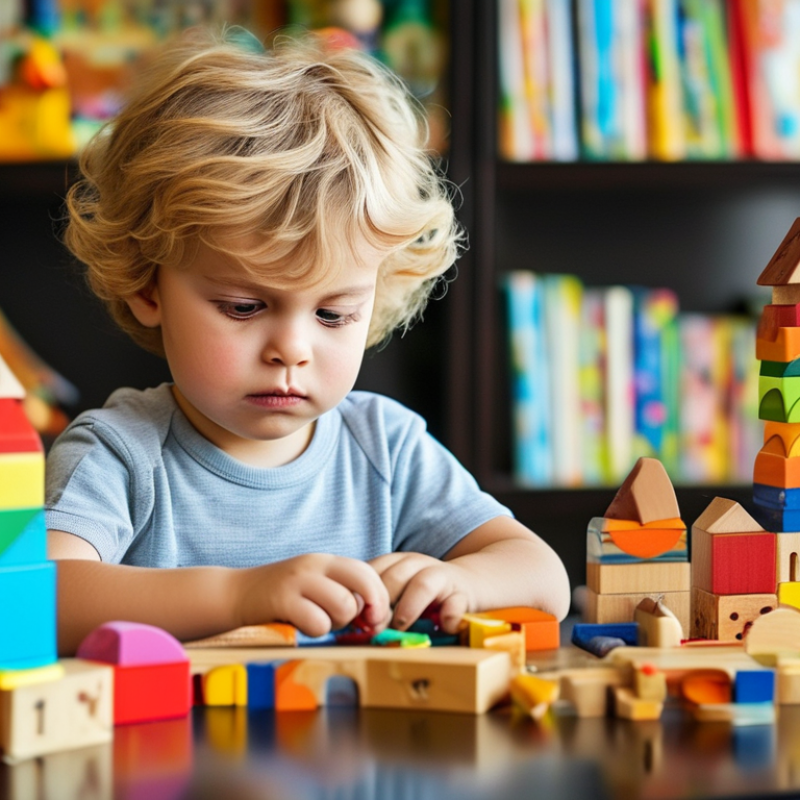
Understanding the Importance of Educational Toys for Child Development
Educational toys play a crucial role in child development. According to a report by the American Academy of Pediatrics, these toys can enhance cognitive skills, motor skills, and social interactions. Research indicates that children who engage with educational toys are 20% more likely to develop problem-solving skills by age five. This emphasizes the value of these resources in early childhood.
When selecting toys, consider their developmental appropriateness. Toys should challenge children but also match their abilities. For example, puzzles can improve spatial awareness. Creative play, such as building blocks, fosters imagination. Yet, many parents overlook the importance of balance. Selecting toys that are too advanced may lead to frustration.
Furthermore, educational toys should encourage social play. Collaboration and communication are essential skills for life. A report from the National Association for the Education of Young Children highlights that shared playtime can boost language development by 30%. However, not every toy facilitates this. It’s essential to evaluate whether a toy encourages group interaction. Parents should reflect on their choices and ask: Does this toy promote growth and connection?
Identifying Age-appropriate Toys for Different Developmental Stages
Choosing age-appropriate educational toys is crucial for children's development. Different ages require different types of play to foster growth. Infants thrive on toys that stimulate their senses, like soft blocks or rattles. These toys enhance their motor skills and curiosity.
Around 2 to 3 years, children benefit from interactive toys that encourage problem-solving. Puzzles and simple building sets can ignite their imagination.
As kids grow, their needs change. Preschoolers enjoy toys that support social skills and creativity. Art supplies, role-play sets, and collaborative games help them interact with peers. At this stage, it's important to let children explore their interests. However, parents sometimes struggle with over-choosing. It’s okay to select fewer high-quality toys rather than overwhelm them with options.
For school-aged children, consider toys that develop logic and critical thinking. STEM kits and board games can be effective. Yet, not every toy will suit every child; individual interests vary. Allowing children to express preferences is vital. Reflect on this: Are you choosing toys for your child, or are you projecting your interests onto them? This mindful approach ensures the chosen toys genuinely contribute to your child's growth.
Evaluating the Learning Objectives of Educational Toys
When selecting educational toys, it's crucial to consider their learning objectives. What skills do these toys help develop? Look for toys that promote critical thinking and problem-solving. For instance,
puzzles engage spatial awareness and logical reasoning. You might also find building blocks beneficial for creativity and fine motor skills.
As you assess these toys, reflect on the age appropriateness. Some toys may claim to support various skills, but they might not suit every child's developmental stage. Observe how your child interacts with the toy.
Is it engaging or overwhelming? Toys that provide gradual challenges may be more successful in sustaining interest.
Another point to ponder is the balance between fun and education. A toy should spark joy while promoting learning. However, some toys may prioritize entertainment over educational value.
Regularly evaluate whether the toy meets learning goals. This could mean revisiting certain toys as interests and skills evolve.
Stay engaged with your child during playtime and encourage discussions about what they are learning through their toys.
Assessing Safety Standards and Material Quality of Toys
When selecting educational toys for children, safety standards and material quality are paramount. Reports from the American Academy of Pediatrics indicate that over 200,000 children visit emergency rooms annually due to toy-related injuries. Parents should closely examine labels for safety certifications like ASTM and EN71. These standards ensure toys are tested for choking hazards, chemical safety, and overall durability.
Choosing the right materials is equally vital. BPA-free plastics and non-toxic paints should be prioritized. A study from the Toy Industry Association highlights that children often explore toys via touch and taste. Thus, selecting toys made from safe, high-quality materials protects their health while fostering learning.
Consider these tips: always look for age-appropriate toys, as they are designed with specific developmental milestones in mind. Also, seek advice from child development experts who can recommend best practices in choosing toys. Don’t overlook the importance of checking for sharp edges or small parts, which could pose risks. Most importantly, engage with your child's interests to enhance their learning experience through play.
Considering Interactive Features to Enhance Engagement and Learning
When selecting educational toys for kids, interactive features can significantly enhance their engagement and learning. Research from the American Academy of Pediatrics indicates that hands-on experiences promote cognitive development. Toys with interactive elements encourage kids to explore. They foster problem-solving skills and creativity.
Features such as touch-sensitive surfaces, sounds, and responsive actions captivate children’s attention. According to a report by the Toy Association, interactive toys can increase a child's understanding of cause-and-effect relationships. This foundational aspect of play is crucial for developing critical thinking skills. Yet, not all interactive toys spark curiosity. Parents should assess engagement levels during playtime.
Investing in educational toys can be tricky. Some toys might seem engaging but lack educational value. Observing children's reactions is vital. Are they simply distracted or actively learning? It's essential for toys to offer a balance of fun and learning. Interactive features, when chosen wisely, can enrich a child's play experience and support their developmental milestones.
FAQS
: Educational toys enhance cognitive skills, motor skills, and social interactions. They aid problem-solving development especially before age five.
Choose toys that match your child’s developmental stage. Babies need sensory toys; preschoolers need social and creative play items.
Toys that encourage collaboration and communication enhance social skills. Shared playtime can improve language development significantly.
Look for safety certifications like ASTM and EN71. These ensure toys are safe from choking hazards and chemical risks.
Choose BPA-free plastics and non-toxic paints. Ensuring quality materials protects your child's health and supports safe exploration.
Overwhelming children with options can lead to frustration. Fewer high-quality toys allow them to focus and explore effectively.
Yes, letting children express their interests ensures chosen toys genuinely support their growth and development.
Parents often project their interests onto their children, which can influence toy selection. Reflect on your choices regularly.
Observe their play patterns and interests. Are the chosen toys engaging them? Adjust selections based on their responses.
Many overlook the balance between challenge and ability. Toys that are too advanced can frustrate rather than inspire.
Conclusion
When selecting the best educational toys for kids, it's essential to understand what makes a good educational toy. These toys should support child development by being age-appropriate, catering to various developmental stages. It's crucial to evaluate the learning objectives associated with each toy to ensure they align with the child's educational needs. Safety standards and material quality should also be assessed, as these factors contribute to the overall value and usability of the toy.
Moreover, considering interactive features can significantly enhance engagement and learning, making the experience more enjoyable and effective for children. By keeping these factors in mind, parents and caregivers can choose toys that not only entertain but also contribute to the child's growth and development in meaningful ways.

 Toym Toy