In today’s fast-paced world, developing problem-solving skills is essential for children. Parents and educators are always on the lookout for effective ways to cultivate these abilities. How educational toys improve problem solving skills is a question gaining attention. Educational toys are not just fun and games; they are tools that can enhance cognitive development.
These toys encourage children to think critically and creatively. For instance, building blocks can inspire kids to experiment with balance and structure. Puzzles challenge young minds to solve problems logically and methodically. However, not all toys are equally beneficial. Choosing age-appropriate and engaging options is crucial. Some toys may seem simple but can open doors to complex thinking.
Moreover, parents play a vital role in the learning process. Engaging with children during playtime can amplify the educational experience. Yet, it's important to allow kids the freedom to explore independently. This balance can lead to both success and frustration. Embracing this journey helps children learn resilience while honing their problem-solving skills.
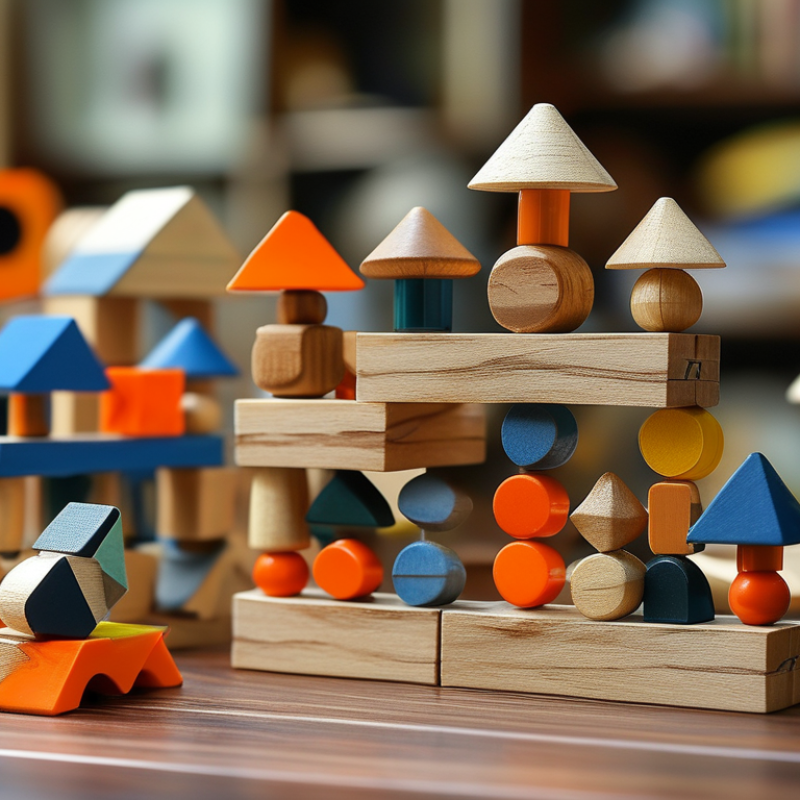
Educational toys are designed to facilitate learning and skill development. They engage children in hands-on, interactive experiences. These toys promote critical thinking and creativity. By encouraging problem-solving, they lay a foundation for future learning and success.
The importance of educational toys in skill development cannot be overstated. They stimulate cognitive growth and enhance fine motor skills. Children learn to think critically and solve challenges. Such toys often require multiple steps, which can be frustrating at times. This struggle can promote resilience, teaching kids to persevere despite difficulties. Through trial and error, they learn that mistakes are part of the process.
Moreover, educational toys can foster social skills. They often require collaboration with peers or family members. This interaction helps children develop communication skills and teamwork. However, it's essential to strike a balance between play and screen time. Over-reliance on technology can hinder hands-on learning experiences. Parents should choose toys wisely to ensure they support meaningful development.
Educational toys play a vital role in nurturing problem-solving skills in children. They encourage exploration, experimentation, and critical thinking. Through engaging activities, children learn to assess situations and devise solutions. For example, puzzles help kids recognize patterns and develop spatial awareness. This enhances their logical reasoning over time.
Hands-on activities foster creativity and innovation. Building sets allow children to create structures, working through challenges that arise. Sometimes, they may struggle with balance or stability. This requires patience and adaptability, key components of problem-solving. Parents should not always step in; allowing children to find solutions independently promotes confidence.
Another aspect is teamwork. Many educational toys are designed for group play. Collaborative tasks help kids negotiate, share ideas, and reach consensus. Through shared challenges, they also learn to empathize with teammates. However, conflicts may arise during play, leading to frustration. Addressing these moments can teach children valuable conflict-resolution skills, essential for future interactions.
| Toy Name | Age Range | Key Skills Enhanced | Type of Problem Solving |
|---|---|---|---|
| LEGO Building Sets | 4+ | Critical Thinking, Creativity | Spatial Problem Solving |
| Puzzle Games | 3+ | Analytical Thinking, Patience | Logical Problem Solving |
| Robotics Kits | 8+ | Technical Skills, Teamwork | Engineering Problem Solving |
| Logic Games | 6+ | Strategic Thinking, Decision Making | Strategic Problem Solving |
| Science Experiment Kits | 5+ | Curiosity, Experimentation | Experimental Problem Solving |
| Board Games | 8+ | Social Skills, Negotiation | Collaborative Problem Solving |
| Math Manipulatives | 5+ | Numerical Reasoning, Logical Thinking | Mathematical Problem Solving |
| Craft Kits | 4+ | Creativity, Fine Motor Skills | Creative Problem Solving |
| Outdoor Exploration Sets | 6+ | Observation, Risk Assessment | Environmental Problem Solving |
| Memory Card Games | 3+ | Memory Skills, Concentration | Cognitive Problem Solving |
When selecting educational toys for children, certain criteria can enhance their problem-solving skills. Look for toys that promote critical thinking. Puzzles and building blocks engage children in creative ways. They learn to analyze, experiment, and adjust their strategies. Toys should also encourage open-ended play. This allows children to explore different solutions and approaches.
Tip: Always consider a toy's versatility. A single toy that can be used in multiple ways provides more learning opportunities. For example, a set of interlocking shapes can be used for constructing models or sorting activities.
Safety and age appropriateness are essential. Ensure that the materials are safe and suitable for your child's developmental stage. Read reviews and seek recommendations for reliable options. Not every toy will engage every child, so trust your instincts and observe their play patterns.
Tip: Watch how your child interacts with each toy. Are they engaged? Do they show frustration or excitement? Reflect on these reactions to understand their interests and needs better. This will guide you in making informed choices.
When selecting educational toys, focusing on those that promote critical thinking is essential. Toys that challenge children to solve problems can be incredibly effective. For instance, puzzles require children to think strategically. They learn to envision possibilities while fitting pieces together. These activities foster patience and perseverance, essential qualities for overcoming obstacles.
Another great option involves building sets. Building blocks or construction kits encourage imaginative designs. They require planning and evaluation of structures. Through trial and error, children discover what works and what doesn’t. This hands-on experience allows them to explore various solutions. When things fall apart, it invites reflection. Why didn't it stay together? What can be improved next time?
Incorporating logic games can enhance cognitive skills as well. These games often involve sequences, patterns, or spatial reasoning. Children begin to recognize underlying principles through play. Even setbacks provide valuable lessons. Mistakes are learning opportunities. The aim is not perfection but understanding the process and developing resilience in problem-solving.
Educational toys play a crucial role in nurturing problem-solving skills in children. For instance, building blocks encourage creativity and spatial reasoning. Kids learn to create structures, which enhances their critical thinking ability. They must evaluate stability and aesthetics. Through trial and error, they develop resilience.
Another example is puzzle games. These toys require children to look for patterns and connections. As they piece together shapes, they learn patience. Some kids struggle initially. Others find it easy. However, both experiences contribute to understanding complex challenges. Asking questions during play further enhances their cognitive skills.
Art supplies offer another avenue. Children express ideas visually. This process necessitates planning and decision-making. Materials like clay or paints can lead to messy outcomes, prompting kids to rethink their strategies. These moments of challenge are valuable. They cultivate a mindset focused on solutions rather than obstacles.
: They encourage exploration and critical thinking through engaging activities, promoting independence in finding solutions.
Building sets and puzzles help children create and face challenges, enhancing their adaptability and patience.
It builds confidence and encourages children to develop their own solutions, even when faced with frustration.
They teach teamwork, negotiation, and empathy, but conflicts during play may arise, requiring conflict-resolution skills.
Select toys that promote critical thinking, allow open-ended play, and are versatile in their use.
Toys must be safe and suitable for a child's developmental stage to ensure they are engaging and effective.
Observing their excitement or frustration helps in understanding their interests and tailoring toy choices accordingly.
Safe materials are crucial. Always consider the child's safety when choosing educational toys.
Sometimes intervening is necessary, but allowing some struggles helps children learn patience and problem-solving.
Reflect on their interactions with toys and provide options that spark their curiosity and creativity.
Educational toys play a crucial role in skill development by engaging children in interactive and stimulating activities that enhance their cognitive abilities. These toys are designed to foster critical thinking and problem-solving skills, providing children with opportunities to explore, experiment, and develop solutions to challenges they encounter. By engaging with educational toys, children learn to think creatively and approach problems systematically, which is essential for their overall development.
In identifying effective educational toys, it's important to focus on those that challenge a child's thinking process and require strategic reasoning. The top ten educational toys highlighted for their ability to boost problem-solving skills illustrate how educational toys improve problem solving skills by offering hands-on experiences that encourage exploration and critical analysis. Real-life examples of these toys demonstrate their positive impact on child development, underscoring the importance of integrating play with education for fostering essential life skills.
