In today's digital age, the role of educational toys in early childhood development is increasingly emphasized. Parents often wonder, "can educational toys help with language development?" Research indicates that play-based learning can significantly enhance linguistic skills. A report by the American Academy of Pediatrics found that interactive toys promote not only vocabulary acquisition but also comprehension skills in young children.
Dr. Susan Johnson, a leading expert in child development, states, “Toys that encourage interaction can lead to improved language skills.” This underscores the importance of selecting toys that foster communication and engagement. Toys like building blocks and storytelling games allow children to express themselves creatively while developing critical language skills. However, choosing the right educational toys can be challenging. Not all toys foster the same level of engagement, and some may even distract from meaningful learning experiences.
As parents explore various options, they should consider toys designed for interaction over passive entertainment. While screens can also be educational, hands-on experiences seem most beneficial. It’s essential to reflect on the balance between passive and active play. The right educational toys can create an enriched environment for language growth, but ongoing assessment and adaptability in choices are key.
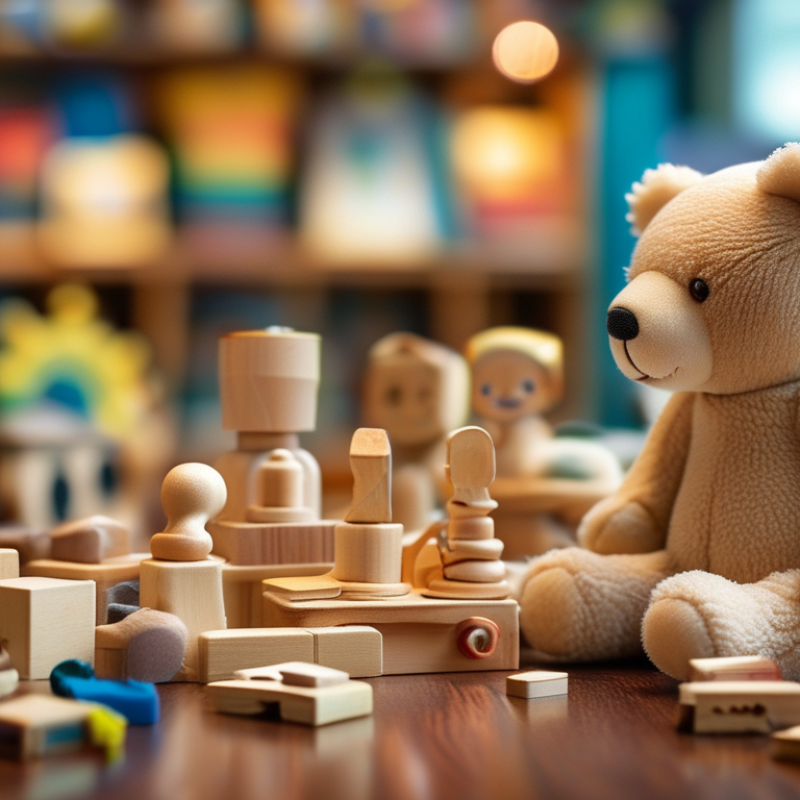
Educational toys play a vital role in language development for young children. They stimulate curiosity and promote interaction. These toys often engage multiple senses, making learning enjoyable. Children learn words while playing with colorful blocks or storytelling figures. This encourages them to express thoughts and expand their vocabulary.
Different types of educational toys serve various purposes. For instance, puzzles enhance problem-solving skills. They also help kids learn about shapes and colors. Books with vibrant illustrations foster a love for reading. Hearing stories can improve listening skills. Such activities often lead to rich conversations between children and caregivers.
Despite these benefits, parents should be cautious. Not all toys are created equal. It is crucial to choose age-appropriate items that match a child’s developmental stage. Additionally, over-reliance on toys can hinder imagination. Active adult participation is essential for reinforcing learning. Engaging in conversations while playing can enhance comprehension further. Balancing toy usage with other activities is key to effective language development.
This chart illustrates the engagement levels of various educational toys that significantly contribute to language development in children. High engagement toys like books and story cubes are essential for developing vocabulary and communication skills.
Selecting toys that promote language development in children is an important task for caregivers. When choosing educational toys, look for those that encourage interaction. Toys that require cooperative play can help build communication skills. Interactive books are great for fostering a love of storytelling. They encourage parents and children to engage in dialogue about the pictures and narratives.
Consider the age appropriateness of the toy. Toys should match a child's developmental stage. For younger children, simple objects with bright colors and sounds can stimulate interest. As children grow, words and phrases become more significant to their play. Toys that allow open-ended questions can spark creativity and language skills. Look for products that offer diverse cultural representations. This inclusivity can enhance children’s understanding of different languages and dialects.
Lastly, ensure the toys are safe and durable. Parents often overlook the importance of safety standards. Some toys might look educational but could be harmful. Aim for toys made from non-toxic materials and avoid small parts for younger children. Engaging with children during playtime can also promote language skills. Reflect on how each toy impacts communication abilities. The right choices can truly make a difference in language development.
| Toy Name | Age Range | Language Skills Developed | Features | Price Range |
|---|---|---|---|---|
| Interactive Storybook | 2-5 years | Vocabulary, Comprehension | Read-aloud features, Sound effects | $15 - $30 |
| Letter Learning Blocks | 1-3 years | Letter Recognition, Vocabulary | Colorful designs, Stackable | $10 - $25 |
| Bilingual Flashcards | 3-6 years | Vocabulary, Language Switching | Illustrated cards, Durable material | $12 - $20 |
| Talking Alphabet Board | 2-5 years | Phonics, Vocabulary | Touch-sensitive, Interactive sounds | $25 - $40 |
| Rhyming Puzzle Game | 3-6 years | Phonemic Awareness, Vocabulary | Rhyme matching, Colorful pieces | $15 - $30 |
| Creative Writing Kit | 5-8 years | Writing Skills, Creativity | Story prompts, Writing materials | $20 - $35 |
| Language Learning Apps | 5+ years | Vocabulary, Grammar | Interactive games, Progress tracking | Subscription-based |
| Musical Instruments | 1-5 years | Language Rhythm, Vocabulary | Variety of sounds, Easy to use | $10 - $50 |
| Roleplay and Pretend Play Sets | 3-8 years | Conversational Skills, Vocabulary | Realistic props, Social interaction | $20 - $70 |
| Language Board Games | 6-10 years | Critical Thinking, Vocabulary | Strategic play, Multiplayer | $20 - $40 |
Language development in children is crucial. Engaging toys can foster this development effectively. Consider toys that promote storytelling and conversation. Interactive books are a wonderful choice. They can stimulate imagination and encourage verbal expression. Children learn better when they actively participate in their learning.
Puppets are another great option. They allow children to create characters and dialogues. This sparks creativity and enhances their speaking skills. A simple puppet show can lead to rich storytelling experiences. It’s a fun way to build vocabulary and comprehension.
Games that involve rhyming or singing also boost language skills. Singing catchy songs helps with phonetics and rhythm. Through play, children can make mistakes and learn from them. This trial-and-error process is vital for language mastery. Every child's journey in learning language is unique. Emphasizing play in the learning process can be both effective and enjoyable.
Educational toys can significantly boost language development in children. When selecting toys, look for those that encourage interaction. Simple blocks with letters and numbers can inspire kids to spell words. Role-play toys simulate real-life conversations, enhancing vocabulary. Children learn best through play, and these toys make learning enjoyable.
To foster language learning, engage with your child during playtime. Ask open-ended questions about their creations or pretend scenarios. This approach stimulates their thinking and expands their vocabulary. Encourage them to express ideas and narrate stories. Sometimes, they may struggle to articulate thoughts. Be patient and provide prompts or hints. This creates a supportive environment for growth.
Incorporate reading into play. If a toy has a storybook, read it together. Make discussions lively by acting out scenes from the book. This interaction reinforces language skills. Also, remember that not all children progress at the same pace. Celebrate small achievements and remain flexible in your approach. Every child learns differently, and that's perfectly okay.
Integrating play with language activities opens doors for children’s development. Interactive play enhances their vocabulary and communication skills. Children naturally engage with toys, turning routine moments into learning opportunities. Puppets, storybooks, and games can encourage conversational exchanges.
Simple activities, like storytelling using props, spark imagination. Children learn to express their thoughts and feelings. Building blocks can serve as tools to teach words and phrases like "tall," "short," or "together." Engaging them in these playful settings fosters a love for language. However, parents should observe their child’s reactions. Some may shy away from speaking or may need more guidance.
It's essential to create a safe and inviting space for language play. Children learn at their own pace. Not all will grasp language concepts quickly. Patience and encouragement are key. Allow for mistakes and celebrate small victories. This fosters confidence and a willingness to communicate. Engaging in this playful language development can be fun and rewarding, building a strong foundation for future learning.
: Language development is crucial as it enhances communication skills and cognitive growth. Engaging toys support this process.
Toys like interactive books, puppets, and role-play sets are effective. They encourage storytelling and conversation.
Engage actively by asking open-ended questions. Encourage storytelling and express ideas to stimulate thinking.
Yes, mistakes are vital for language mastery. They create opportunities for correction and understanding.
Be patient and offer prompts. A supportive environment allows children to articulate their thoughts better.
Reading together makes discussions lively. Acting out scenes reinforces language skills and comprehension.
Interactive toys enhance vocabulary and communication. They transform play into engaging learning experiences.
Absolutely. Each child’s learning journey is unique. Celebrate small achievements to build confidence.
Activities like storytelling with props spark imagination and help children express their thoughts.
Patience allows children to learn at their own pace. Encouraging them fosters a willingness to communicate.
Educational toys can significantly enhance language development in children by providing interactive and engaging ways to learn new words and concepts. The benefits of these toys include improving vocabulary, enhancing communication skills, and promoting social interaction among peers. When selecting toys that aid in language development, it is essential to consider factors such as age appropriateness, educational value, and the ability to engage children in meaningful play.
The article outlines the top 10 recommended educational toys that foster language skills, as well as strategies for integrating play with language activities. By using these toys, caregivers can create a rich learning environment that encourages children to express themselves and explore language in a fun and effective manner. Ultimately, the question, "can educational toys help with language development?" is answered affirmatively, as these tools can be instrumental in nurturing a child's linguistic abilities during their formative years.
