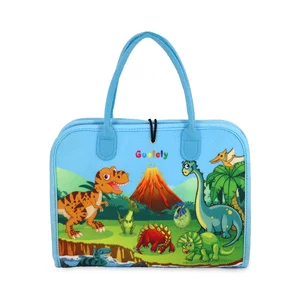
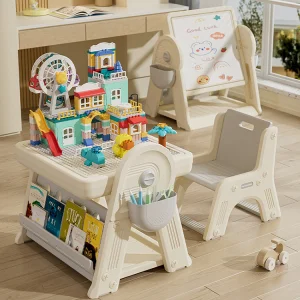
Explore our top-selling interactive and educational scientific solutions, designed to foster cognitive growth and hands-on discovery.
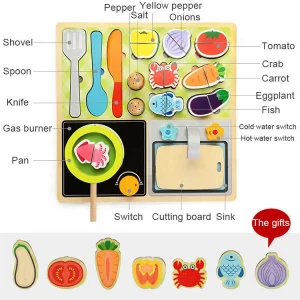
The global demand for Discovery Science Toys has shifted beyond passive, basic entertainment. Driven by curriculum reforms, the rise of international Montessori methodologies, and the mainstream adoption of STEM (Science, Technology, Engineering, and Math) policies, institutional buyers require toys that offer measurable, interactive cognitive development. In this highly sophisticated and competitive sector, select global manufacturers lead the way by offering robust structural integrity, child-safe formulations, and true pedagogical value.
Information Gain Insight: The modern sourcing journey is not merely defined by unit cost, but by raw material safety, rigorous localization support, structural longevity, and the manufacturer’s technical capability to integrate modern sensory dynamics, physical-to-digital interactions, and custom branding architectures smoothly.
Established in 2013, Dongguan Toym Toy Co., Ltd. stands as an exemplary force in the premium early childhood education and developmental toy manufacturing sector. Situated strategically in Dongguan, Guangdong Province—the epicenter of global toy manufacture—Toym Toy occupies a sprawling, modern production landscape of 16,000 square meters and supports a dedicated professional team of over 200 employees. Over the last decade, the enterprise has optimized its operations to feature end-to-end, state-of-the-art capabilities spanning original engineering design, advanced mold construction, high-precision assembly, and robust international distribution frameworks.
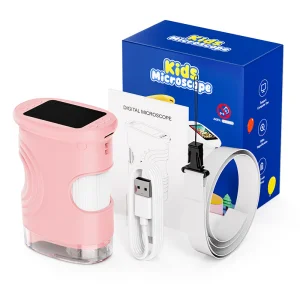
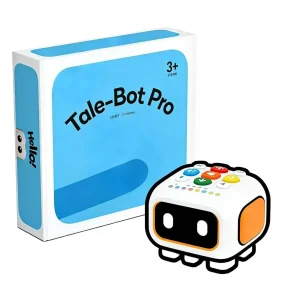
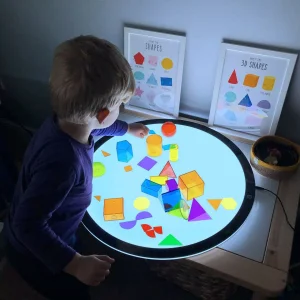
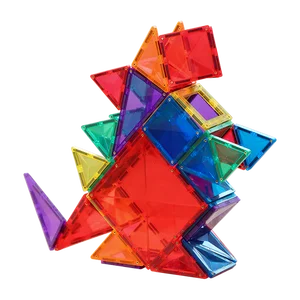
Toym Toy specializes in a broad, intellectually-driven product catalog. This includes next-generation sensory tables, high-density magnetic block systems, customized early educational Montessori puzzle assemblies, and advanced mechanical STEM devices (such as high-fidelity handheld digital microscopes and programmable coding robots). Their production is characterized by rigorous quality engineering protocols that comply with stringent, fast-evolving global safety standards.
For international buyers—including large-scale educational distributors, corporate retailers, and direct-to-consumer digital brands—partnering with specialized manufacturers in Southern China's industrial clusters offers distinct strategic advantages:
Evaluating key parameters that top-tier brands use to select their discovery science toy manufacturing partners.
Adherence to toy safety directives—including CE, CPC, EN71, and ASTM F963. Sourcing partners prioritize physical testing (anti-swallow designs, drop tests) and chemical tests (phthalate and heavy metal screening).
Providing full OEM and ODM support. Sourcing partners assist with everything from custom electronics integration (such as sound cards, remote systems, and optoelectronic modules) to tailored ecological packaging.
Ensuring consistent, safe raw material selection. Leading factories utilize non-toxic, impact-resistant ABS plastics, food-grade silicone, organic-grade solid woods, and water-based, heat-transfer coatings.
Developing high-quality Discovery Science Toys requires a deep understanding of developmental psychology, pedagogy, and materials science. STEM learning products must balance intuitive play with educational purpose. Key considerations in our engineering process include:
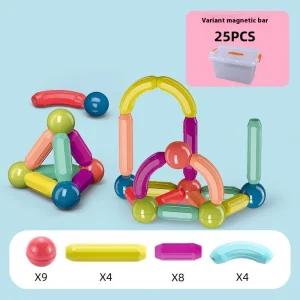
A. Material Safety & Structural Integrity: Modern discovery science toys use polymers like High-Impact Polystyrene (HIPS) and Acrylonitrile Butadiene Styrene (ABS). These materials are highly durable, holding up to rigorous classroom use and high-intensity play environments. In magnetic toy configurations (such as building tiles and rods), manufacturers use sonic-welding technology to secure the rare-earth magnets inside their plastic housings. This process prevents leakage, which can lead to structural failures or swallowing hazards.
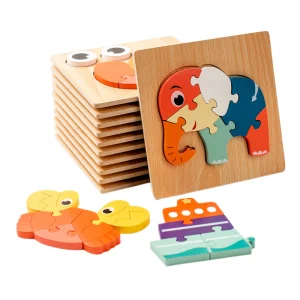
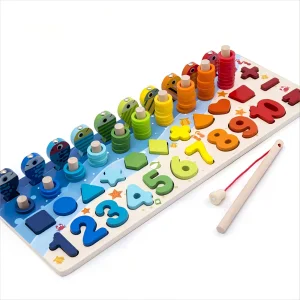
B. Color Precision & Advanced Surface Treatments: For wooden puzzles and early geometry toys, the application of non-toxic, double heat-transfer printing is essential. Unlike standard water-based paints, which can chip or wear away over time, double heat-transfer printing applies vibrant, high-contrast imagery directly into the grain of the wood. This process ensures the material remains highly resistant to saliva, friction, and moisture, maintaining its color depth through years of repeated handling.
C. Electronic Integration & Optoelectronic Calibration: STEM devices like digital microscopes require precise optoelectronics. Our manufacturers use custom CMOS sensor configurations and low-draw, multi-point LED arrays. These components deliver sharp resolution and high-contrast imaging without causing excess heat or draining batteries too quickly. Additionally, integrated circuit designs are shielded to protect delicate components from damage if the device is dropped.
Navigating the complex landscape of global logistics is a critical competency for top-tier discovery science toy manufacturers. When shipping to North America, the EU, or APAC, our logistical and compliance procedures ensure smooth, worry-free execution:
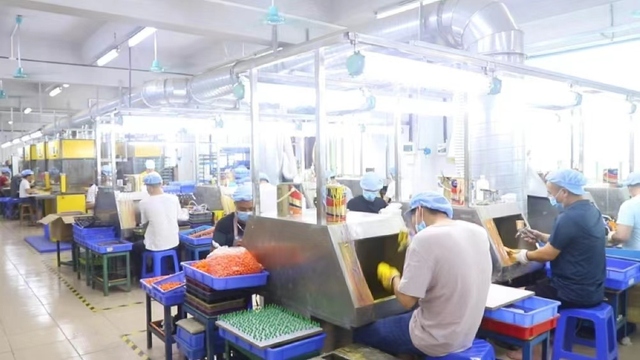
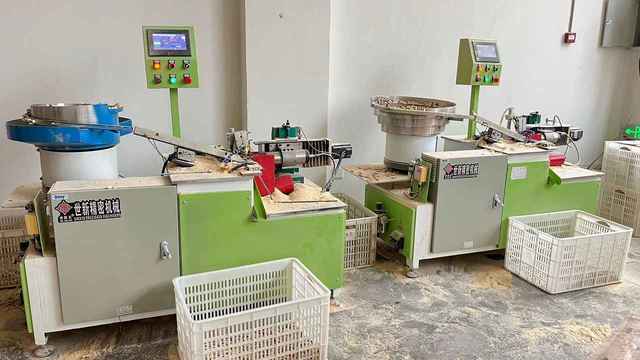
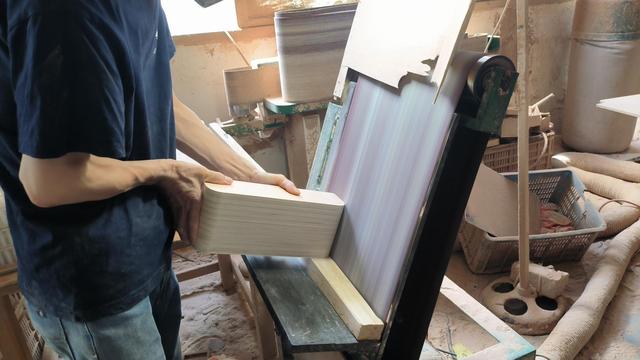
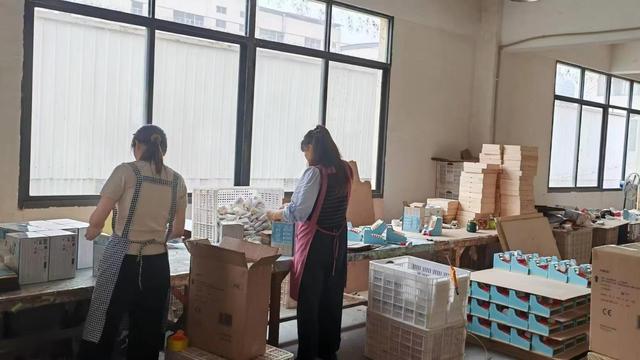
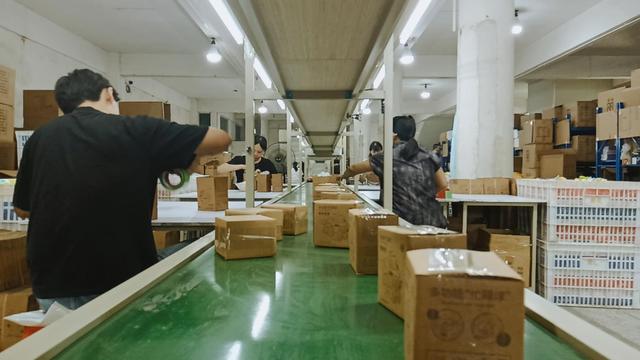
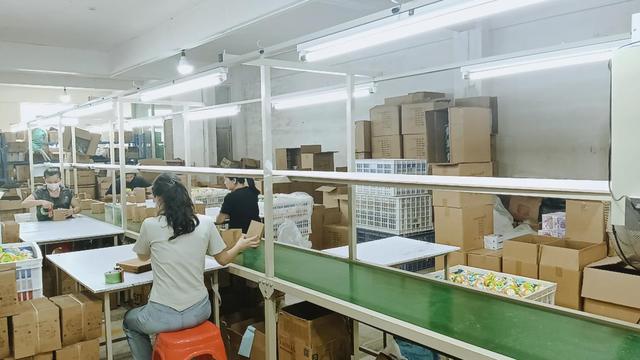
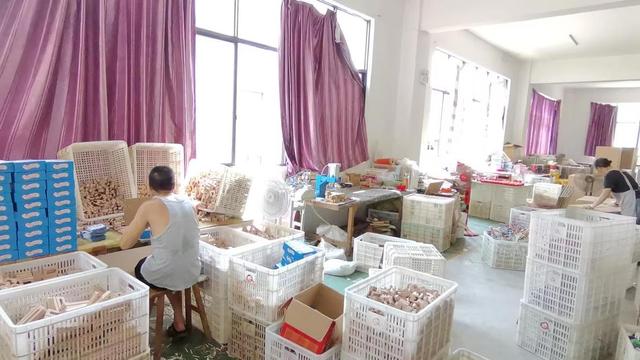
A look inside our state-of-the-art facilities in Dongguan. Our cleanrooms, molding sections, assembly lines, and testing centers are designed to meet strict global safety standards.

As digital technology advances and consumer environmental awareness grows, several trends are transforming the design, manufacturing, and distribution of educational science toys:
1. Environmentally-Conscious Eco-Materials: Modern brands are prioritizing eco-friendly and biodegradable materials. Biodegradable plastics, FSC-certified sustainable woods, and natural vegetable-based colorants are replacing petroleum-based raw materials. Manufacturing processes must evolve to support these materials while maintaining durability and safety.
2. Smart Toys and Physical-Digital Hybrid Experiences: Traditional toys are being integrated with mobile applications, augmented reality (AR), and early artificial intelligence (AI). These combinations allow children to run experiments with physical equipment while viewing real-time data or guided educational modules on screen, creating highly engaging learning experiences.
3. Early Coding and Computational Thinking: Educational curriculums now prioritize spatial logic, engineering concepts, and early programming principles for children under six. Toys like modular coding tracks, screen-free tactile coding robots, and programmable magnetic configurations are highly valued by educators and parents alike.
Comprehensive answers to the primary compliance, quality control, and logistic questions asked by global procurement professionals.
Explore more of our highly versatile products, designed to bring fun and scientific learning together.
 Toym Toy