Premium tactile, cognitive, and sensory physical educational aids engineered for inclusive developmental settings and early intervention environments.
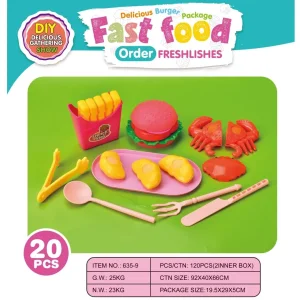
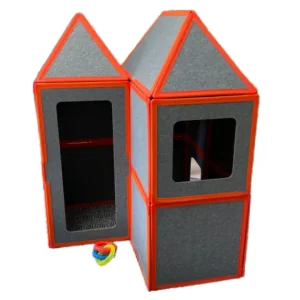
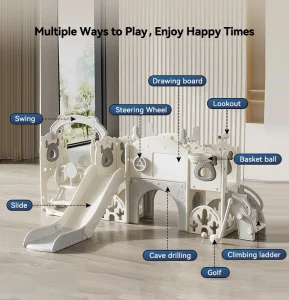
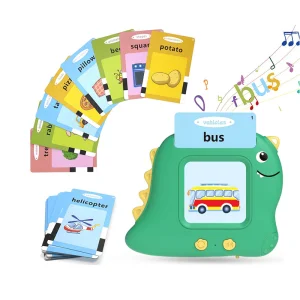
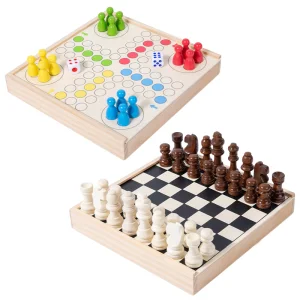
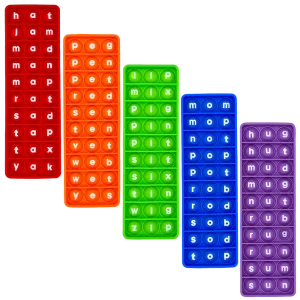
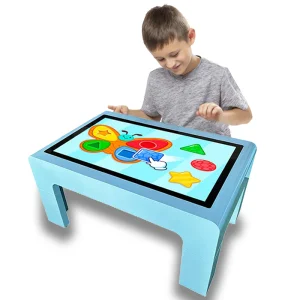

The global educational supplies industry is undergoing a significant transformation. Once treated as a niche segment, the market for Special Needs Educational Aids and sensory classroom resources has transitioned to the forefront of global institutional procurement. Facilitated by strict legislative frameworks such as the Individuals with Disabilities Education Act (IDEA) in the United States, and similar inclusive education mandates across the European Union and Asia-Pacific regions, schools and therapeutic institutions are systematically redesigning learning spaces.
For educational procurement directors, distributors, and global importers, finding a supplier that bridges the gap between pedagogical efficacy and industrial-grade manufacturing is critical. Product design is no longer just about aesthetics; it now incorporates deep principles of cognitive ergonomics. Aids must support diverse neurodivergent requirements, including Autism Spectrum Disorder (ASD), Attention Deficit Hyperactivity Disorder (ADHD), Sensory Processing Disorders (SPD), dysgraphia, and fine motor challenges, while meeting strict mechanical safety and non-toxic material regulations.
"True design empathy in special education manufacturing requires shifting focus from standardized toy production to therapeutic engineering. Every surface texture, weight, resistance level, and structural finish must serve a specific sensory feedback loop or developmental milestone."
Analyzing the macro economics of educational tools reveals a clear upward trend. The global market for special education programs and assistive learning materials is projected to reach unprecedented heights by 2030, growing at a compound annual growth rate (CAGR) of over 7.8%. This growth is driven by three main factors:
First, the widespread adoption of Multi-Sensory Environments (MSE) in public and private schools. Sensory rooms, light panels, and tactile therapy spaces are becoming standard infrastructure rather than optional additions. Second, the global push toward early intervention, where clinical psychologists and pediatric developmental therapists work with preschools to introduce sensory tools at the earliest developmental stages. Third, the increasing focus on post-pandemic therapeutic recovery, addressing developmental lag in fine motor coordination and social-emotional skills.
| Intervention Category | Primary Sensory Modality | Material Engineering Focus | Target Learning Outcomes |
|---|---|---|---|
| Tactile & Fidget Therapy | Proprioceptive & Vestibular Input | Food-grade silicone, texture variations | Anxiety mitigation, hyperactive redirection |
| Visual Stimulation | Ophthalmic & Color Spectrum Tracking | Acrylic light diffusion, shatterproof polymers | Spatial awareness, focal reinforcement |
| Cognitive Construction | Spatial-Visual & Fine Motor Coordination | FSC-certified hardwoods, NdFeB safe magnets | Mathematical reasoning, logic mapping |
| Language & Speech Aids | Auditory-Kinesthetic Association | ABS polymer shells, dustproof RFID receivers | Bilingual translation, phonics decoding |
Established in 2013, Dongguan Toym Toy Co., Ltd. is a leading manufacturer specializing in educational tools and developmental play solutions. Located in Dongguan, Guangdong Province, the global center of advanced plastic and wood manufacturing, the company operates a state-of-the-art 16,000 square meter facility. With a dedicated workforce of over 200 skilled employees, Toym Toy integrates design, prototyping, production, and quality control under one roof.
The company’s product line includes STEM toys, Montessori materials, sensory integration tools, and interactive classroom systems. By using safe manufacturing technologies and strict quality control, Toym Toy provides reliable OEM and ODM support to educational brands, global distributors, and institutional buyers in North America, Europe, and Asia-Pacific.
Manufacturing educational aids for neurodiverse learners requires a strong commitment to quality and safety. Unlike standard retail toys, special needs aids are often subjected to prolonged, intensive physical use (such as biting, pulling, throwing, or heavy physical impact). Therefore, compliance cannot be treated as a secondary consideration.
All materials used in our manufacturing process undergo testing to comply with international regulations, including:
Special needs educational aids are versatile tools used across various settings, each with its own requirements for durability, sanitization, and user engagement:
In mainstream school environments, teachers use sensory fidget tools, quiet desk toys, and language cards to help neurodivergent students focus. These tools help regulate student energy levels without disrupting the rest of the class. Because they are used by multiple children throughout the school year, they must be made of materials that are easy to clean and sanitize.
Occupational therapists (OTs) and speech-language pathologists (SLPs) use tools like tracing pads, multi-functional puzzles, and communication cards to build fine motor control and improve language skills. In these clinical environments, the durability of magnetic joints, wooden frames, and silicone components is essential.
Sensory rooms are designed to help children with sensory overload calm down and self-regulate. These spaces utilize light panels, tactile tiles, and soft play equipment to create a soothing environment. Safe light emission, durable casing, and low heat generation are critical requirements for these applications.
Advanced physical learning structures, geometric blocks, and language platforms designed for interactive and inclusive developmental learning.

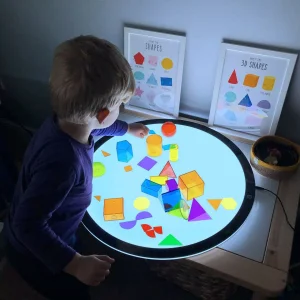
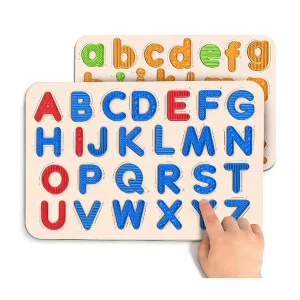
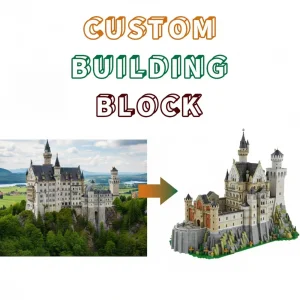
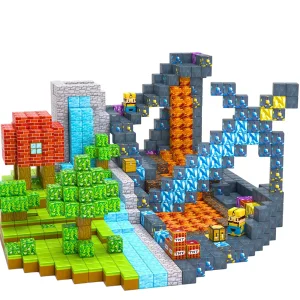
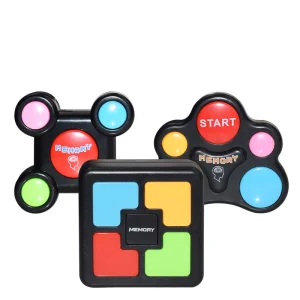
As we look toward the next generation of special education tools, the industry is moving beyond purely passive items toward smart, responsive aids. The integration of technology helps create personalized learning paths for children with varying developmental needs.
Our design and development teams are focusing on several key areas of innovation:
1. Tactile Sensor Integration: Developing surfaces that respond to a child's grasp strength. This provides real-time feedback to therapists tracking fine motor control and muscle tone progression.
2. Smart Optical Feedback: Creating light panels that adjust their brightness and color temperature automatically. This ensures they remain engaging without causing sensory overload.
3. Multi-Language Audio Integration: Building interactive card readers that support real-time audio learning in multiple languages, making resources accessible to inclusive schools worldwide.
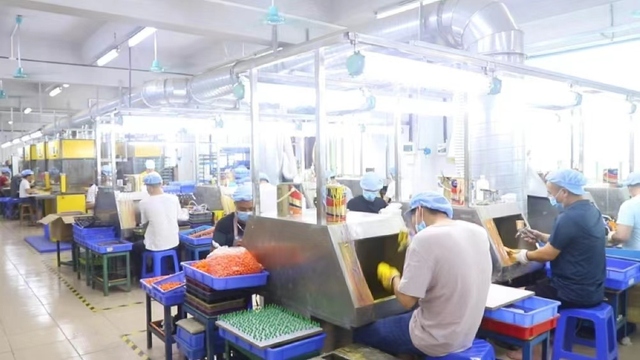
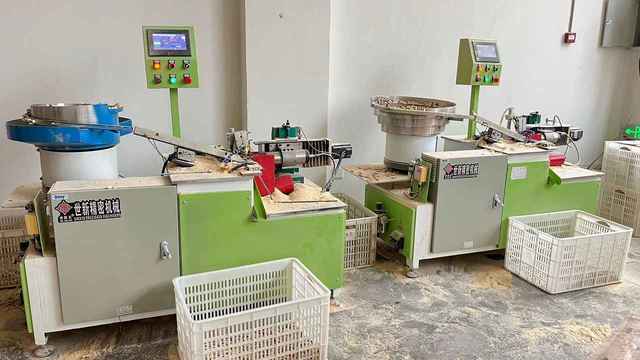
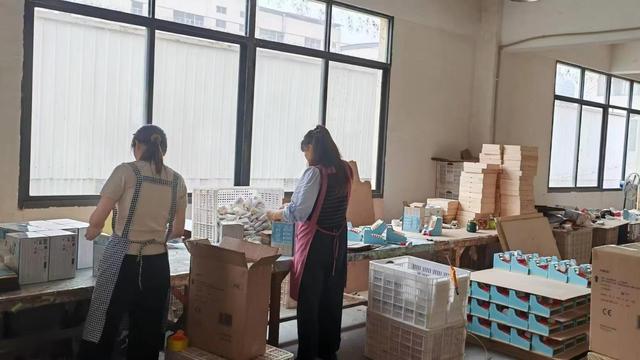
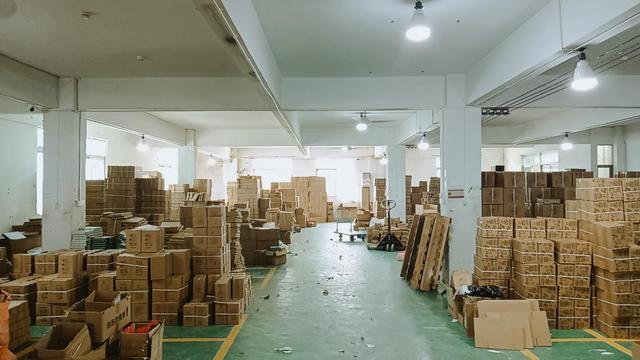
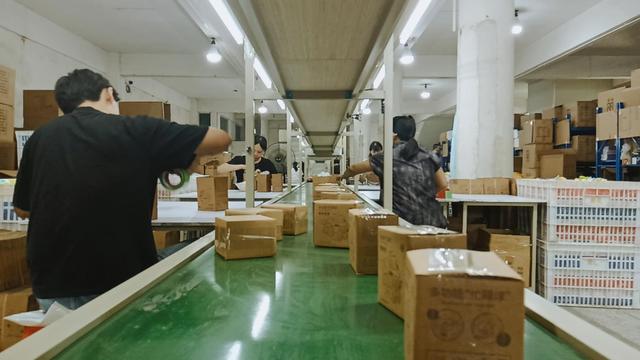
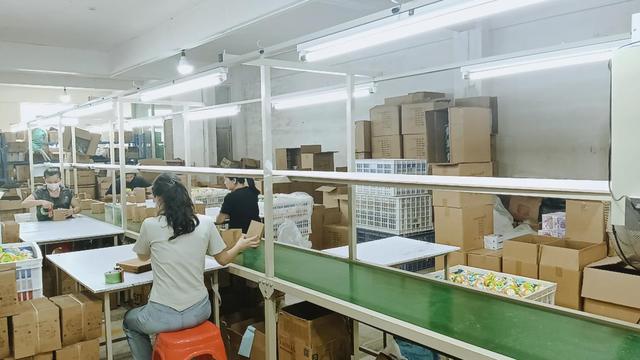
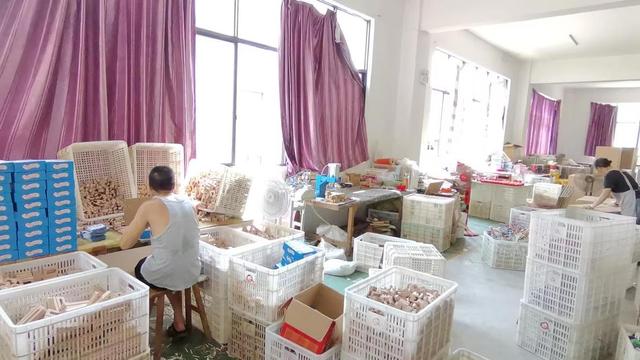
Operating within a 16,000 square meter facility allows Dongguan Toym Toy Co., Ltd. to manage the entire manufacturing cycle. This comprehensive control ensures consistent production speed, product quality, and cost efficiency.
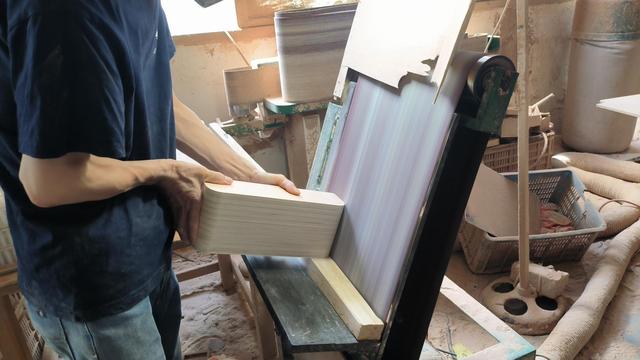
Our facility features specialized production areas, including high-precision plastic injection molding machines, clean dust-free assembly rooms, wood sanding and processing lines, and an in-house quality testing lab. In this testing lab, products are subjected to drop tests, tension tests, and mechanical wear checks to confirm they meet safety and durability standards before being packaged and shipped.
 Toym Toy