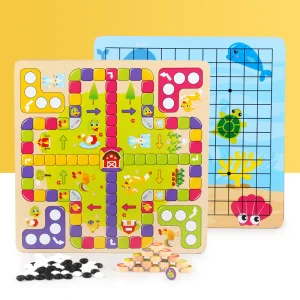
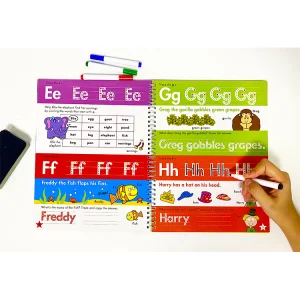
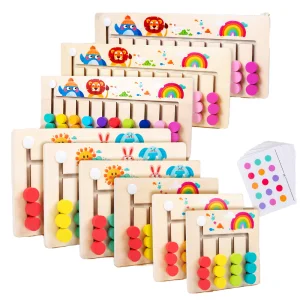
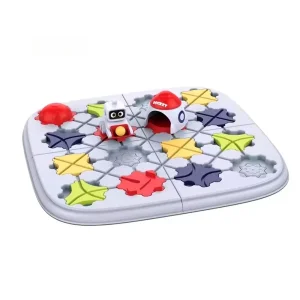
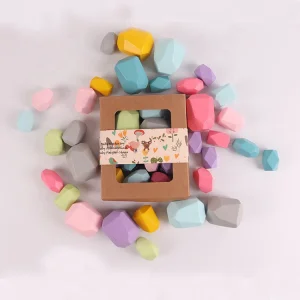
The wooden learning materials industry has undergone a radical transformation. Moving beyond simple blocks, the market now demands precision-engineered Montessori tools and STEM kits that integrate physical tactile feedback with cognitive development theories. Globally, the sector is valued at over $15 billion, driven by a 12% CAGR in the eco-conscious segment.
Modern factories must adhere to FSC (Forest Stewardship Council) standards and EN71/ASTM F963 safety protocols. Leading manufacturers are now carbon-neutral, utilizing water-based non-toxic lacquers and renewable timber sources like Beechwood and Rubberwood.
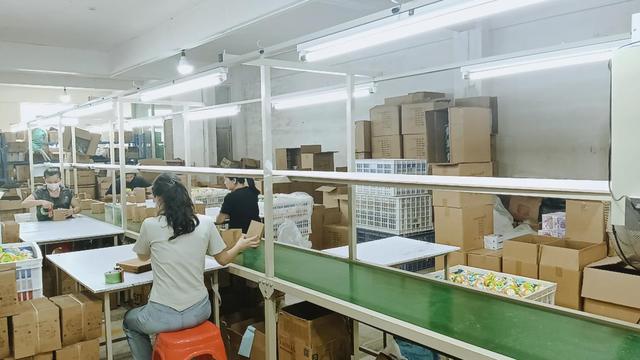
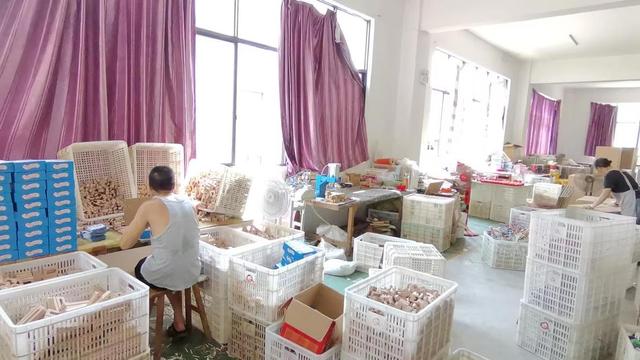
While European heritage brands offer prestige, Dongguan Toym Toy Co., Ltd. represents the future of scalable, high-tech educational manufacturing. Established in 2013, this facility bridges the gap between traditional woodworking and modern CNC precision.
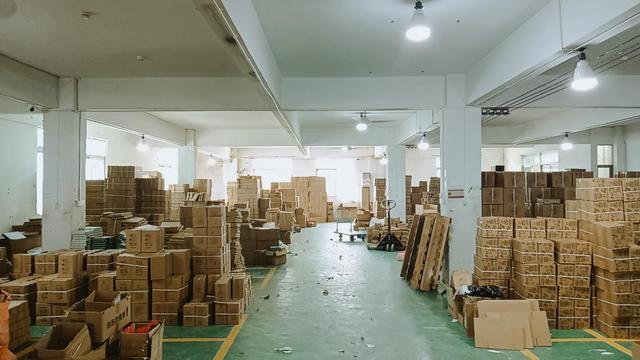
Located in the heart of Guangdong's toy cluster, Toym Toy leverages an unmatched ecosystem of raw material suppliers, logistic networks, and specialized hardware vendors. This results in a 30% reduction in lead times compared to inland competitors.
Toym Toy offers flexible OEM and ODM services, including custom product development, private-label manufacturing, educational content integration, and branding solutions. Their internal R&D team researches emerging educational trends to ensure every toy serves a pedagogical purpose.
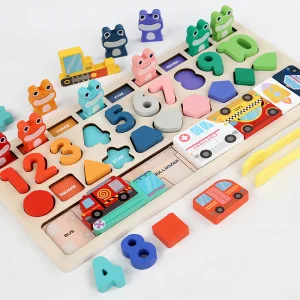
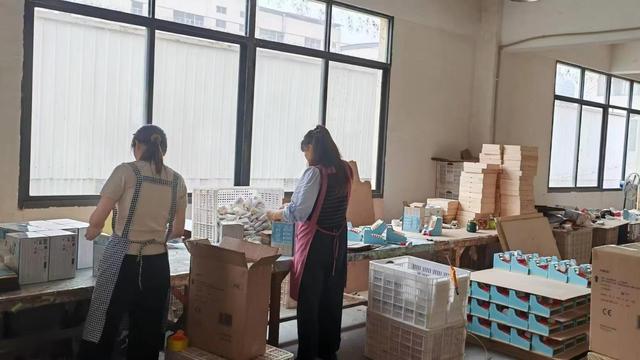
Utilizing AI-driven inspection cameras and strict quality management systems, every wooden piece—from Montessori sensory boards to STEM hydraulic manipulators—undergoes rigorous safety checks for smooth edges and structural integrity.
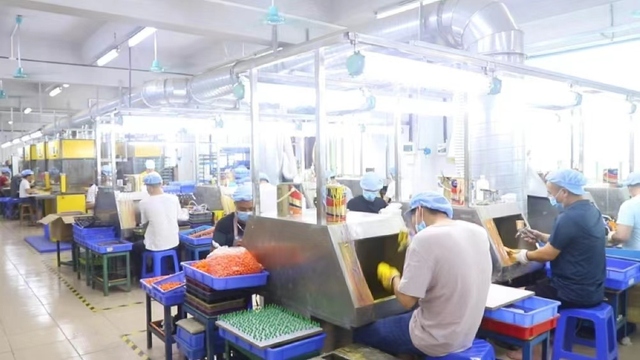
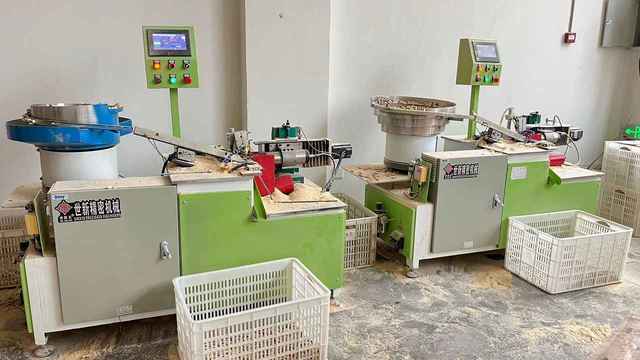
Educational psychologists now emphasize "Sensory Realism." Wooden toys provide a natural weight and texture that plastic alternatives lack, promoting better spatial awareness and fine motor skill calibration in early childhood. This tactile "information gain" for the child's brain is why Montessori schools globally mandate 80% wooden materials.
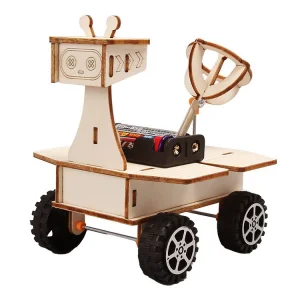
Modern factories are merging traditional carpentry with physical science. Products like the "DIY Hydraulic Manipulator" showcase how wood can be used to teach complex fluid dynamics and mechanical engineering to primary-age children, making abstract concepts tangible.
Procurement officers in North America and Europe are shifting away from "single-use" educational kits toward "generational durability." Wooden materials represent a higher ROI for schools as they can last for over a decade of classroom use, fitting perfectly into the "Circular Economy" business model.
The industry is seeing a rise in "Phygital" toys—wooden blocks that interact with tablets via NFC or AR (Augmented Reality). This keeps the tactile benefits of wood while preparing children for a technology-driven future.
Look for ISO 9001 for quality systems, FSC for sustainable timber, and BSCI for ethical labor standards. For US markets, CPSC and ASTM F963 are non-negotiable, while CE and EN71 cover the European Union.
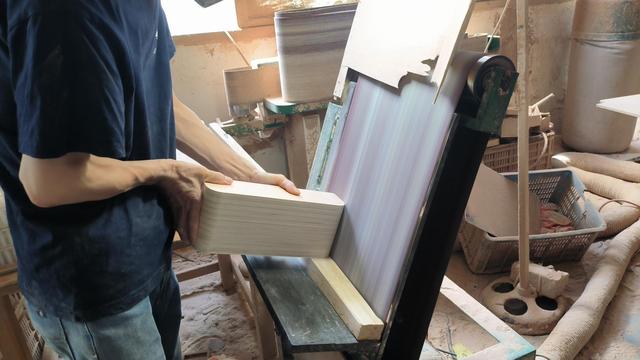
The cost variance usually stems from wood density (Beech vs. Pine), the type of coating (water-based vs. solvent), and precision of sanding. Premium factories like Toym Toy use multi-stage sanding to ensure zero splinters, which is critical for early childhood safety.
The process starts with a 3D CAD design, followed by a physical prototype. After the client approves the weight, feel, and functionality, we move to pilot production and then mass manufacturing with continuous QC checks.
Typically, 25-45 days depending on the complexity of the design and order volume. For stocked items, shipping can begin within 7-14 days.
Absolutely. We are currently developing "Smart Wood" series that utilize image recognition technology to bridge physical play with digital feedback, enhancing the STEM learning experience.
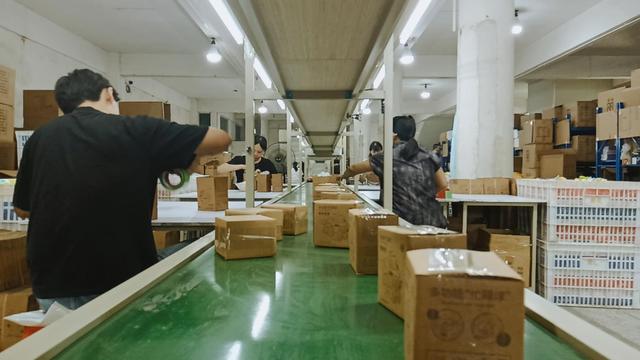
Selecting a factory for wooden learning materials is not just about price—it’s about finding a partner who understands the pedagogical weight of their products. Dongguan Toym Toy Co., Ltd. continues to export to North America, Europe, and beyond, providing the reliable infrastructure schools and retailers need to foster the next generation of thinkers.
 Toym Toy