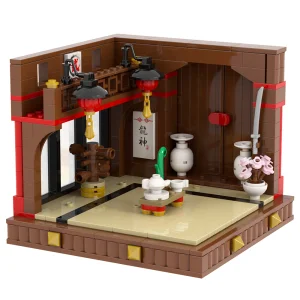
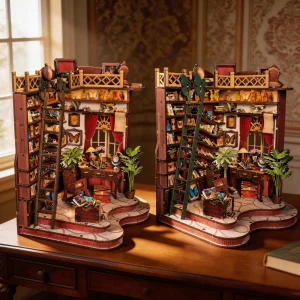
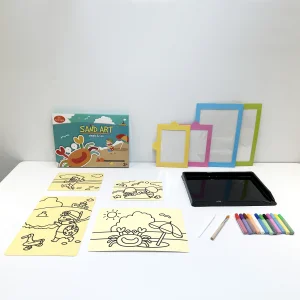
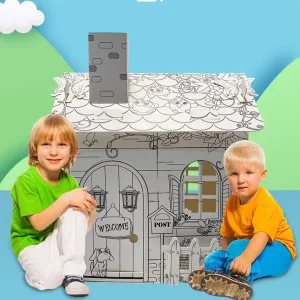
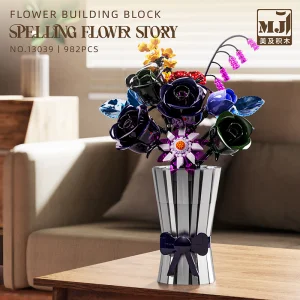
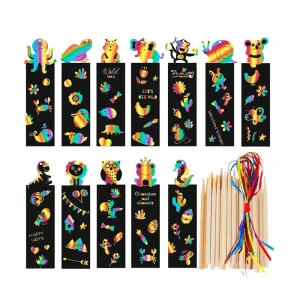
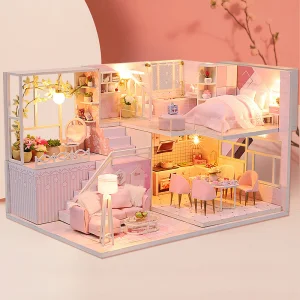
Optimized craft kits and educational solutions engineered to satisfy West Coast STEAM pedagogy and safety protocols.
Understanding regional demand patterns, educational criteria, and ecological mandates within the Bay Area.
The San Francisco Bay Area stands as a global epicentre of innovation, technological development, and progressive early childhood education. This unique intersection has catalyzed a highly demanding consumer demographic—one that rejects passive screen time in favor of active, tangible learning. Sourcing managers and educational product buyers operating in the San Francisco market face strict regulatory criteria and sophisticated consumer expectations. In this ecosystem, toys are not merely tools for distraction; they are functional devices designed to foster spatial reasoning, fine motor control, and cognitive agility.
Local consumer trends indicate a significant demand for products that align with STEAM (Science, Technology, Engineering, Arts, and Mathematics) curricula. Sourcing criteria for local toy retailers in neighborhoods such as Noe Valley, the Mission District, and the Presidio, as well as educational institutions throughout the East Bay, emphasize non-toxic chemical formulations, structural longevity, and open-ended design. Furthermore, California's stringent environmental regulations, including Proposition 65 and the state's aggressive microplastic and chemical-safety compliance standards, demand that factories manufacturing for this market provide bulletproof safety certifications and traceably verified supply chains.
Integrating cognitive growth structures directly into tactile, physical craft projects for Northern California's progressive schools.
Absolute adherence to California's strict heavy-metal and phthalate restrictions to ensure legal retail readiness.
Transitioning from cheap petroleum polymers to durable, post-consumer recycled plastics and certified sustainably harvested wood.
Analyzing current global manufacturing indicators, supply chain bottlenecks, and safety frameworks.
The global creative arts and craft toys market has underwent a major structural realignment. Historically characterized by low-cost, mass-produced plastic items, the industry is transitioning toward customized, high-margin product kits. Global revenue for educational and creative crafts is projected to experience a compound annual growth rate (CAGR) of over 7.3% through 2030. Sourcing departments from North America to Western Europe are diversifying their risk profiles, moving away from single-source manufacturing and demanding highly transparent operational practices from their suppliers.
In this competitive landscape, meeting the global baseline of safety and testing is a critical bottleneck. Leading products must maintain updated certifications including ASTM F963-17 (United States), EN71 Parts 1-3 (European Union), and CPSIA requirements. A failure in testing at the customs level can cost retail brands millions in containment fees, inventory delays, and reputational damage. Consequently, direct-to-factory partnerships with accredited facilities that possess in-house laboratory testing equipment have become the industry standard for risk mitigation.
Leveraging state-of-the-art Chinese manufacturing clusters to serve the West Coast market.
To satisfy the highly demanding San Francisco arts and crafts toy market, sourcing managers require a manufacturing partner capable of translating complex design drafts into volume production without compromising precision. Dongguan Toym Toy Co., Ltd. represents the pinnacle of this capability. Founded in 2013 in Dongguan, Guangdong Province—the world's premier toy manufacturing hub—Toym Toy operates a modern 16,000 square meter manufacturing plant staffed by over 200 skilled production technicians, engineering specialists, and quality control experts.
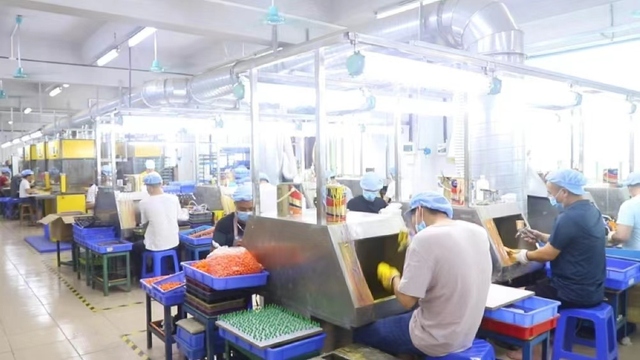
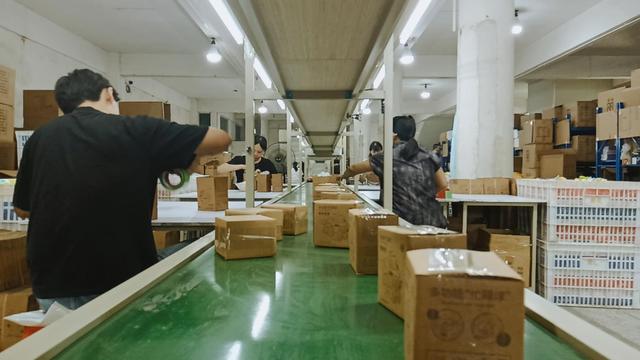
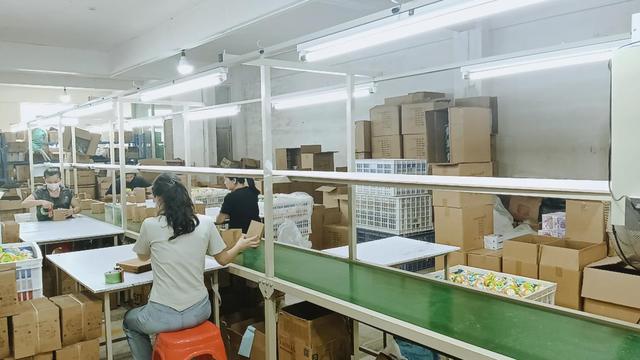
Toym Toy integrates product development, precision mold manufacturing, advanced plastic injection molding, automated paint spraying, assembly, and strict quality control under a single roof. Our capabilities cover the entire development lifecycle: from initial 3D FDM/SLA prototyping to mass-scale production of Montessori materials, STEM learning toys, and high-precision resin kits. By utilizing automated injection lines and precision chemical formulation management, Toym Toy minimizes production cycle times while maintaining strict adherence to international safety standards, including ASTM, EN71, and ISO 9001 certifications.
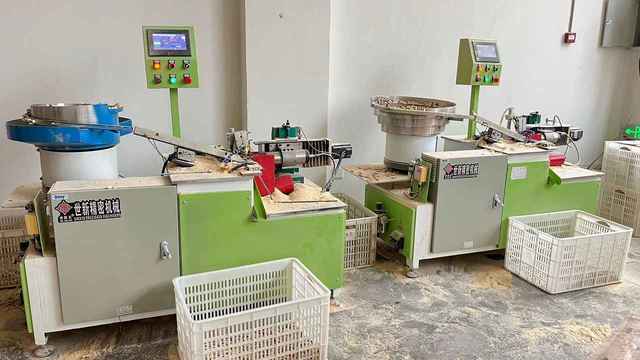
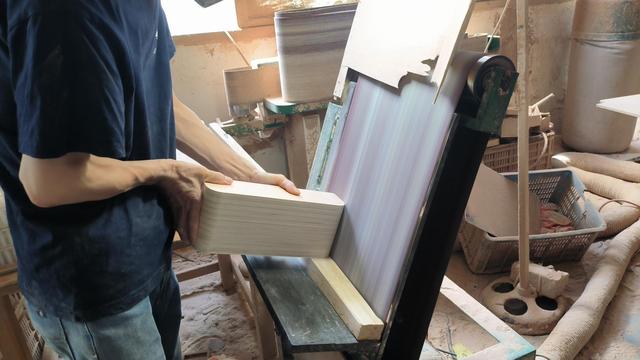
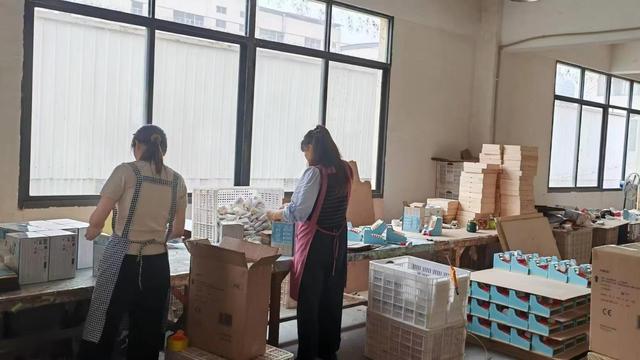
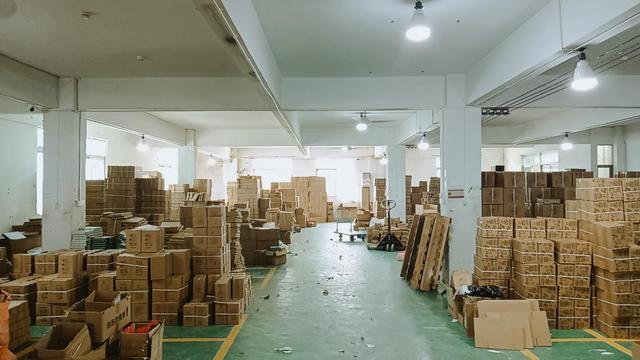
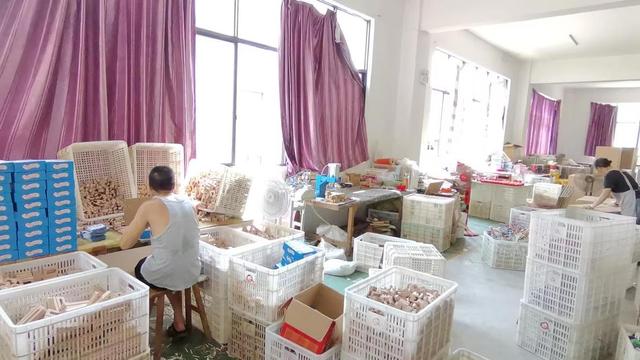
Explore the physical footprint of our manufacturing ecosystem. We combine automated processing lines with multi-tier quality control stations to ensure consistent high-volume output.
How local commercial and educational entities leverage custom arts and crafts toy projects.
Sourcing creative toys is rarely a one-size-fits-all endeavor. In San Francisco and the wider Silicon Valley footprint, custom arts and crafts projects are utilized across multiple distinct channels:
The technological forces shaping the next generation of creative toys.
The convergence of advanced technology and physical toys is driving a major transformation. Sourcing managers must plan their pipelines with the following emerging developments in mind:
Modern craft kits are beginning to feature companion applications that guide children through complex crafting steps using augmented reality (AR) or generative AI prompts. For instance, a physical sand painting or resin kit can be combined with a customized digital interface, turning physical models into interactive, narrative-driven games.
In response to California's strict environmental regulations, manufacturers are moving away from traditional petrochemical plastics. The use of Poly Lactic Acid (PLA) in 3D printed articulated toys, biodegradable resins, and soy-based paint systems is no longer a niche preference; it is a critical competitive requirement. Our factory is at the forefront of this shift, utilizing biodegradable polymers and non-toxic materials across our product lines.
Instead of relying on multi-month manufacturing cycles, brands are adopting a "test-and-scale" strategy. Using modern rapid tooling, 3D printing farms, and modular mold systems, factories can produce test batches of 500 units to evaluate market feedback in specific local regions before scaling up to full production runs of 10,000+ units.
Key criteria to evaluate when establishing an OEM/ODM partnership with a Chinese supplier.
For procurement directors in North America and Europe, optimizing a toy factory partnership involves balancing pricing with engineering reliability, delivery speed, and compliance security. The table below outlines the primary KPIs utilized by professional sourcing operations to evaluate overseas manufacturing partners:
| Sourcing Metric | Industry Benchmark | Dongguan Toym Toy Standard | Risk Mitigation Impact |
|---|---|---|---|
| Prototyping Lead Time | 14 - 21 Days | 5 - 7 Days (3D/CAD) | Accelerates Go-To-Market cycles for seasonal product rollouts. |
| Chemical Compliance | Basic EN71 | ASTM F963 / Prop 65 / CPSIA | Eliminates risk of customs seizure at US West Coast ports. |
| Mold Longevity (Cycles) | 100k - 200k Impressions | 500k+ Impressions (Steel Mold) | Lowers unit production costs over long-term product lifecycles. |
| Social Compliance Audit | Optional | BSCI / ISO 9001:2015 Compliant | Protects brand equity and supports compliance with major retail partners. |
Get a comprehensive quotation, customized packaging layouts, and material safety compliance sheets tailored for the North American and European markets.
Send Inquiry NowExpert answers to critical operational, design, and regulatory questions.
We run chemical screen testing on all raw materials, including plastics, colorants, adhesives, and coatings, before production begins. We guarantee that all materials used in products heading to California are free of heavy metals, lead, bisphenol A (BPA), and phthalates, and comply with California Proposition 65 standards. Compliance documents are provided with every order.
For custom OEM designs, 3D prototyping takes 5 to 7 days. Once the prototype is approved, steel mold production requires 25 to 30 days. Mass production is typically completed in 20 to 30 days, depending on order size. Shipping from our Dongguan facility to the Port of Oakland (San Francisco Bay Area) generally takes 15 to 20 days via ocean freight.
Yes. We offer several sustainable material options, including bio-based plastics (PLA), recycled plastics (RPET), FSC-certified cardboard packaging, and water-based inks. We work with clients to design packaging that minimizes environmental impact while protecting the product during shipping.
Our standard MOQ for custom plastic injected products is 3,000 units. For paper-based products, puzzles, or items utilizing existing molds with custom printing, we can support smaller runs starting at 1,000 units to help brands test new products in their local markets.
Browse our wide range of early educational, 3D assembly, and creative crafting kits designed for global markets.
 Toym Toy