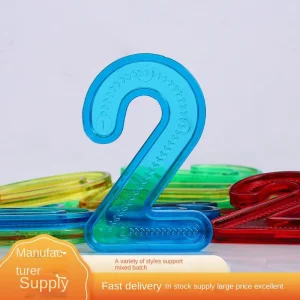
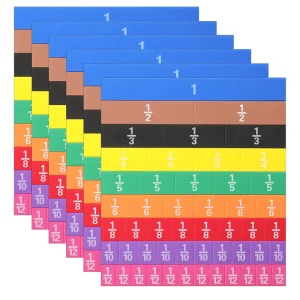
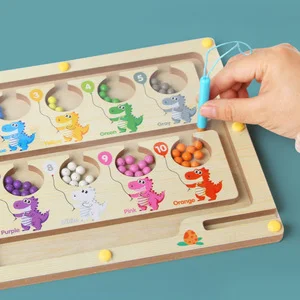
Premium tactile mathematics models highly sought after by German primary schools (Grundschulen) and early childhood centers (Kitas) across Berlin-Brandenburg.
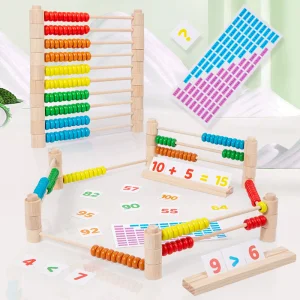
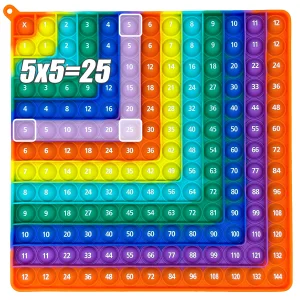
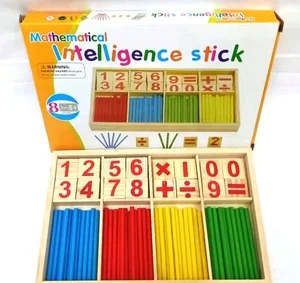
An in-depth analysis of educational reforms, market demand parameters, and manufacturing supply chains.
In recent years, Berlin’s educational system—coordinated under the SenBJF (Senate Department for Education, Youth and Family)—has placed an unprecedented strategic emphasis on early MINT (Mathematik, Informatik, Naturwissenschaft, und Technik) curriculum implementation. Within German primary institutions (Grundschulen) and early childhood learning hubs (Kitas), the transition from traditional cognitive abstraction to concrete, sensory-based mathematical learning is heavily enforced by state educational directives.
Berlin’s unique demographic composition and its commitment to progressive, inclusive education ("Gemeinschaftsschulen") require classroom apparatuses that cater to multilingual classrooms and diverse learning abilities. This is where tactile math learning tools, such as Montessori counting blocks, fractions circle boards, and physical abacuses, become crucial. Research confirms that physical engagement with tangible manipulatives accelerates cognitive retention of spatial relations, cardinal numbers, and basic arithmetic. Educators in Berlin districts, from Mitte to Charlottenburg-Wilmersdorf, favor pedagogical tools that conform to the high safety standards of the German market while supporting independent heuristics—the core philosophy of Montessori and Waldorf educational paradigms.
The global market for STEM learning aids has experienced a significant structural shift. In the post-pandemic era, procurement departments, municipal education offices, and international toy brands are facing strict regulatory updates and changing consumer behaviors. Screen-free, physical-tactile alternatives are witnessing a massive resurgence, fueled by concerns over early-childhood digital fatigue.
Global B2B procurement of mathematics learning toys is governed by safety and sustainability compliance. In the European Union, toys must strictly adhere to the Toy Safety Directive 2009/48/EC, EN71 parts 1, 2, and 3, and REACH chemical standards. Importers in Berlin, Munich, and across the DACH region cannot afford compliance failures. Consequently, global corporate buyers seek manufacturing partners who do not just manufacture products but actively maintain comprehensive quality assurance laboratories, clean material supply chains (such as FSC-certified timber and food-grade silicone), and transparent certification processes.
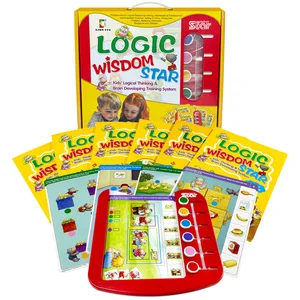
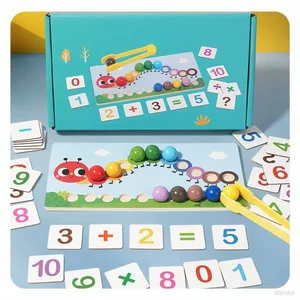
Specialized classroom configurations engineered for progressive Montessori training, logic development, and fine motor skills integration.
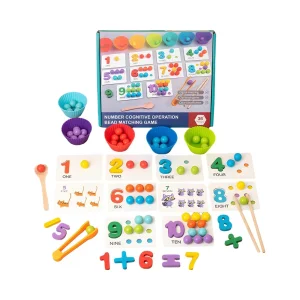
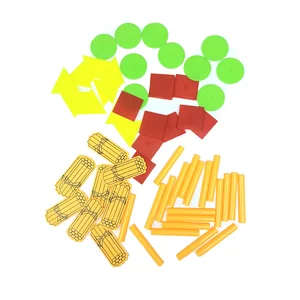
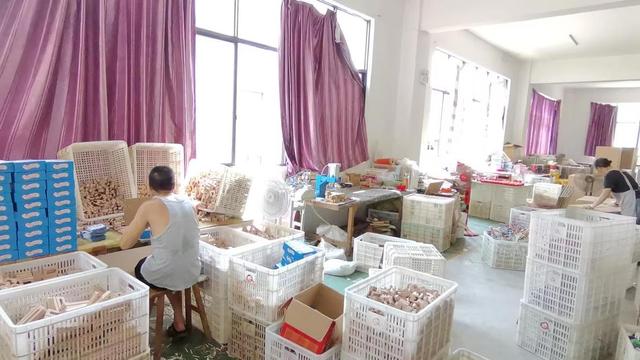
The manufacturing capital of Dongguan in Guangdong Province represents the pinnacle of global toy production technology and efficiency. Dongguan Toym Toy Co., Ltd., established in 2013, operates at the heart of this industrial cluster. Spanning a state-of-the-art facility of 16,000 square meters and powered by more than 200 highly skilled toy-making professionals, Toym Toy has built a resilient ecosystem that directly benefits international importers and B2B buyers.
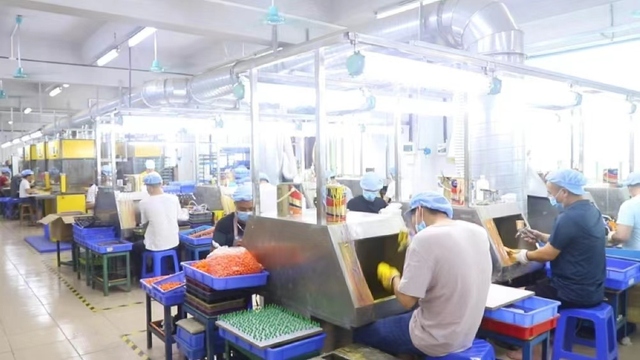
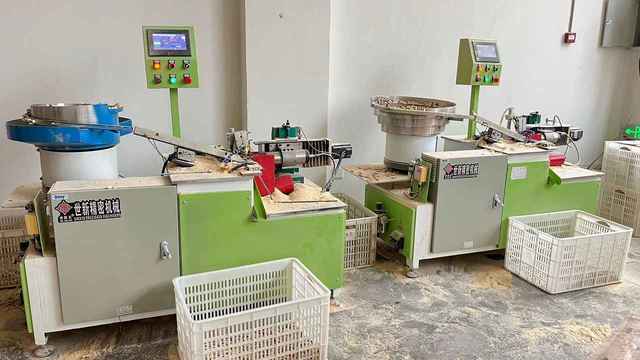
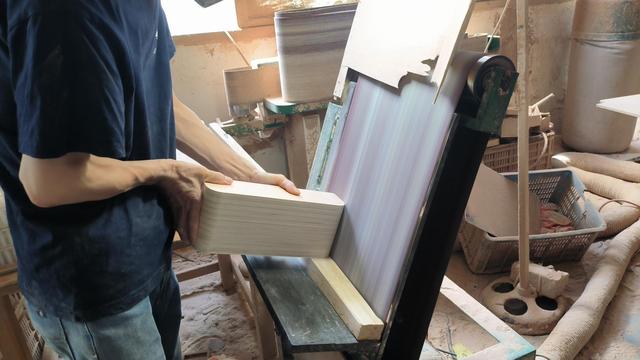
Unlike fragmented local producers, Toym Toy utilizes a vertically integrated production model. By consolidating material chemistry, precision wood processing, modern injection molding, automated surface finishing, and on-site testing protocols, we reduce manufacturing lead times by up to 30%. This efficiency ensures that we can scale production rapidly while maintaining strict quality standards.
To understand the targeted impact of our educational product line, we must analyze the specific demands of Berlin's pedagogical institutions:
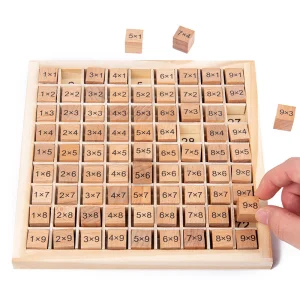
1. The Multicultural Classroom in Kreuzberg: Teachers utilize the Silicone Multiplication Boards to bypass language barriers. Since mathematics is a universal language, tactile, non-verbal manipulation allows young immigrants and native speakers to collaborate on equal terms.
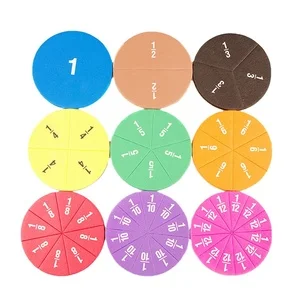
2. Specialized Montessori Academies in Zehlendorf: In these institutions, the Wooden Mathematic Counting Sticks and Fraction Circles are used to support student-directed learning. Children self-correct by matching colors and physical shapes, which aligns with Maria Montessori’s core pedagogical principles.
3. All-Day Primary Schools (Ganztagsschulen) in Prenzlauer Berg: These schools require high-durability toys like the Wooden Arithmetic Frames that can withstand daily use by dozens of children, offering a strong return on investment for school administrators.
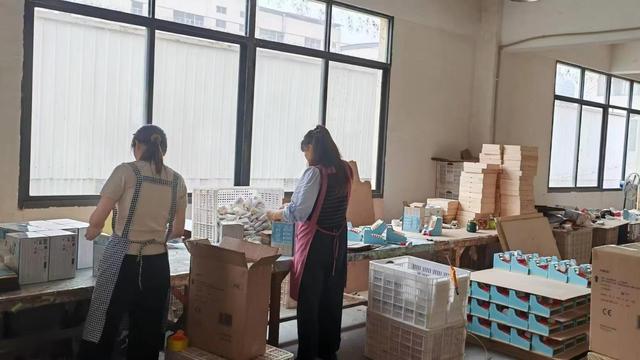
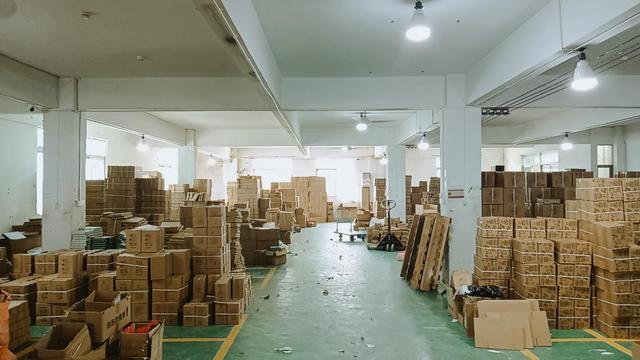
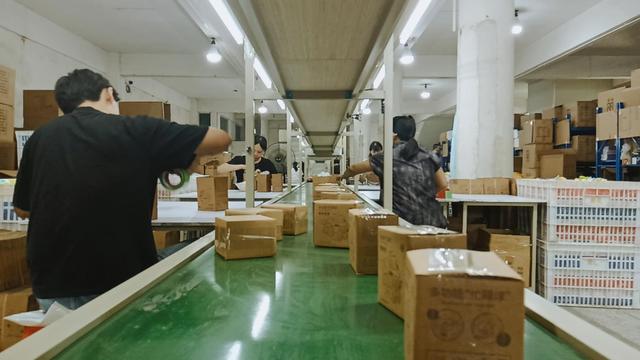
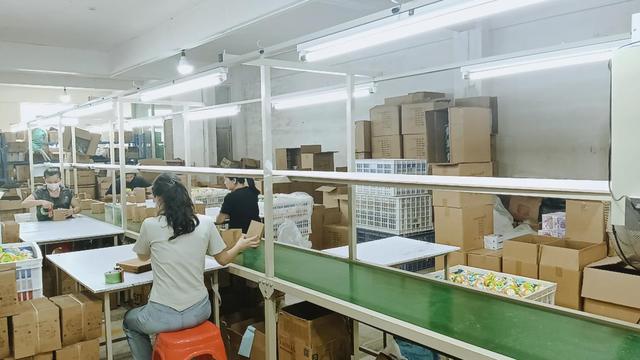
A transparent look inside our 16,000 square meter advanced production facility, showing our precision woodworking, molding, and packing systems.
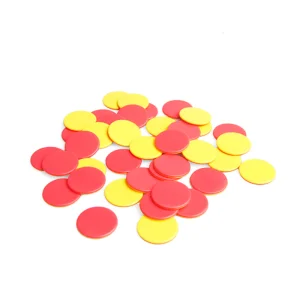
The mathematics toy industry is evolving rapidly, driven by two key trends: Circular material sourcing and Neurodiverse accessibility. Educational institutions are increasingly replacing single-use plastic counting chips with long-lasting wood alternatives, bio-composites, and food-grade silicones.
Furthermore, there is growing demand for multisensory toys designed for neurodiverse children, including those with ADHD, Autism, and Dyscalculia. By combining visual, auditory, and tactile elements—such as our color-coded arithmetic boards and silicone pop-bubble matrices—we help make mathematics accessible and engaging for all learners.
Importing educational materials into the European Union requires careful attention to compliance. When sourcing toys from China, buyers should verify the manufacturer's capabilities across several key areas:
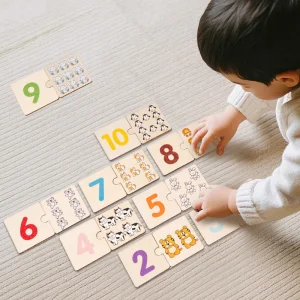
A comprehensive collection of mathematics learning products, built for classrooms, retailers, and educational distributors worldwide.
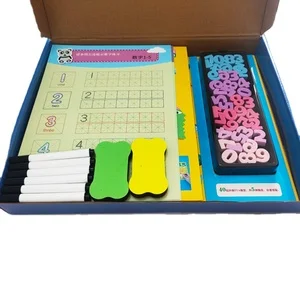
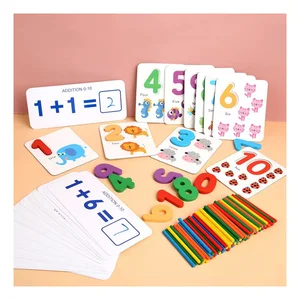
Crucial information regarding custom manufacturing, testing standards, shipping, and supply-chain logistics for the European market.
 Toym Toy