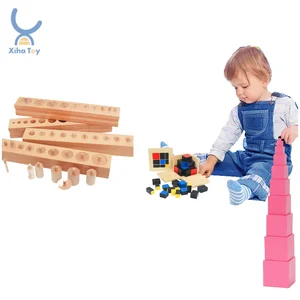
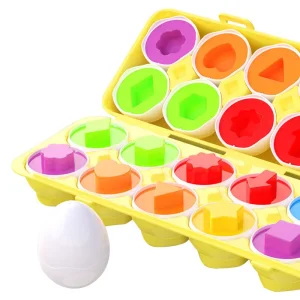
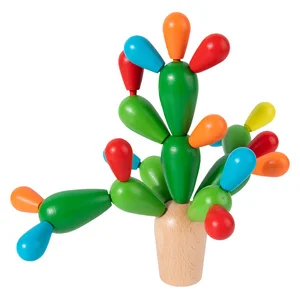
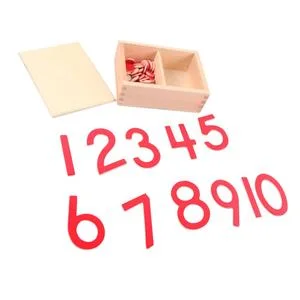
A selective highlight of high-fidelity Montessori equipment engineered for early sensory integration, cognitive structure, and spatial coordination.
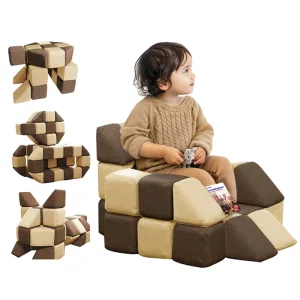
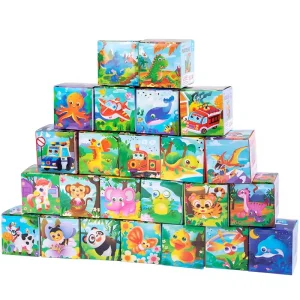
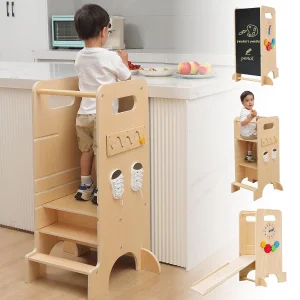
An exhaustive overview of the US and global demand for authentic Montessori equipment.
In the United States, the educational toy sector is undergoing a structural transition. The historical dominance of flashing, electronic plastic toys has steadily declined, yielding market share to natural, open-ended Montessori developmental materials. This shift is driven by a convergence of pediatric research highlighting the role of open-ended play in spatial reasoning, fine motor skill consolidation, and self-directed executive function. Parents, early learning institutions, and educators are prioritizing physical durability and natural tactile experiences.
However, entering and operating within the United States market requires navigating strict regulatory standards. The Consumer Product Safety Commission (CPSC) enforces rigorous safety frameworks, specifically the ASTM F963-17 standard. This standard governs physical hazards (such as small parts hazards and sharp points), heavy metal content, flammability, and mechanical stability. Compliance is non-negotiable. For B2B importers, educational distributors, and specialty retailers, partnering with an experienced manufacturer that understands these standards is essential to managing product liability and brand value.
"The demand for high-integrity wood products in early education classrooms across the United States has grown by over 18% year-over-year, emphasizing the transition toward sustainable, non-toxic sensory environments."
Globally, the Montessori toy industry is valued at billions of dollars, supported by expanding pre-school networks and the widespread adoption of the Montessori method in Western Europe, the Asia-Pacific region, and North America. Beyond basic shapes and puzzles, modern procurement demands align closely with biophilic design principles: using sustainably harvested, FSC-certified hardwoods, non-toxic food-grade silicones, and organic water-based lacquers. Global educational brands are increasingly demanding that suppliers offer traceable carbon footprints and fully audited raw material sources to meet corporate social responsibility (CSR) mandates.
How Dongguan Toym Toy Co., Ltd. combines advanced manufacturing technology with efficient supply chain execution.
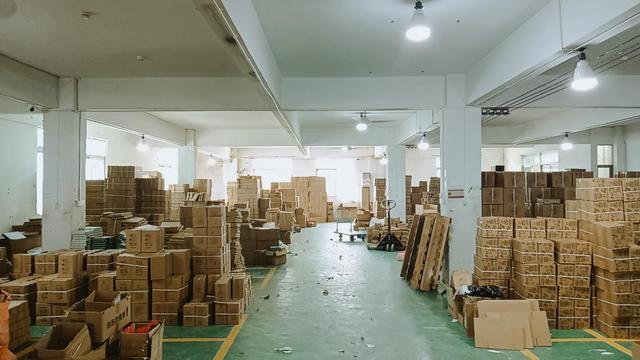
Dongguan Toym Toy Co., Ltd. is a professional manufacturer specializing in educational toys and learning solutions designed to support children's cognitive, creative, and developmental growth. Established in 2013, the company is located in Dongguan, Guangdong Province, one of China's leading centers for toy manufacturing and export. With a modern production facility covering 16,000 square meters and a workforce of more than 200 employees, Toym Toy has built strong capabilities in product development, manufacturing, quality control, and international supply chain management.
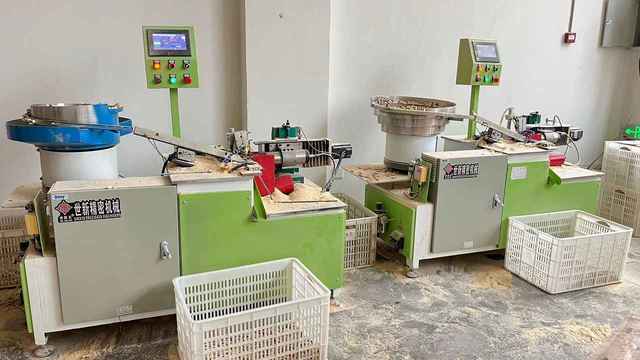
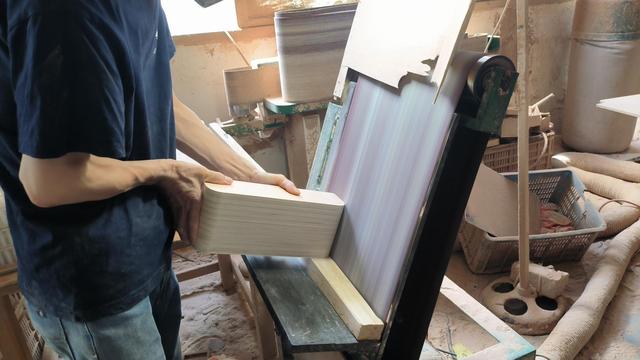
Dongguan's highly integrated supply chain ecosystem allows for rapid prototyping and raw material optimization. This gives global brands a competitive edge, offering efficiency, precision, and scalability that smaller regional workshops struggle to match. At Toym Toy, we utilize advanced multi-axis CNC machinery, high-precision laser routing, automated sanding chambers, and clean-room painting bays to ensure every product meets high standards of dimensional stability and surface finish.
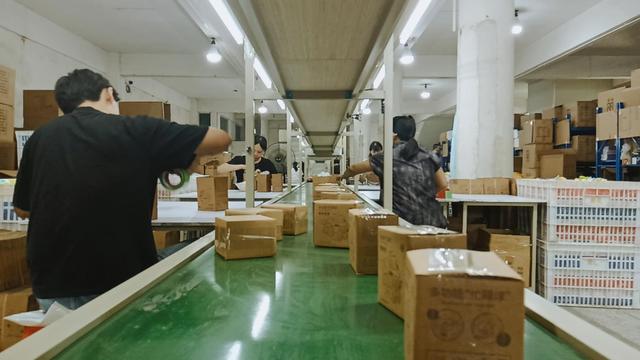
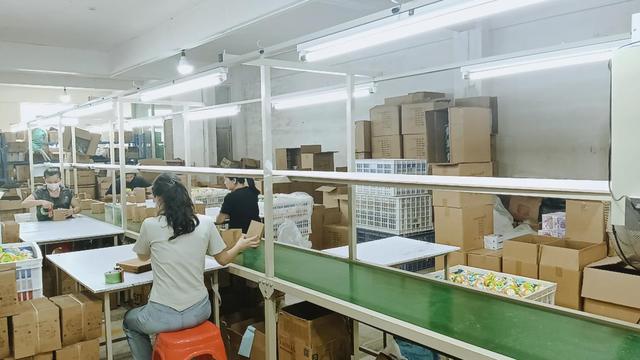
By integrating modern manufacturing technologies, strict quality management systems, and educational design principles, Toym Toy manages the production cycle from start to finish. From concept development and material selection to molding, assembly, and final inspection, every product undergoes comprehensive testing to ensure safety, durability, and consistent quality. The company follows international manufacturing standards and supports compliance requirements for global markets.
High-demand sorting kits, bilingual language boards, and customized early math materials optimized for international wholesale.
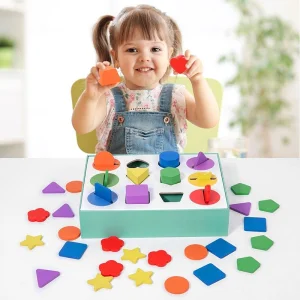
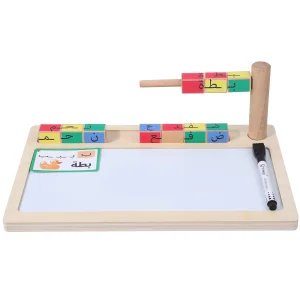
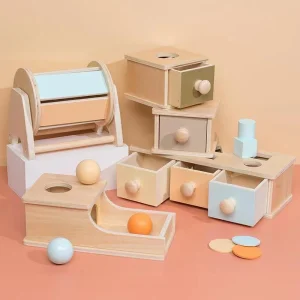
Tailoring educational product design to specific user intents and institutional contexts in the US market.
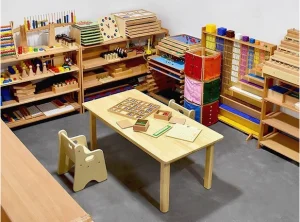
Our structural materials are designed to withstand high-volume, multi-child use in educational settings. Hardwood construction and high-grade finishes prevent chipping, split-outs, and wear in demanding daycare environments.
We provide compact, modular curriculum sets designed for home use. These products deliver classroom-level pedagogical value in versatile configurations suitable for residential spaces.
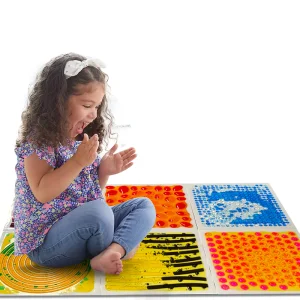
Specifically engineered textured blocks, weighted sensory mats, and physical balancing boards support occupational therapists working on sensory integration, ADHD therapy, and neurodivergent learning programs.
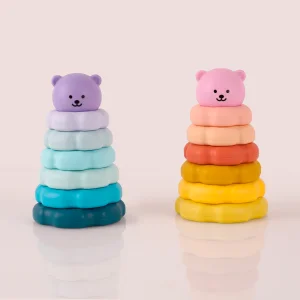
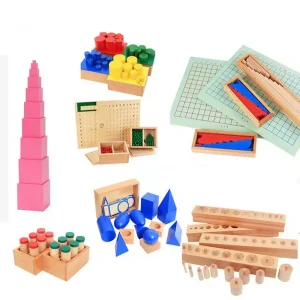
To support child development, toys must isolate a single sensory variable. Our sorting toys, stacking rings, and geometric puzzles are designed to focus on one developmental concept at a time—such as dimension, color gradation, or spatial volume. This design philosophy prevents cognitive overload and encourages the focused concentration that characterizes the Montessori approach.
Strategic directions defining the next decade of developmental play procurement.
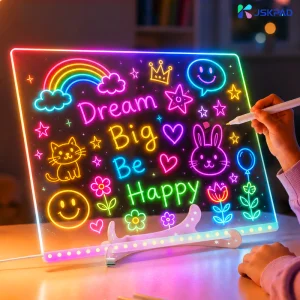
The boundary between tactile and digital play is shifting. Modern B2B buyers are seeking materials that preserve tactile physical engagement while introducing complementary digital elements. For example, our custom USB Type-C LED drawing boards bridge traditional tracing exercises with modern backlighting technology. This design offers a low-fatigue, eye-safe creative tool suitable for classroom settings.
Sustainable wood remains a core standard, but food-grade silicone is increasingly used to complement wooden frames. Silicone components are flexible, easy to sanitize, and offer unique tactile experiences. This combination is especially effective for oral-stage toddlers and sensory training aids.
"Adapting to these shifts requires a manufacturing partner capable of processing mixed materials—including wood, organic silicone, and magnetics—under a unified safety and compliance certification program."
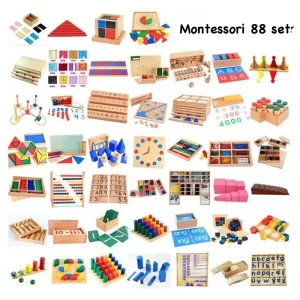
Explore our main selection of Montessori systems, certified for commercial distribution in North American and European markets.
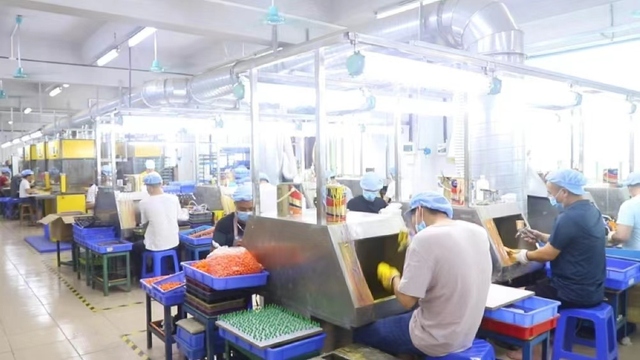
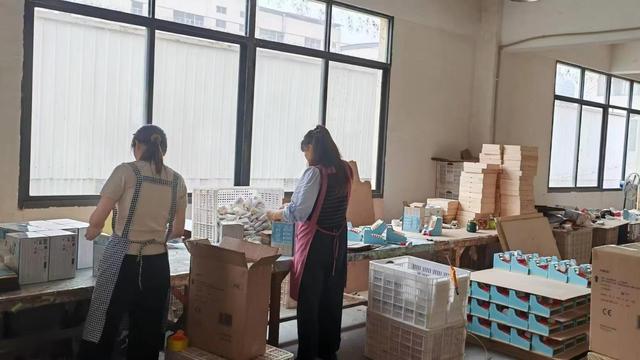
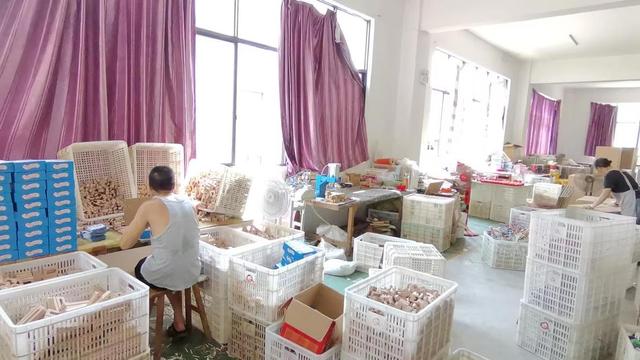
Inside our 16,000 square meter ISO 9001-certified manufacturing facility in Dongguan, China.
To ensure high quality and safety, we maintain control over our manufacturing processes. Below is a look at our workshops, CNC areas, assembly lines, and product testing rooms, where raw timber is processed into high-quality educational materials.
Customization, private labeling, and delivery solutions for North American importers.
Managing an import supply chain requires careful attention to detail. We offer tailored services to help US-based distributors, brand owners, and educational networks streamline their operations:
Key information regarding compliance, manufacturing standards, and B2B ordering for the US market.
Partner with a reliable manufacturer that delivers safety, compliance, and industrial scale to the US market.
Whether you need a custom private-label quote or want to request our updated product catalog, our B2B trade representatives are ready to assist.
 Toym Toy