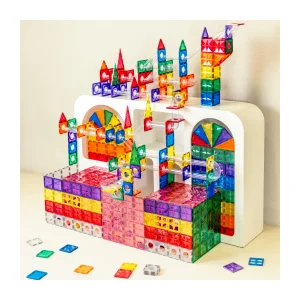
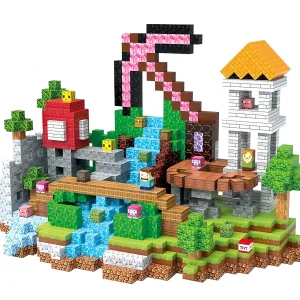
Direct supply line featuring essential mechanics, logic boards, and interactive physical units tailored for localized educational settings.
As a nation comprising 32 atolls and one raised coral island dispersed across 3.5 million square kilometers of ocean, Kiribati faces a unique set of geographic, climate, and infrastructural realities. In recent years, the Ministry of Education of Kiribati has placed heightened emphasis on reforming its curriculum to foster critical thinking, technological familiarity, and scientific literacy. Elevating STEM (Science, Technology, Engineering, and Mathematics) learning from an early age is now recognized as a national priority to prepare the next generation of I-Kiribati youth for challenges relating to marine conservation, climate change mitigation, sustainable engineering, and digital transformation.
Traditional learning models in the Pacific islands are transitioning from rote memorization toward interactive, play-based methodologies. However, sourcing durable, non-toxic, and engaging learning materials remains a logistically demanding endeavor. Classrooms on outer islands like Tabuaeran, Kiritimati, or Nonouti require learning kits that do not depend solely on high-speed internet access or highly complex digital interfaces. Hands-on educational puzzles, DIY hydraulics, structural wooden blocks, and offline electronics systems serve as the perfect bridging mechanisms. They enable students to grasp physical laws, environmental relationships, and basic programming concepts through tactile manipulation.
Tailored to meet the developmental milestones set by Pacific educational authorities and UNESCO guidelines.
Understanding the logistical demands of importing educational equipment into the Central Pacific.
We coordinate sea freight routing from major Southern China ports (Shenzhen/Guangzhou) directly to the Port of Betio in South Tarawa, optimizing transit times and container space utilization.
Kiribati's high relative humidity and salty maritime climate demand materials that do not warp or degrade. Our plastic and wooden materials undergo rigorous environmental chamber aging tests.
All exports conform to international toy safety criteria including EN71, ASTM F963, CPC (Children's Product Certificate), and CE markers, assuring safety for public tenders.
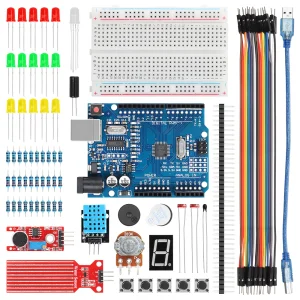
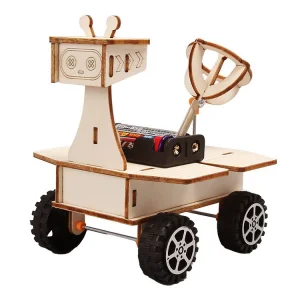
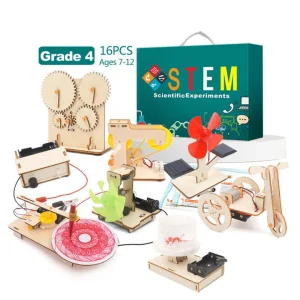
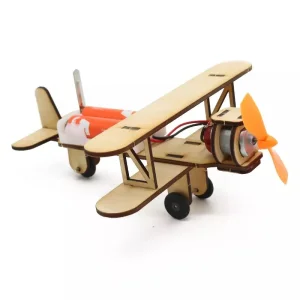
Curated product range focusing on basic kinetics, programming concepts, and structural configuration.
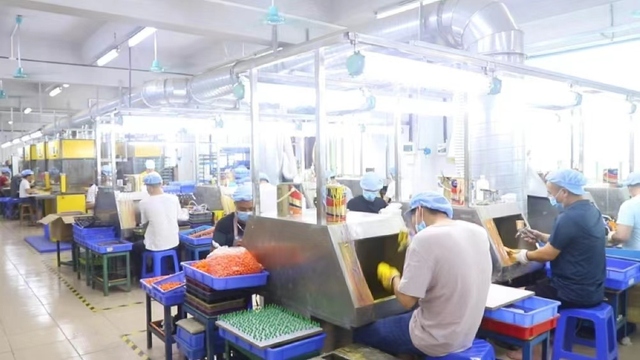
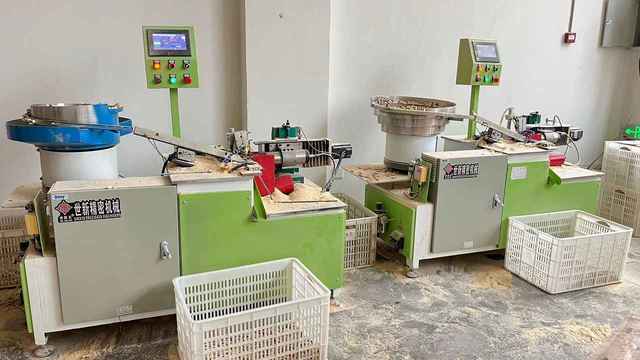
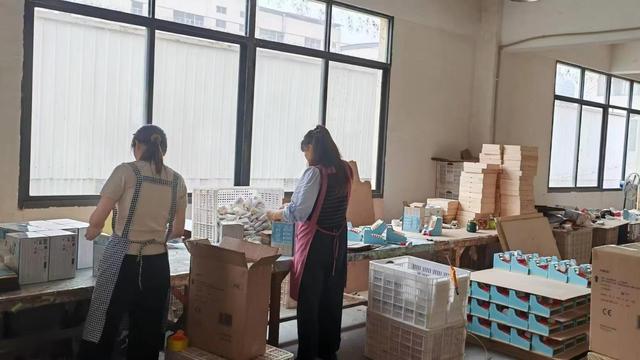
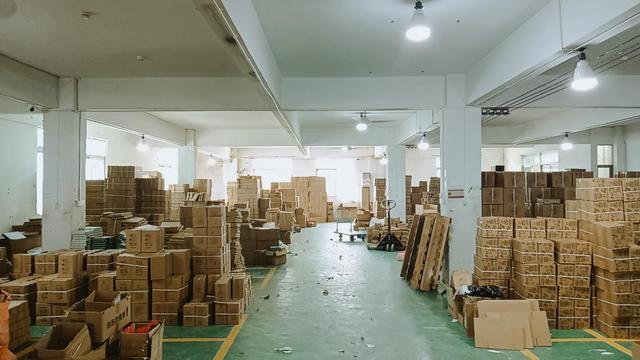
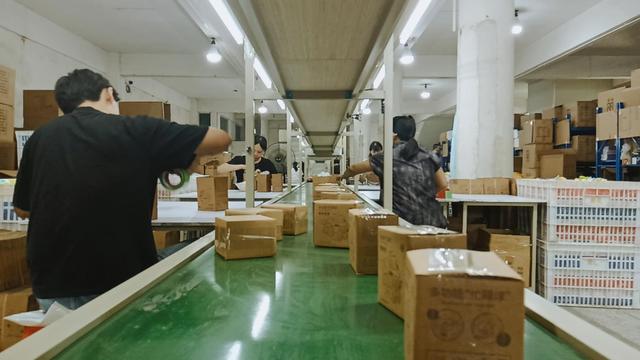
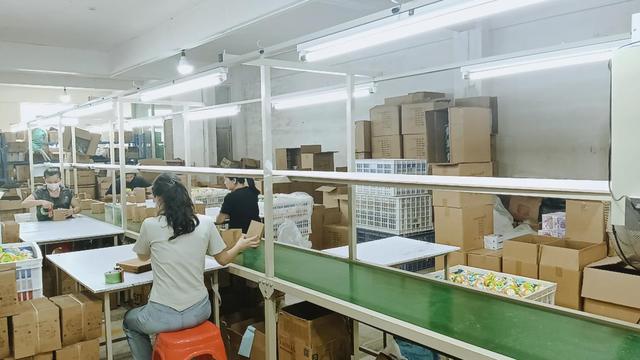
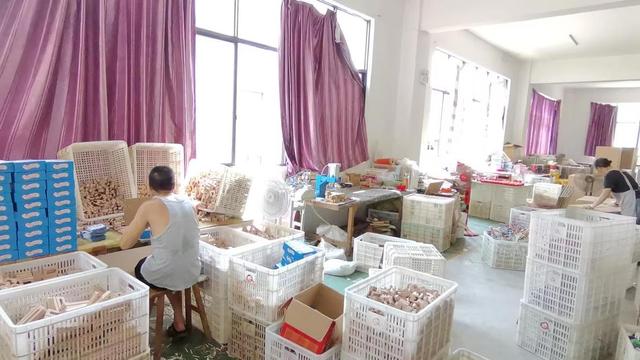
Founded in 2013 in Dongguan, Guangdong Province—the undisputed hub of global toy manufacturing—Dongguan Toym Toy Co., Ltd. has established itself as an industry-leading OEM and ODM partner. Spanning a modern production area of 16,000 square meters, our facilities house high-precision automated plastic injection machinery, dust-free paint rooms, advanced assembly stations, and standard packaging lines managed by over 200 dedicated professionals.
We operate under a full-suite developmental paradigm. This begins with educational conceptualization, where our R&D team analyzes target school curriculums worldwide (including the Pacific Island regional frameworks) to align product functions with developmental outcomes. Our raw materials are strictly screened: we source only food-grade ABS plastics, non-toxic water-based paints, and FSC-certified woods. Our quality assurance lab subjects each batch to heavy metal analysis, drop testing, small parts ingestion hazard checks, and tension metrics, ensuring they easily pass rigorous export clearance requirements for Oceania.
For institutional clients and regional distributors in Kiribati, we offer unparalleled customization. Whether you require local Kiribati-language translations on instruction guides, customized educational packaging reflecting regional ecological designs, or pre-sorted bulk assortments ready for school-by-school distribution across Tarawa, our logistics and OEM wings are structured to accommodate your precise operational constraints.
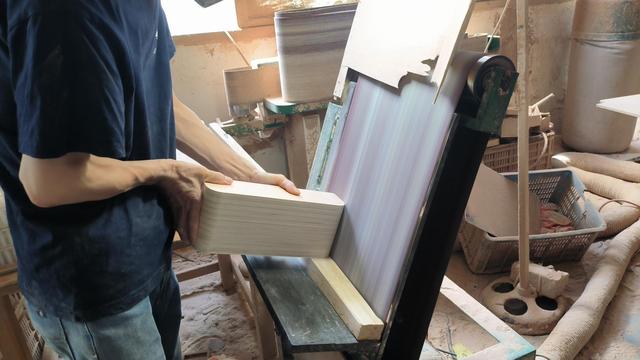
A transparent look inside our 16,000 sqm production center, engineering labs, and packaging floors.
How our learning tools translate into real-world school environments throughout Oceania.
Our Montessori-focused wooden toys and tactile blocks support fine motor coordination and basic shape-number correlations in early childhood learning spaces where digital screen time is highly limited.
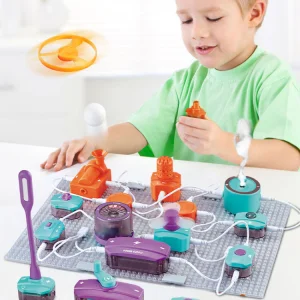
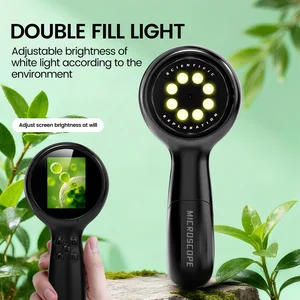
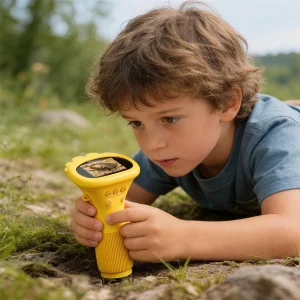
Using our physical electric circuit models and pocket microscopes, children in South Tarawa schools can explore basic physics principles and view cellular structures of marine life, without needing specialized laboratories.
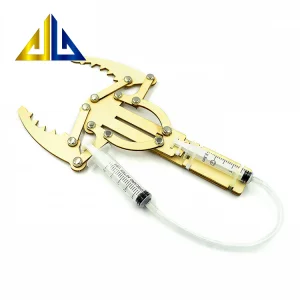
Tactile kits featuring hydraulic structures and mechanical dynamics help educators simulate tidal properties, water pressure physics, and simple tool assembly to encourage environmental problem-solving mindset.
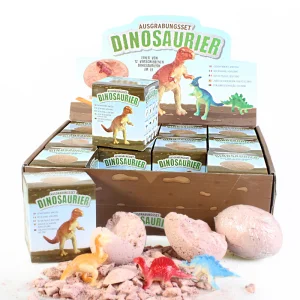
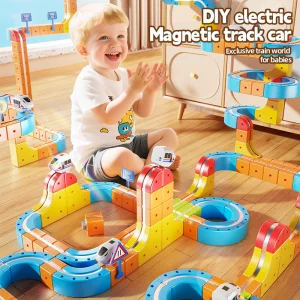
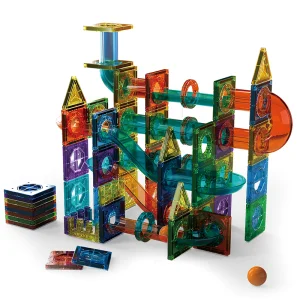
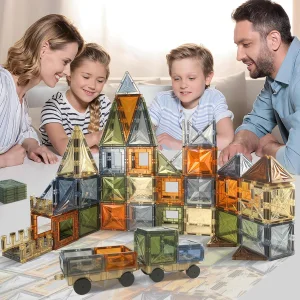
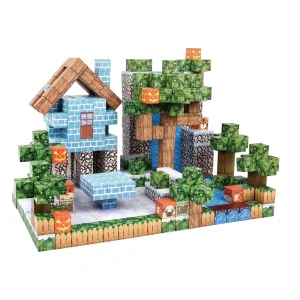
A comprehensive inventory of magnifying systems, spatial architecture toys, and physics apparatus designed for rigorous classroom use.
Addressing core requirements, custom developments, and cargo distribution logistics for Kiribati-based educational projects.
 Toym Toy